


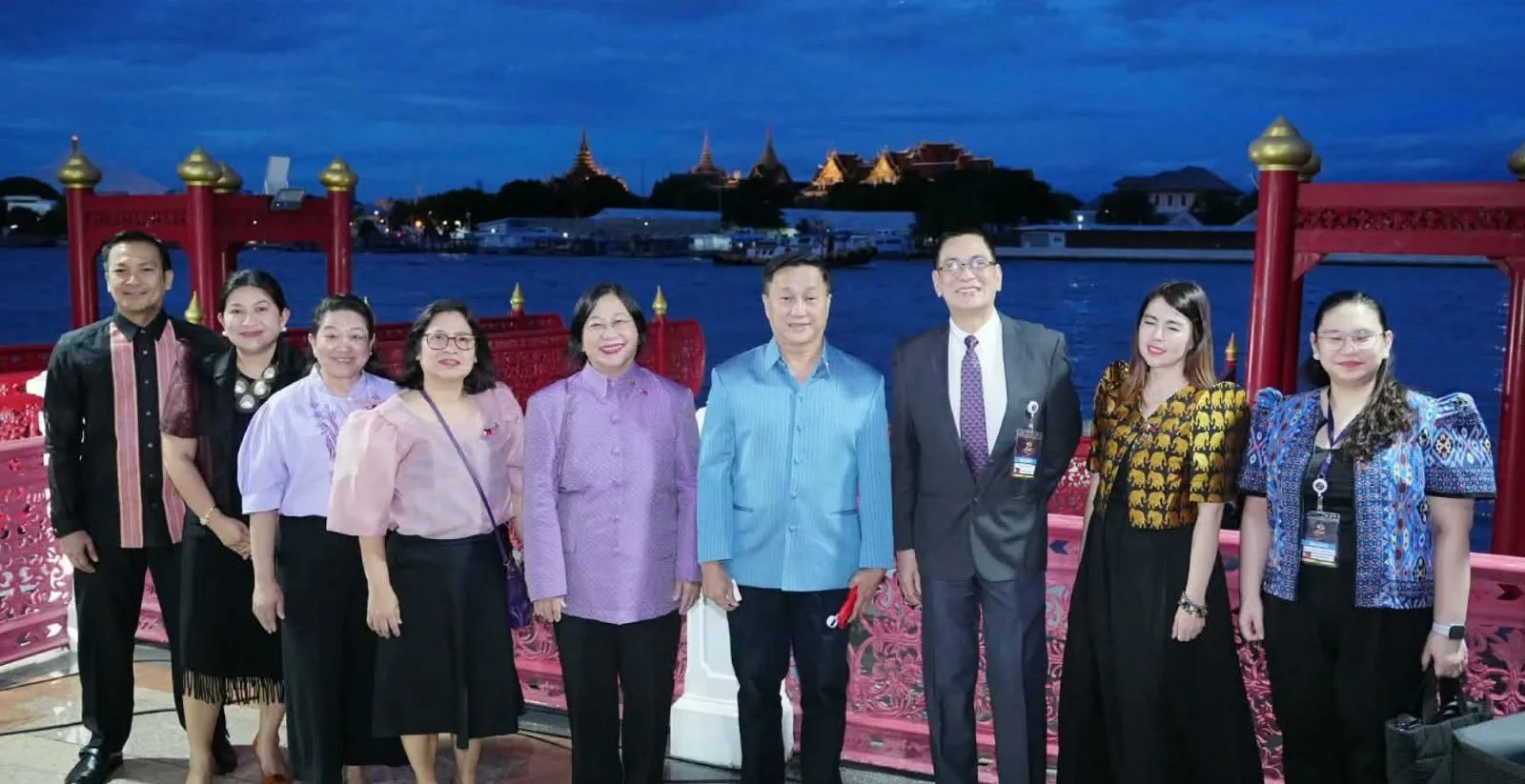
BANGKOK — The 29th ASEAN Labour Ministers Meeting (ALMM) concluded on August 26, 2026, with a strong regional push to make recruitment fairer, skills more portable, and protections stronger for millions of migrant workers. For the Philippines, the outcomes translate into meaningful gains for overseas Filipino workers across Southeast Asia.
A Region United for Worker Protection
Labor ministers from all ASEAN member states gathered in Bangkok under the theme “Advancing ASEAN Human Capital: Skills Certification towards Global Recognition.” The discussions centered on preparing workers for rapid technological change and evolving labor markets. The shared goal is to ensure that no worker is left behind amid the green and digital transitions.
The ministers reaffirmed their commitment to decent work, inclusive employment, and lifelong learning opportunities. These commitments are now anchored in the ASEAN Labour Ministers’ Work Programme 2026–2030. The framework provides a clear roadmap for regional cooperation over the next five years.
Fair Recruitment at the Forefront
A major achievement for the Philippines was the endorsement of the ASEAN Declaration on Fair, Ethical, and Sustainable Recruitment for Empowered Migrant Workers. The Department of Migrant Workers spearheaded the development of this key document. It promotes the prohibition of excessive recruitment fees and the protection of migrant workers from exploitative practices.
The declaration also pushes for non-discrimination and equitable access to opportunities. Enhanced regional cooperation will allow countries to hold recruiters accountable across borders. For Filipino workers, this means stronger safeguards from predatory agents throughout the recruitment process.
Skills Certification for Global Mobility
The meeting placed significant emphasis on skills certification and recognition systems. Credible and transparent certification enhances the employability and mobility of ASEAN workers. Better comparability of qualifications means that Filipino certifications can gain recognition in more countries.
This focus directly benefits skilled workers such as nurses, engineers, and technicians. Their credentials become more portable, opening doors to higher-paying jobs abroad. The ASEAN Qualifications Reference Framework plays a central role in this effort.
Protecting the Most Vulnerable
Ministers reaffirmed their commitment to prevent child labor and eliminate its worst forms. They also advanced guidelines on occupational safety and health in the informal sector and the fishing industry. Migrant fishers, a significant part of the Filipino workforce, are set to receive stronger protections under regional guidelines.
The guidelines address recruitment, placement, and employment in the fishing sector. They encourage international standards of work as a complementary framework. This could mean better conditions and legal protections for Filipino fishers working on foreign vessels.
Crisis Response and Reintegration
The meeting welcomed progress on the ASEAN Declaration on the Protection of Migrant Workers and Family Members in Crisis Situations. The goal is to enable rapid, collective cooperation during emergencies. This includes information sharing, emergency assistance, and safe return mechanisms for workers caught in crises.
Checklists on effective return and reintegration were also highlighted. These practical tools help countries assist workers who are coming home after their contracts end. The focus is on safe, dignified, and sustainable labor migration at every stage.
A Stronger ASEAN Partnership
Timor-Leste was welcomed as the eleventh ASEAN Member State during the meeting. The country will chair the ALMM in 2028. The inclusion expands the scope of regional cooperation and presents new opportunities for Filipino workers.
The Philippines played an active role through Assistant Secretary Levinson C. Alcantara, who represented the DMW. Secretary Francis N. Tolentino of the Department of Labor and Employment headed the Philippine delegation. The country’s leadership in the ACMW ensures that migrant worker concerns remain at the heart of ASEAN discussions.
