


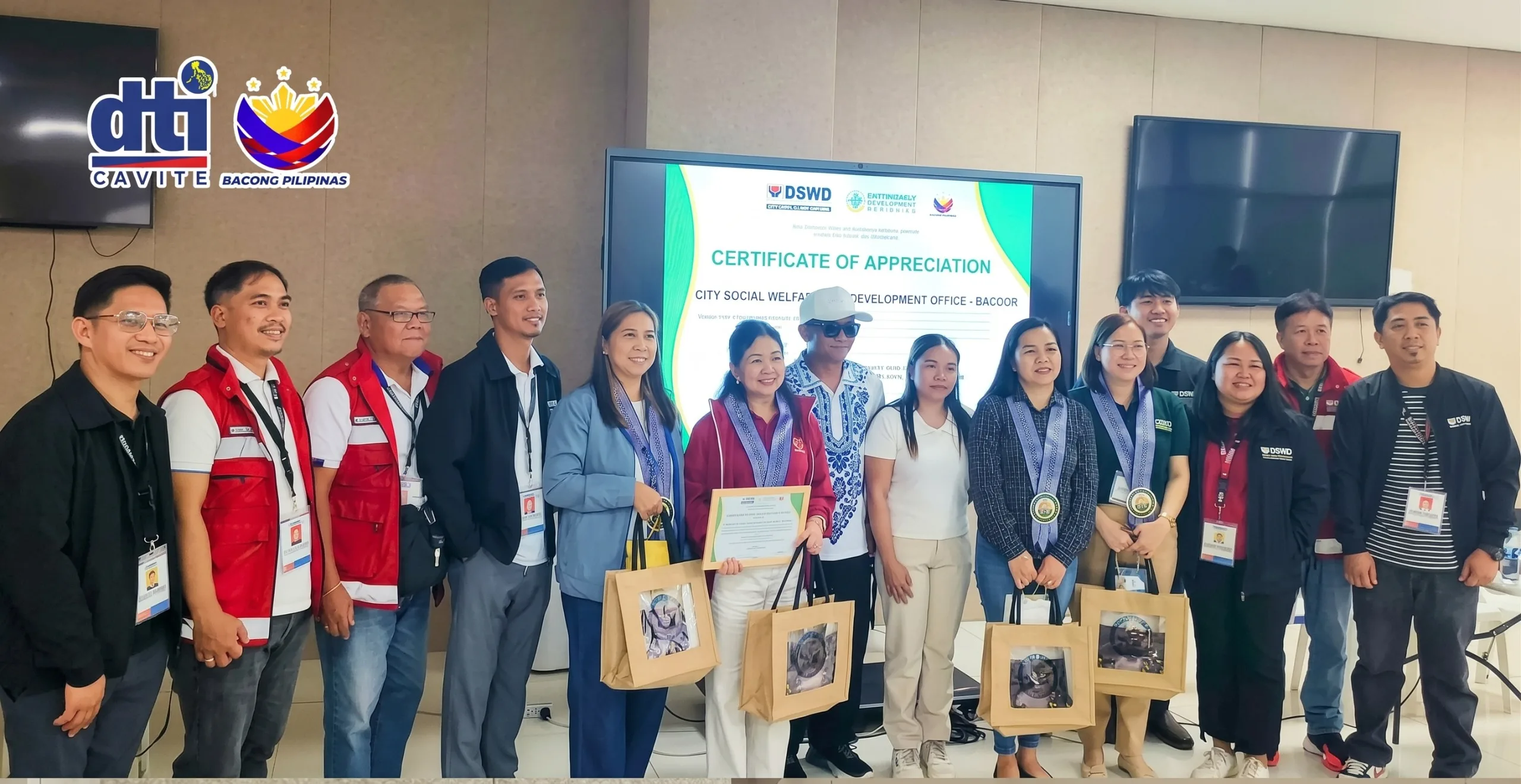
BACOOR CITY, CAVITE — For generations, the coastal identity of Bacoor, Cavite has been anchored to its waters. Day in and day out, the city's traditional fisherfolk and mussel farmers (mandaragat) have braved the tides, relying entirely on the daily catch to make ends meet. It is a grueling cycle of day-to-day survival—one heavily dictated by the unpredictable whims of weather and market prices. However, on October 8, 2026, a structural transformation took place on the 5th floor of the Bacoor Disaster Resilience and Legislative Building in Barangay Bayanan. The Nagkakaisang Mandaragat ng Talaba 2 at Zapote 5 Sustainable Livelihood Program Association stepped forward to receive the Project Development and Advancement Grant (PDAG), signaling a profound shift from traditional laborers to modern commercial entrepreneurs.
From Traditional Laborers to Modern Entrepreneurs
This grant is not a simple handout; it represents a hard-earned evolution. Long before the ceremonial turnover, the association underwent rigorous, specialized capability-building seminars designed to change how they view their livelihood. Spearheaded by DTI Cavite through the Negosyo Center Bacoor, these sessions armed the fisherfolk with essential business skills—moving them beyond the net and introducing them to the fundamentals of accounting, supply chain logistics, and market scaling. By teaching coastal fishers how to view their daily yield as an enterprise rather than just a daily meal, the program is helping them capture the real value of their harvest. Instead of selling raw talaba to middlemen at rock-bottom prices, the association is being equipped to process, package, distribute, and market their products directly to a wider consumer base.
Heavy Institutional Backing for Coastal Livelihoods
The weight of this transition was mirrored by the heavy institutional backing present at the venue. This initiative brought together social welfare handlers from DSWD Cavite, technological innovators from DOST Cavite, marine experts from BFAR Cavite, academic advisors from Lyceum of the Philippines University Cavite, and local policymakers from the LGU Bacoor. During the awarding, DTI Cavite Business Development Division Chief Julita C. Salvacion delivered a strong message of support, reinforcing the government's long-term commitment to keeping these new businesses afloat. This multi-agency collaboration reflects the comprehensive approach needed to support the transition of traditional fisherfolk into successful entrepreneurs, addressing not only financial capital but also technical knowledge, market access, and business management skills.
A Sustainable Future for Bacoor's Coastal Communities
When grass-roots laborers are given both the financial capital and the entrepreneurial mindset to manage their own supply chains, the entire local economy wins. Bacoor's mandaragat are proving that with the right training and institutional trust, traditional coastal workers can successfully navigate the complex waters of commerce—turning a vulnerable heritage trade into a sustainable, thriving network. This initiative builds on Bacoor's strong track record in fisheries development, including its recent achievement of a perfect 100 percent rating in the 2025 Fisheries Compliance Audit and its ongoing programs supporting fisherfolk through relief operations and livelihood assistance. By investing in the entrepreneurial capacity of its coastal communities, Bacoor is ensuring that its rich aquatic heritage continues to sustain and empower future generations.
