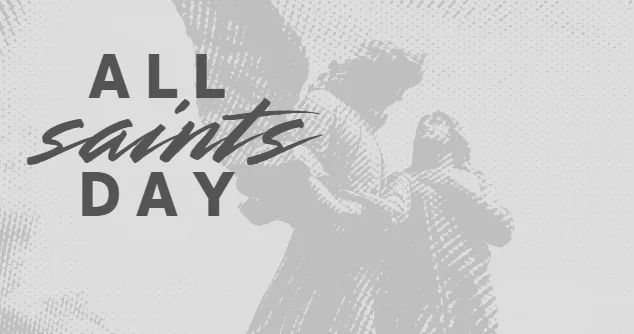
CARAGA REGION — All Saints' Day, observed every November 1, is one of the most significant dates on the Philippine calendar, a day set aside to honor the saints and to remember the faithful departed. In the Caraga Region, the occasion is marked with the same devotion found elsewhere in the country, as families return to their hometowns and gather at cemeteries where generations of relatives are buried. The day is both a religious observance and a cultural homecoming, drawing people back to places they may not visit at any other time of year. Its importance lies not only in the prayers offered but in the connections it restores among the living.
A Day Built on Remembrance and Family
The core of the observance is remembrance, and remembrance in the Filipino context is rarely a solitary act. Families arrive at graves with flowers, candles, and food, cleaning and repainting tombs in preparation for the visits that peak on November 1. They spend hours at the cemetery, not in silence but in conversation, sharing meals on benches and telling stories about the relatives they have lost. For younger family members, these visits are where names and histories are passed down, turning genealogy into something lived rather than documented. The observance thus serves a function that no other holiday quite replicates: it makes memory a shared, physical practice.
Faith and the Promise of Continuity
Beyond family, the day carries a spiritual weight that anchors Filipino attitudes toward death. All Saints' Day honors those who have attained heaven, and the lighting of candles and the recitation of prayers at graves are acts of faith that connect the living to a larger community of believers. The observance reflects the Catholic doctrine of the communion of saints, which holds that the living and the departed remain united in one spiritual family. That belief gives the holiday its consoling character, framing death not as severance but as a change in relationship. For many Caraganons, the day is a reminder that faith is practiced not only in churches but at the gravesides of those who came before.