


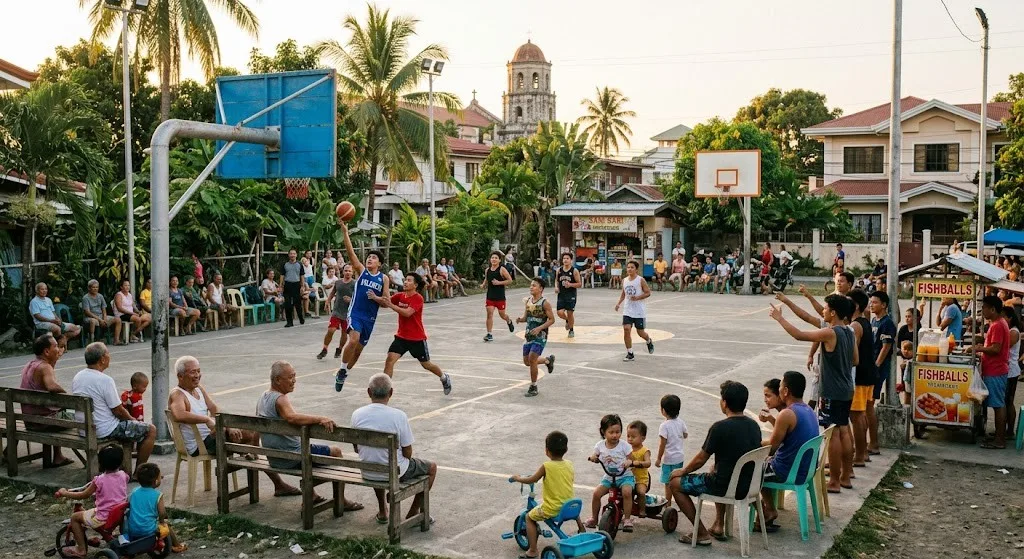
Dumaguete City is known for its educational institutions, cultural attractions, coastal environment, and close-knit communities. Beyond its traditional tourism attractions, the city also has everyday recreational spaces that reflect the lifestyle and interests of its residents. Among these are community basketball courts, which can be found in neighborhoods, barangays, schools, and public areas. These courts serve as more than places for sports; they function as gathering spaces where residents interact, build friendships, develop athletic skills, and participate in community activities. Through their social and recreational importance, community basketball courts contribute to the development of grassroots sports culture in Dumaguete City.
Understanding Grassroots Sports Culture
Grassroots sports refer to athletic activities organized and participated in at the community level rather than exclusively through professional or elite competitions. Basketball is particularly significant in the Philippines because it is accessible to people of different ages and skill levels. In Dumaguete City, neighborhood courts provide spaces where children, teenagers, young adults, and older residents can participate in informal games, training sessions, and local tournaments. These activities help make sports an important part of everyday community life.
Creating Accessible Recreational Spaces
Community basketball courts provide affordable and accessible opportunities for physical activity. Unlike commercial recreational facilities that may require membership fees, public and neighborhood courts allow residents to participate with minimal expense. This accessibility encourages more people to become physically active and gives young residents opportunities to develop their skills regardless of their economic background.
Strengthening Community Connections
Basketball courts often function as social spaces where residents meet and interact. Friendly games, neighborhood competitions, and informal gatherings create opportunities for people from different backgrounds to build relationships. These interactions strengthen community connections and create a greater sense of belonging among residents.
