


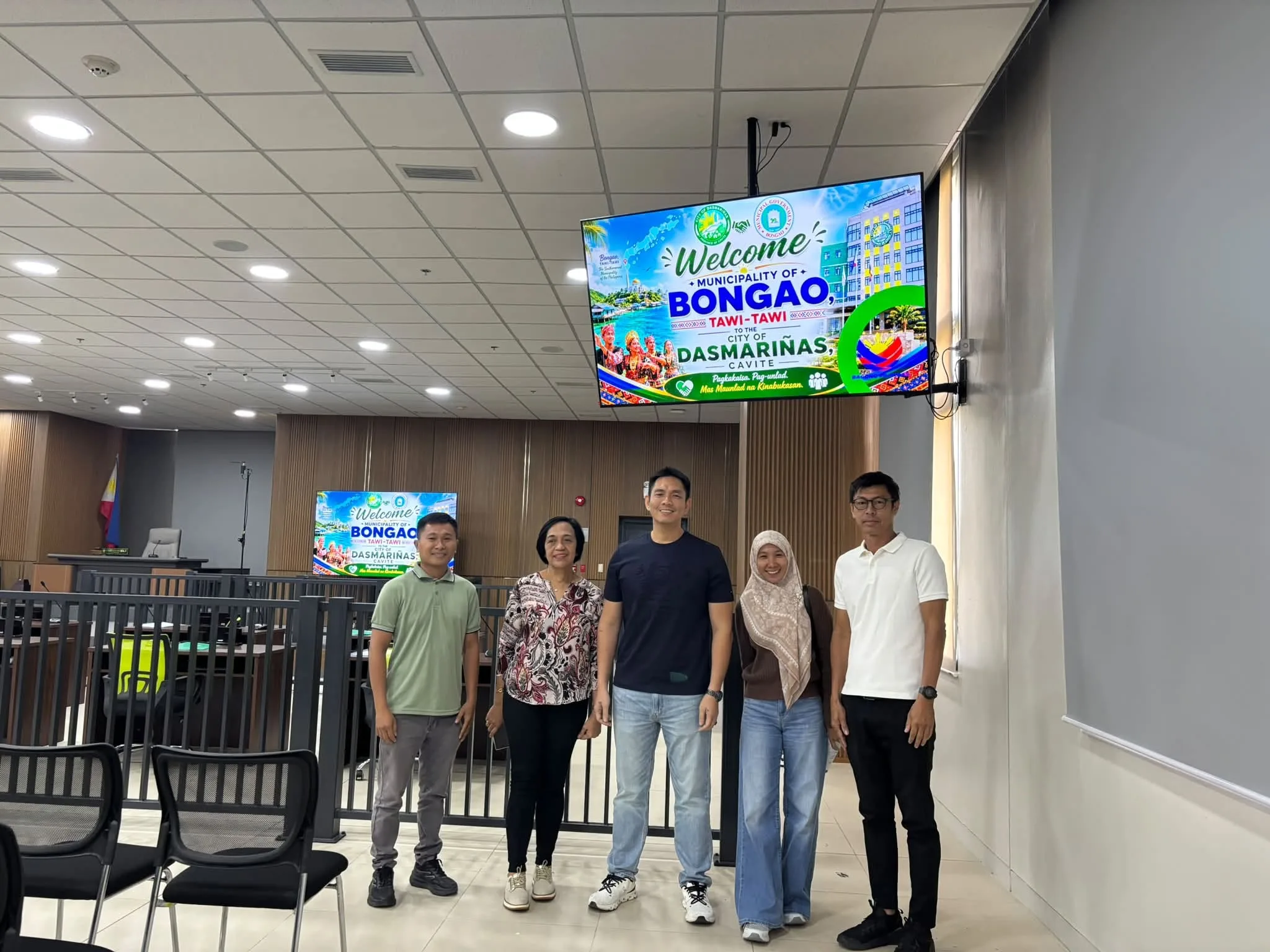
The Municipality of Bongao conducted a benchmarking visit to the City Government of Dasmariñas, Cavite to study their bioconversion facility, waste segregation practices, and local infrastructure projects. Led by Mayor Jasper Que, the delegation explored how Dasmariñas processes biodegradable waste into organic compost. The visit reflects a growing interest among LGUs in adopting sustainable waste management technologies.
Bioconversion and Waste Segregation Practices
The main focus of the benchmarking visit was Dasmariñas' bioconversion facility, a system that processes biodegradable waste from markets and households into organic compost. Bioconversion facilities typically use bioreactors to treat organic materials like food scraps and fish waste, converting them into valuable agricultural inputs such as compost or biogas. These systems help reduce the volume of waste sent to landfills while producing soil-enriching materials that support local agriculture and food production. By implementing such technologies, LGUs can reduce waste management costs, extend landfill lifespan, and create economic opportunities through the sale of organic fertilizers. This aligns with national laws like the Ecological Solid Waste Management Act (RA 9003), which mandates LGUs to establish materials recovery facilities and promote composting programs.
The delegation also explored Dasmariñas' waste segregation practices. Proper segregation at the household and barangay level ensures that biodegradable waste is separated from recyclables and residual waste, allowing for more efficient processing and higher-quality compost. This is an essential component of any successful bioconversion program, as contamination from non-biodegradable materials can compromise the quality of the final product.
Local Government Engagement and Infrastructure Study
During their visit, the Bongao delegation was welcomed by Dasmariñas Acting Mayor Rudy Lara and other city department heads for an orientation on the city's solid waste management programs and infrastructure projects. The city of Dasmariñas has positioned itself as a model for sustainable urban development, recognized for its efforts in waste reduction, environmental management, and community engagement. The benchmarking visit included an inspection of notable city development projects, providing the Bongao officials with practical planning ideas that could be adapted to their own municipality.
Bongao, the capital of Tawi-Tawi, is a coastal municipality with a population of over 131,000. While the town is rich in cultural heritage and natural resources, it faces challenges common to many rapidly growing local governments, including solid waste management and infrastructure development. The knowledge gained from Dasmariñas' waste management system and infrastructure practices will help Bongao strengthen its own local programs and improve the delivery of public services.
