


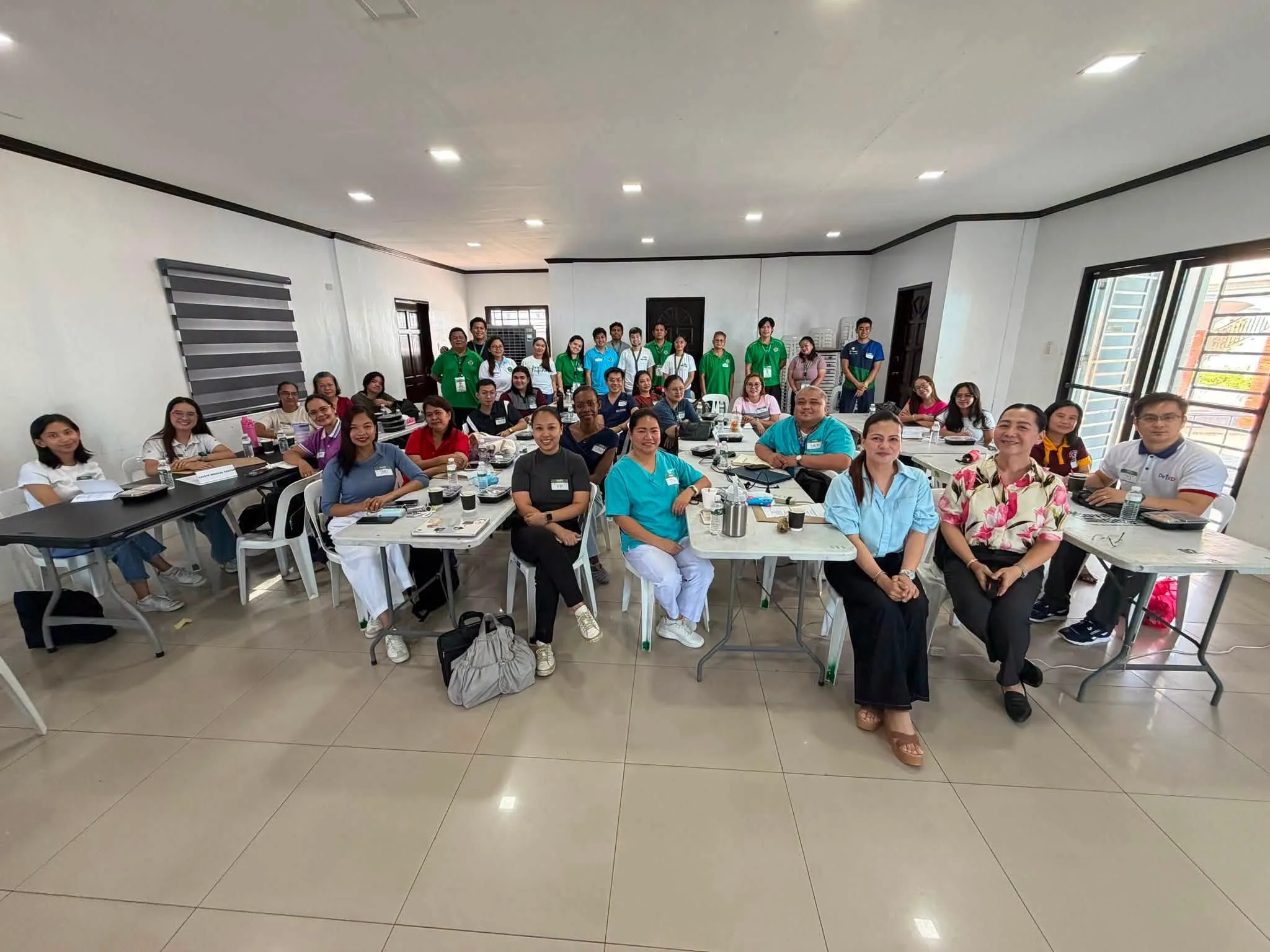
The PIDSR re-orientation led by Councilor Maureen "Mau" Lu and Dr. Jeff dela Rosa equips Cavite City health workers with updated tools to detect, track, and respond to community illnesses. This training is part of Mayor Denver Chua's broader initiative to elevate local healthcare delivery and safeguard public health across the city.
What is PIDSR and Why It Matters
The Philippine Integrated Disease Surveillance and Response (PIDSR) is the Department of Health's system for monitoring notifiable diseases across the country. It provides health workers with a standardized framework for detecting outbreaks early, tracking disease patterns, and mounting appropriate responses to protect communities from infectious diseases. By equipping local health personnel with updated knowledge and tools, the re-orientation ensures that Cavite City remains prepared to identify and contain health threats before they escalate.
Cavite has historically faced challenges with communicable diseases, with dengue being a significant concern. Studies have shown that dengue cases in the province have been associated with densely populated areas, with severe cases more likely among individuals aged 19 and below and females. This makes proper disease surveillance critical for early detection and response in communities like Cavite City.
A Broader Commitment to Public Health
The PIDSR re-orientation is one component of Mayor Denver Chua's comprehensive health agenda for Cavite City. His administration has announced top legacy projects that include an Unlad Mobile Clinic to bring healthcare to underserved areas, as well as improvements at the city hospital to reduce the need for residents to seek medical services outside Cavite City.
Earlier this year, the city government also led a flu vaccination drive for residents at Montano Hall. The city health office has also been facilitating PhilHealth registration and promoting free consultations, medicines, and laboratory services. The PIDSR re-orientation builds on these efforts by strengthening the frontline defense against community illnesses, ensuring that health workers have the skills to detect, track, and respond effectively.
