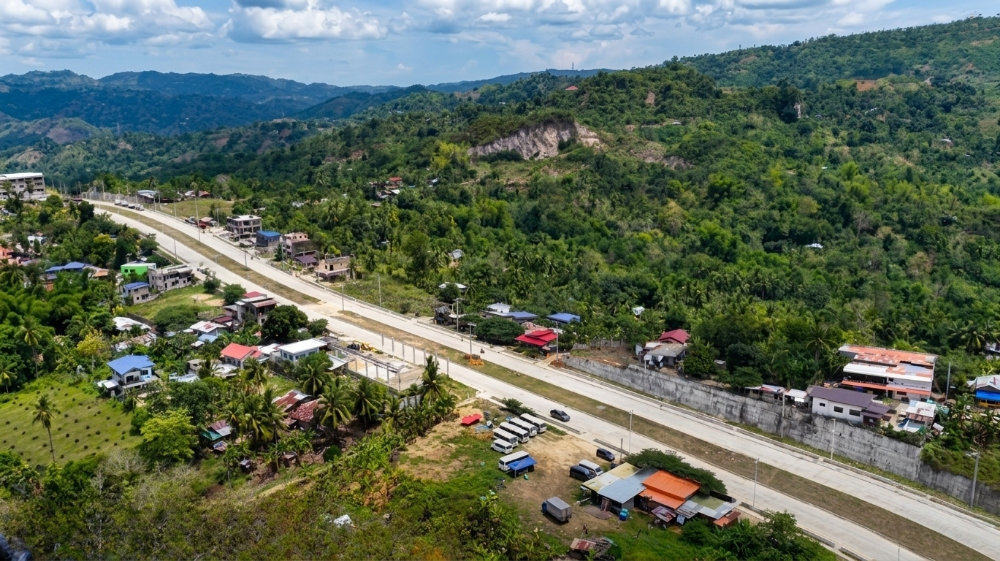
Cebu — The landscape of Naga City is undergoing a significant transformation as the highly anticipated Metro Cebu Expressway (MCE) Segment 3A nears its final stages of construction. This 4.55-kilometer corridor, which spans from Barangay Pangdan to Barangay Cantao-an, is a flagship infrastructure project designed to alleviate traffic congestion and improve the daily commute for thousands of residents. During a recent site inspection on June 22, 2026, local residents and leaders voiced their optimism, noting that the project represents a vital bridge between residential life and industrial opportunities. With the July 2026 completion target firmly in sight, the focus is now on finalizing the drainage and slope stabilization works that will ensure the road's long-term safety.
Engineering for a Faster Commute
The MCE Segment 3A is more than just a road; it is a critical artery intended to reduce the travel time from Naga City to N. Bacalso Avenue from the current 35 minutes to a mere 15 minutes. By incorporating a four-lane design complete with modern drainage and environmental protections, the project is built to handle the heavy demands of both commuters and the transport of industrial goods. The Department of Public Works and Highways has worked to integrate these features to ensure the road remains reliable even during the region's intense weather cycles. Once opened, it will fundamentally shift the mobility landscape of southern Cebu, allowing for smoother and more predictable travel across the metro.
Community Impact and Local Growth
For the residents of Naga City, the expressway is a symbol of progress that directly impacts their quality of life. Purok leaders and local families who have lived along the corridor for decades expressed gratitude for a project that finally addresses the long-standing challenges of rugged, underdeveloped access roads. The improved infrastructure is expected to attract more businesses to the area, creating localized jobs and reducing the need for residents to travel long distances for employment. It serves as a prime example of how targeted government infrastructure can catalyze economic activity while simultaneously solving practical community hurdles.
A Future-Ready Southern Cebu
The completion of this segment is part of a larger, long-term administration strategy to upgrade connectivity in highly urbanized regions. Officials emphasized that opening bypass roads and highways is the most effective way to stimulate regional trade and support the growing workforce in Cebu’s industrial zones. As the July deadline approaches, the project serves as a cornerstone for Cebu’s broader development goals, demonstrating that the province is actively investing in the physical structures needed for future prosperity. This commitment to finishing the expressway on time underscores the region's focus on maintaining its competitive edge as a major economic powerhouse in the Visayas.