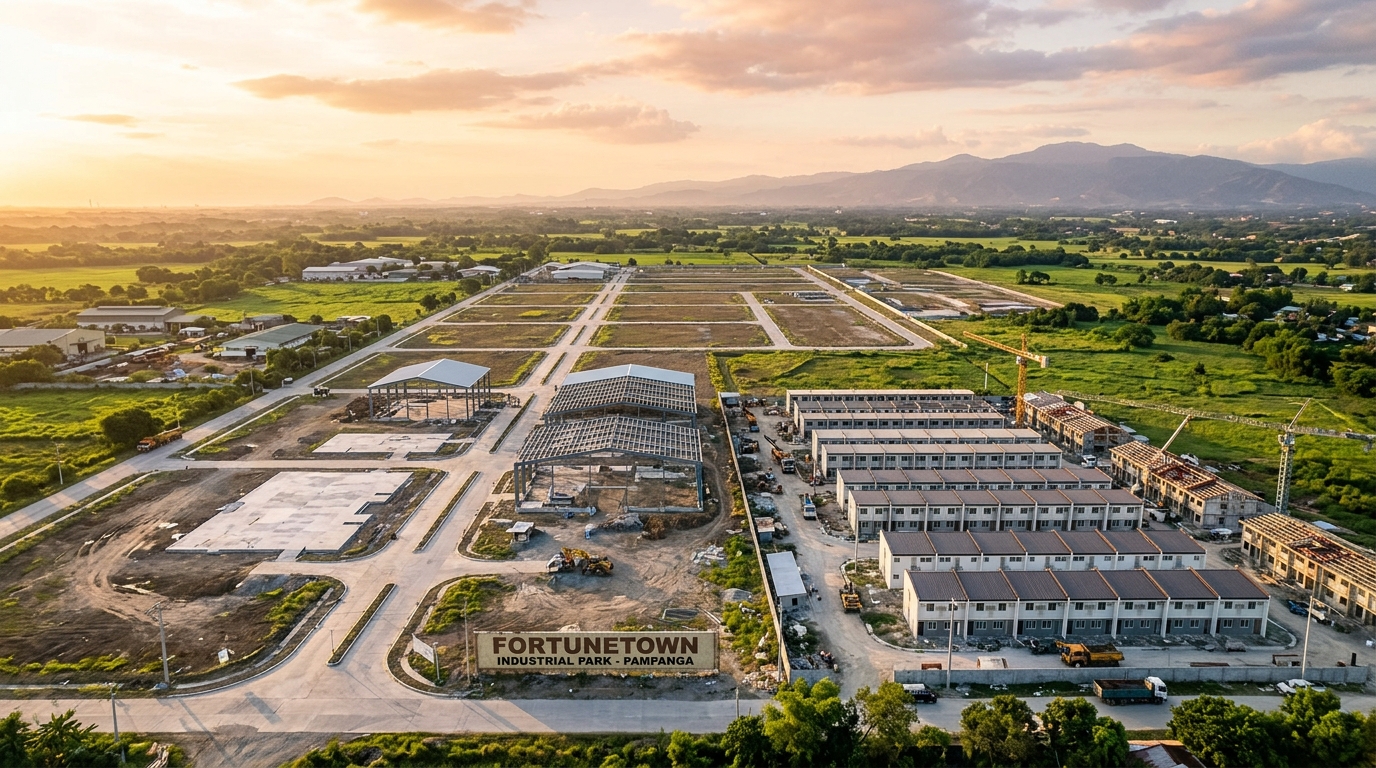
Clark Freeport's strategic infrastructure and business-friendly policies are drawing major international investors, from aerospace leaders to manufacturing giants, generating thousands of employment opportunities for Kapampangans.
Global Aerospace Giants Bet Big on Clark
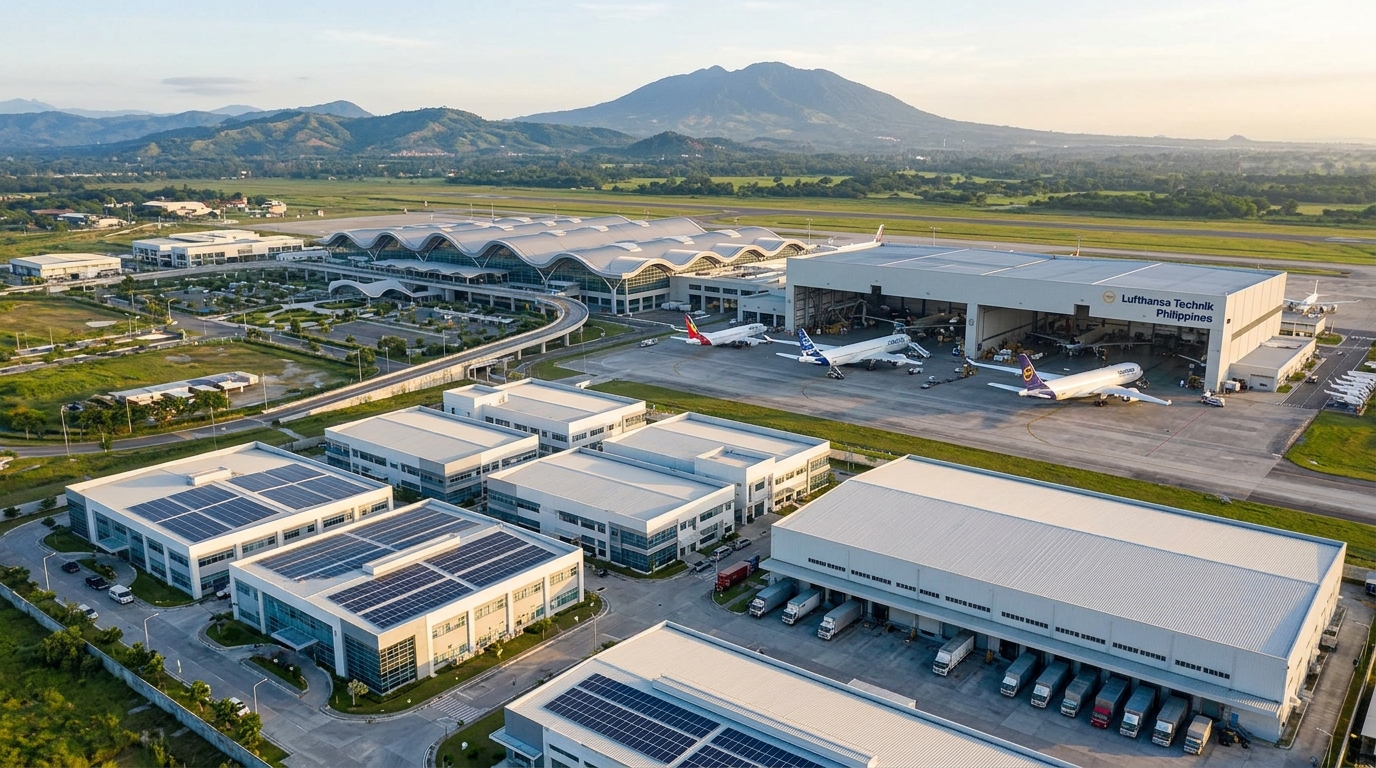
Clark's emergence as a premier aviation and aerospace hub has received a massive vote of confidence from industry leaders. Lufthansa Technik Philippines is establishing a second base maintenance facility at Clark International Airport, occupying a 157,000-square-meter site with capacity for up to nine wide-body aircraft. The facility, which begins operations in 2028, is expected to generate approximately 1,200 skilled jobs, complementing the company's long-standing Manila operations . Just days earlier, Boeing supplier Heatcon Asia Inc. finalized a 25-year lease agreement with the Clark International Airport Corporation to set up a manufacturing and composite repair facility within the Clark Civil Aviation Complex . CIAC President Jojit Alcazar emphasized that these partnerships demonstrate Clark's readiness to support the growing demands of the global aerospace industry while advancing the vision of developing Clark into a premier aviation capital.
Manufacturing and Tourism Investments Fuel Growth
Beyond aerospace, Clark is attracting diverse industries that promise substantial employment for locals. Clark Development Corporation has entered 2026 with roughly 30 investment projects in the pipeline, including a $200-million export-oriented manufacturing facility by a Japanese company to produce Pokémon plush toys for global markets, expected to generate around 6,000 jobs . The semiconductor industry remains the backbone of Clark's export sector, with Samsung's SFA Semicon accounting for about 80 percent of total exports. Tourism is also flourishing, with Korean investors backing a P4-billion integrated development featuring a 27-hole golf course, luxury villas, and a five-star hotel . The Clark Freeport currently hosts more than 1,250 locators employing approximately 151,140 workers . The Business Interdependence System, launched by CDC, has already driven P4.55 billion in internal trade among locators, creating a self-sustaining economic ecosystem within the zone .