


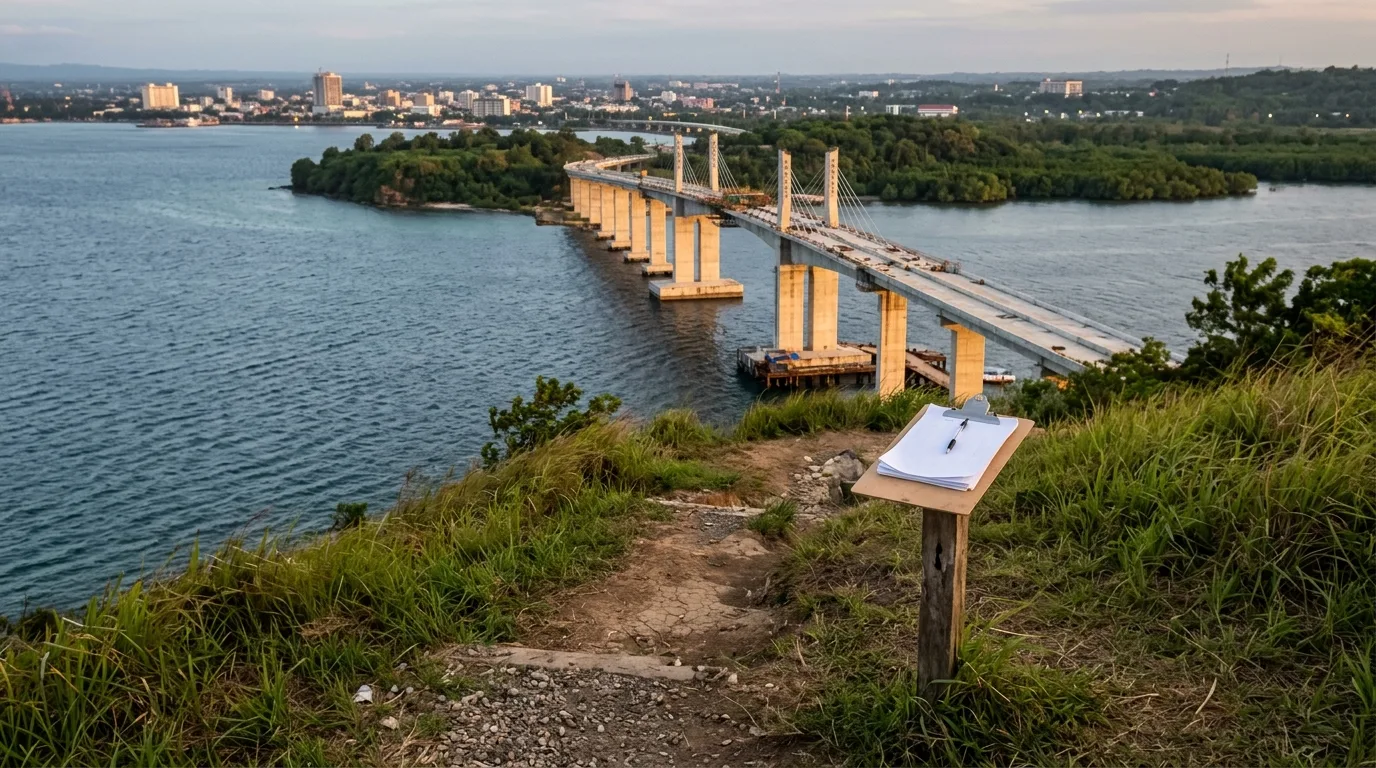
Davao — The Samal-Davao Bridge and Davao City’s sanitary landfill recently became the unconventional "laboratories" for a new generation of reporters. As part of MindaNews’ second Climate Reporting Workshop held from July 10 to 13, 2026, student journalists from across Mindanao moved beyond the classroom to engage in firsthand investigative reporting on two of the region's most controversial infrastructure and environmental projects. By interviewing stakeholders and residents directly, these participants gained practical experience in navigating complex narratives where environmental concerns, infrastructure development, and community welfare often collide.
Bridging Science and Community Reporting
Before stepping into the field, the student journalists were grounded in the MindaNews Climate Reporting Toolkit, which emphasizes five core elements: signal, impact, evidence, governance, and audience. Experts, including environmental lawyer Mark Peñalver, provided crucial context on the projects, highlighting how the Samal-Davao Bridge’s current alignment has raised significant concerns regarding marine ecosystem damage, particularly to coral reefs. This background preparation proved essential as students faced the challenge of balancing official project narratives with the lived realities of local residents and the scientific evidence presented by environmental advocates. Through these interviews, students learned to spot story angles that often get buried under technical project details, such as the social and economic implications for coastal communities.
Facing the Reality of Waste and Safety
The Davao City sanitary landfill in Barangay New Carmen provided a starkly different, yet equally urgent, lesson in investigative journalism. The site, which made headlines earlier this year following a tragic trash slide that claimed two lives, served as a grim reminder of the high stakes involved in climate and waste management reporting. Participants explored the challenges of interviewing residents near the site, some of whom were hesitant to speak, and learned the importance of sensitivity when covering vulnerable communities. This hands-on experience forced students to confront the "reality" of reporting on indigenous communities and the immediate dangers associated with local governance failures, moving them toward more responsible and community-centered storytelling.
Building a Sustainable Future for Mindanao Journalism
This workshop is a flagship component of the three-year "Media Impact Philippines" project, a collaborative effort implemented by MindaNews and the Mindanao Institute of Journalism (MIJ) with support from international partners, including the European Union and the Danish International Development Agency (DANIDA). By focusing on Mindanao—one of the country's most climate-vulnerable regions—the initiative aims to fill critical gaps in science literacy and reporting capacity among local journalists. The goal is to cultivate a network of reporters who can bridge the gap between complex climate science and the public’s need for clear, accurate, and ethical information. As these student journalists prepare to publish their outputs, they are not only documenting current events but also helping to shape a more informed and engaged public discourse on Mindanao’s environmental future.
No people
