


Bringing Local History Beyond Textbooks
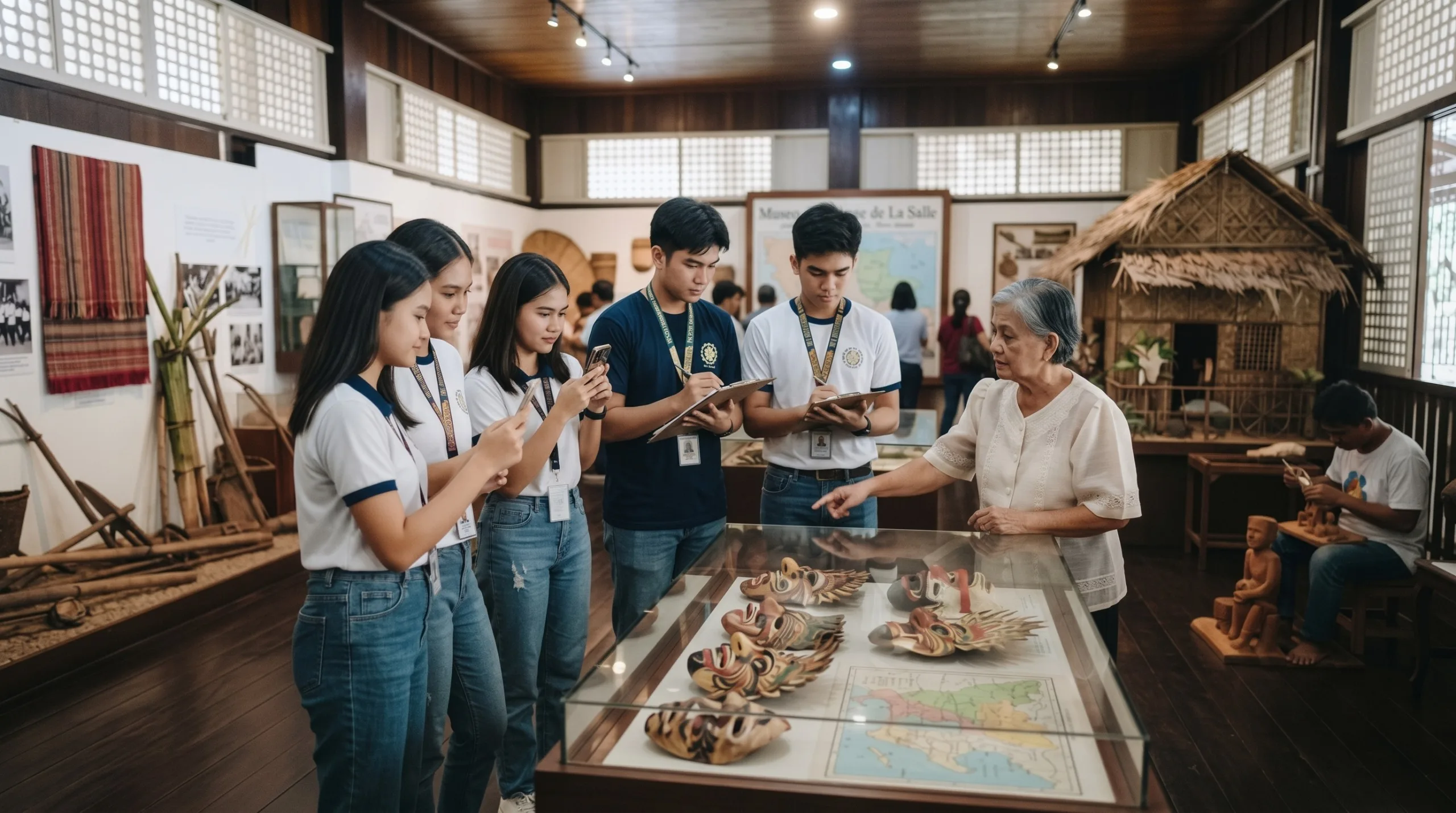
BACOLOD - Community museums can introduce students to stories that may not receive much attention in standard classroom lessons. The Negros Museum along Gatuslao Street in Bacolod City, for example, presents local history, art, culture, and ecological themes through exhibits and educational programs. Its Panakayon sa Negros Museum initiative has offered interactive tours and activities designed to help students explore Negrense heritage. Teachers can build on these experiences by asking learners to observe historical objects, identify changes in everyday life, and discuss how local communities developed over time. The lessons can continue outdoors through supervised heritage walks, visits to historic buildings, and observation activities around nearby public spaces, helping students connect museum displays with the living environment around them.
Turning Heritage Sites Into Learning Spaces
Historic locations across Negros Occidental can complement museum visits by allowing students to observe architecture, settlement patterns, and cultural traditions in their original settings. In Silay City, the Balay Negrense Museum offers a glimpse into the lifestyle and domestic architecture associated with the province's sugar-era history. Students can compare the house's design with modern homes, examine how building materials and room arrangements reflect different periods, and discuss how heritage structures are preserved. Outdoor learning activities might include sketching architectural details, recording observations in field journals, interviewing approved community resource persons, or mapping nearby heritage buildings. These activities should be coordinated with site administrators and designed around age-appropriate learning objectives, visitor safety, and respect for cultural property.
Helping Young People Become Heritage Stewards
Community museums can also encourage students to take an active role in preserving local identity. Schools can collaborate with museum staff, local historians, artists, environmental groups, and barangay organizations to develop storytelling sessions, art workshops, oral-history projects, and neighborhood heritage walks. Students might document traditional crafts, learn about the significance of local celebrations, or investigate how changes in land use affect historic places. These projects can develop research, communication, observation, and critical-thinking skills while encouraging respect for different generations and experiences. By treating museums and nearby heritage areas as learning partners, communities can help young people recognize that history is not limited to dates and textbook chapters. It is also found in buildings, objects, traditions, and the memories shared by people who call Negros home.
