


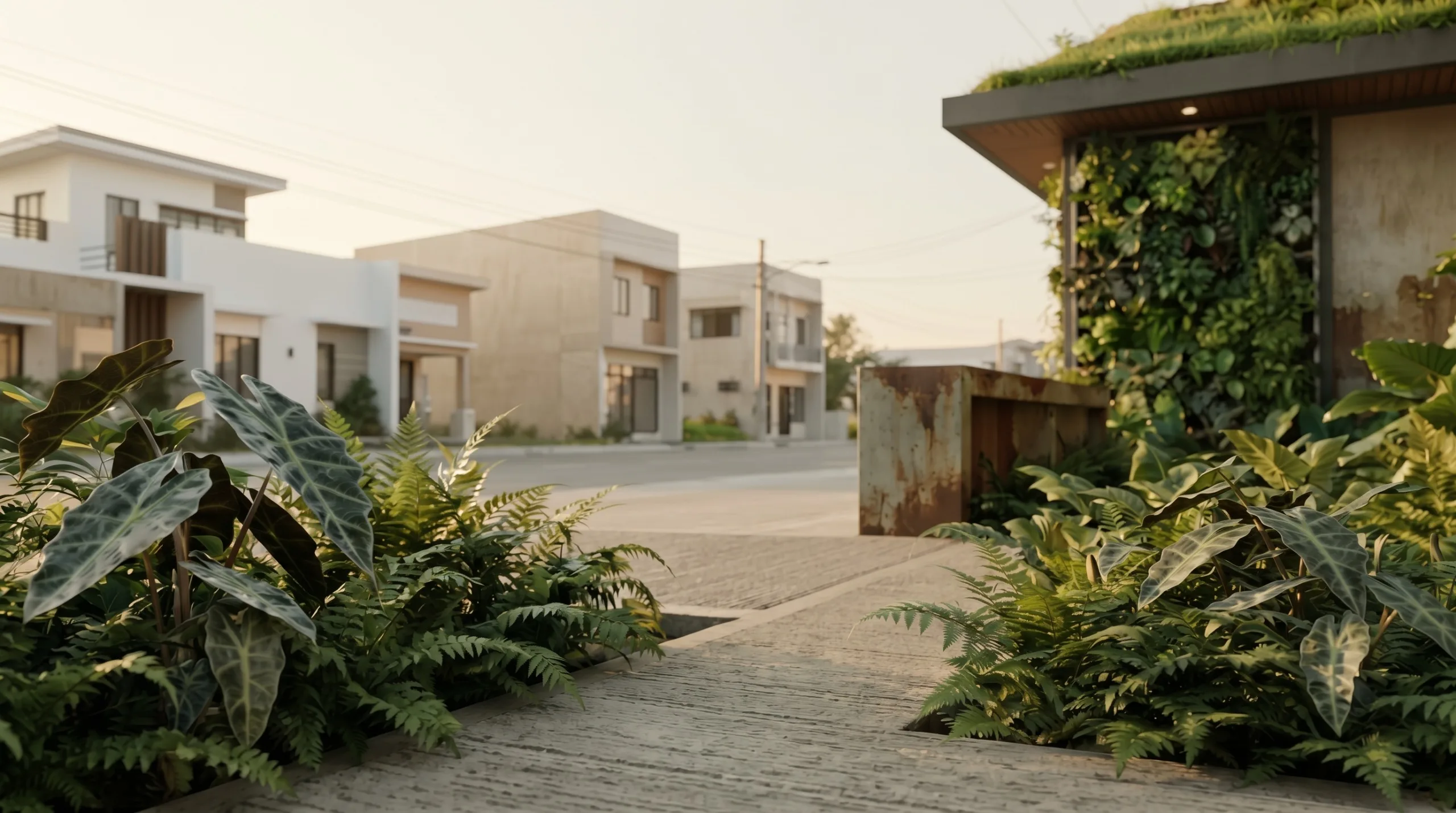
Green Spaces Can Become More Than Recreation Areas
BACOLOD - A park does not have to serve only as a place for walking, exercise, or relaxation. Trees, flowering plants, vegetation, and shaded areas can also provide food and shelter for birds, butterflies, bees, and other small creatures. In Bacolod, public spaces such as Capitol Park and Lagoon demonstrate how vegetation can become part of the urban environment. Future landscaping decisions could consider how these spaces can remain enjoyable for residents while also providing suitable conditions for local species.
Connected Green Areas Could Help Wildlife Move
Wildlife can benefit when green spaces are not isolated from one another. A series of planted streets, gardens, parks, waterways, and vegetated areas can potentially create connections through an otherwise built-up landscape. This idea can be relevant to neighborhoods such as Mandalagan, Villamonte, Alijis, and Tangub, where residential development exists alongside roads, commercial areas, and smaller open spaces. Even modest patches of vegetation can contribute to a broader network when they are maintained thoughtfully.
Wildlife Could Influence How Future Neighborhoods Are Designed
Planning with wildlife in mind does not mean turning every urban space into a protected habitat. Instead, it can encourage practical choices such as planting appropriate native or locally suitable species, protecting mature trees where possible, maintaining vegetation around waterways, and reducing unnecessary disturbance of wildlife. For homeowners and property developers, these considerations can also create greener surroundings that people can enjoy. As Bacolod grows, designing spaces that accommodate both residents and urban biodiversity could become another part of creating comfortable and environmentally responsible neighborhoods.
