


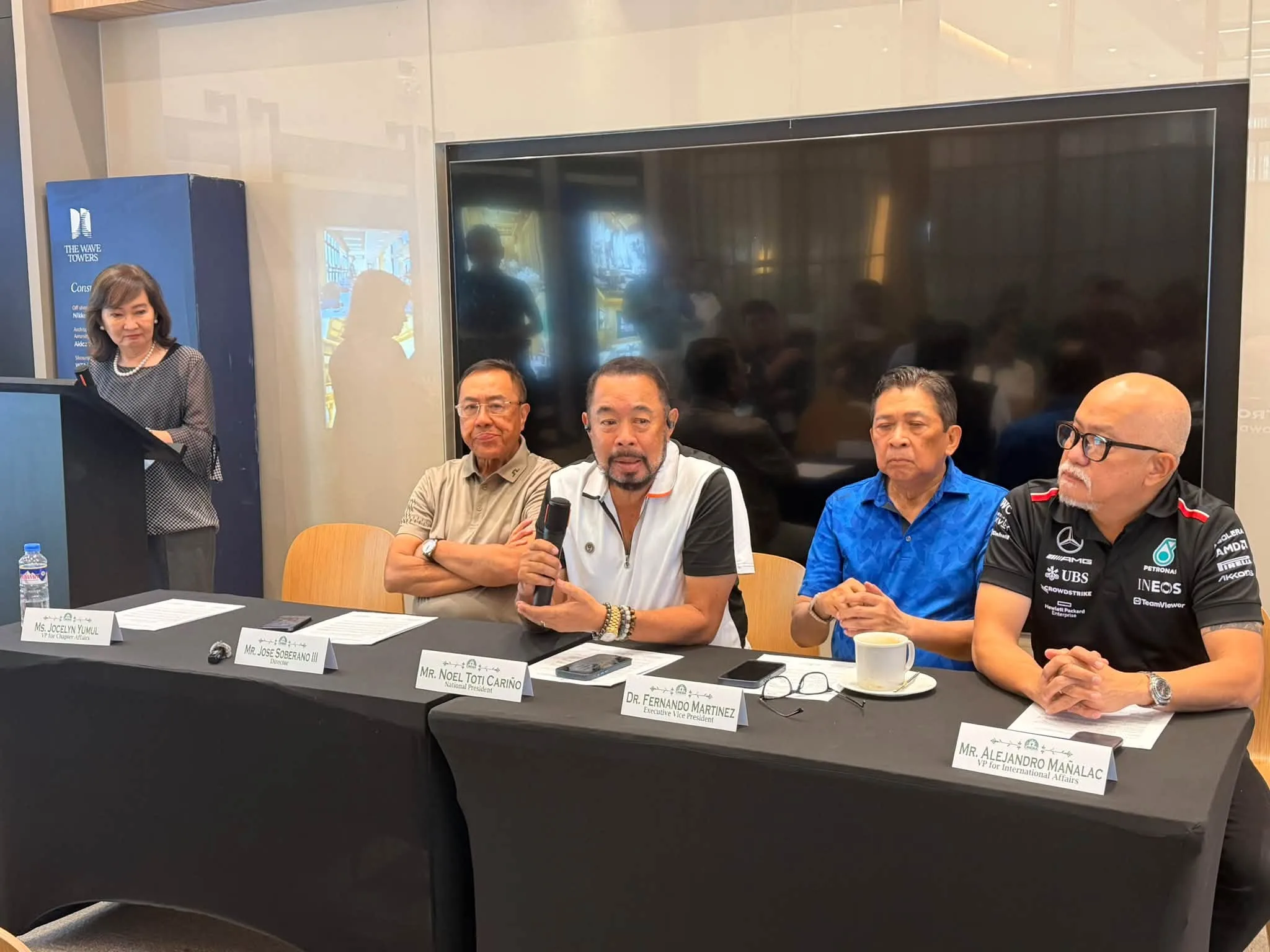
CEBU CITY — The Chamber of Real Estate and Builders’ Associations Inc. gathered industry leaders at the Radisson Blu Cebu on October 22, 2026, for its 53rd National Convention. The event served as a platform to pitch a major overhaul of the country's housing policies, aiming to bridge the affordability gap.
A Major Push for Housing Reform
With nearly 500 delegates in attendance, the convention highlighted the pressing need for stronger public-private coordination. The group emphasized that the current framework often burdens developers while failing to deliver accessible homes to intended beneficiaries.
Under the theme “Beyond Shelter, Creating Communities, Transforming Lives,” the discussions focused on shifting industry practices. CREBA is moving beyond mere construction quotas to advocate for a model that makes homeownership truly attainable for Filipino families.
Subsidizing Buyers Instead of Builders
CREBA National President Noel Toti Cariño proposed that the government subsidize homebuyers directly rather than requiring developers to build socialized housing units. The plan involves developers making non-recoverable contributions to a fund managed by the Pag-IBIG Fund.
This fund would cover a portion of the interest payments for qualified borrowers, effectively reducing their monthly amortizations. The association argues that this approach ensures housing remains affordable at the point of purchase, preventing units from sitting vacant due to weak demand.
The proposal has been submitted to the Department of Human Settlements and Urban Development and the executive branch. CREBA believes this shift would give developers the flexibility to deploy capital toward projects where genuine market demand actually exists.
Targeted Solutions for Diverse Households
Convention chairman Jose Soberano III noted that housing policy must distinguish between households that can qualify for financing but struggle with payments and those with no borrowing capacity. The former can benefit from interest subsidies, while the latter requires direct government intervention.
For the most vulnerable families, CREBA suggested exploring rent-to-own arrangements or support from the National Housing Authority. Meanwhile, developers continue to face challenges with high land and construction costs, making a sustainable financing framework absolutely essential.
The group is also requesting clearer implementation rules regarding licensing and escrow requirements. Developers expressed concerns that strict escrow rules could severely limit access to funds needed for ongoing project development and cash flow.
Strengthening Industry Collaboration
Hosting the convention in Cebu underscores the province's growing significance in the real estate sector. The gathering allowed top developers, contractors, and suppliers to explore new business partnerships while addressing pressing regulatory challenges.
CREBA emphasizes that its extensive network of over 300 members is fully prepared to support housing initiatives. However, they require practical guidelines and coordinated resources from the government to ensure these programs are successfully implemented.
Ultimately, the real estate industry is pushing for a cohesive framework that aligns public assistance with private investment. The effectiveness of these proposed changes will depend on the government's ability to translate recommendations into clear, sustainable rules.
