


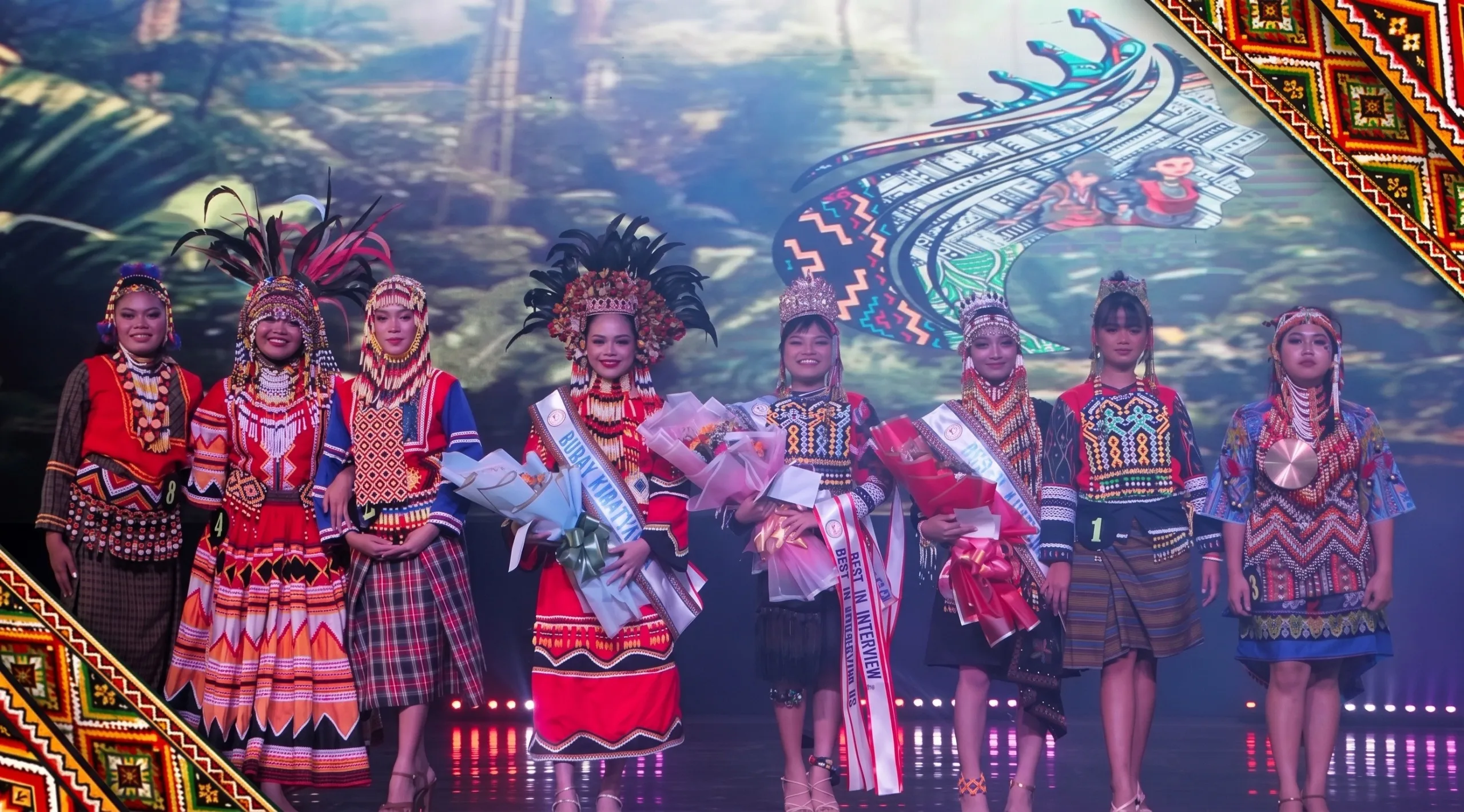
BISLIG CITY — For two days, October 16 and 17, 2026, Bislig City turned its attention to the cultures that predate its streets and institutions. The 29th Indigenous Peoples' Month and IPRA Commemoration brought together Manobo and Mandaya communities, local leaders, and residents for a program that honored tradition while asserting the continuing relevance of indigenous rights in the life of the city.
A Month Rooted in Law and Legacy
The observance carries the national theme "Empowering Indigenous Peoples: Strengthening Rights, Culture, and Ancestral Domains," a phrasing that links cultural celebration to the legal framework established by the Indigenous Peoples' Rights Act of 1997. This year marks the 29th anniversary of Republic Act No. 8371, the law that recognized ancestral domain titles and created the National Commission on Indigenous Peoples. In Bislig, the commemoration is not an abstract legal milestone. It is a reminder that the Manobo and Mandaya peoples have inhabited these landscapes long before the city was chartered, shaping its agricultural foundations and its earliest communities.
Two Days of Culture, Identity, and Belonging
The program on October 16 and 17 created space for both reflection and festivity. Community members gathered with local officials and representatives of indigenous organizations to witness cultural presentations and to affirm the values that bind the Manobo and Mandaya communities. The celebration also drew attention to the Kamayú language, also called Kinamayú, which remains spoken across Bislig and neighboring towns in Surigao del Sur. Language, elders reminded the crowd, is not a footnote to culture. It is the vessel that carries stories, values, and collective memory from one generation to the next, and its survival depends on young people who choose to speak it.
From Celebration to Everyday Respect
The event's deeper message extended beyond the stage. Organizers and community leaders used the occasion to call for listening, respect, and solidarity, not only during October but in the ordinary conduct of governance and community life. For Bislig, a city whose identity is woven with indigenous history, that means ensuring that indigenous voices are heard in decisions that affect their ancestral domains and that cultural practices are treated as living heritage rather than static displays. The two-day gathering was a celebration, but it was also a pledge to carry the lessons of the month into the rest of the year.
