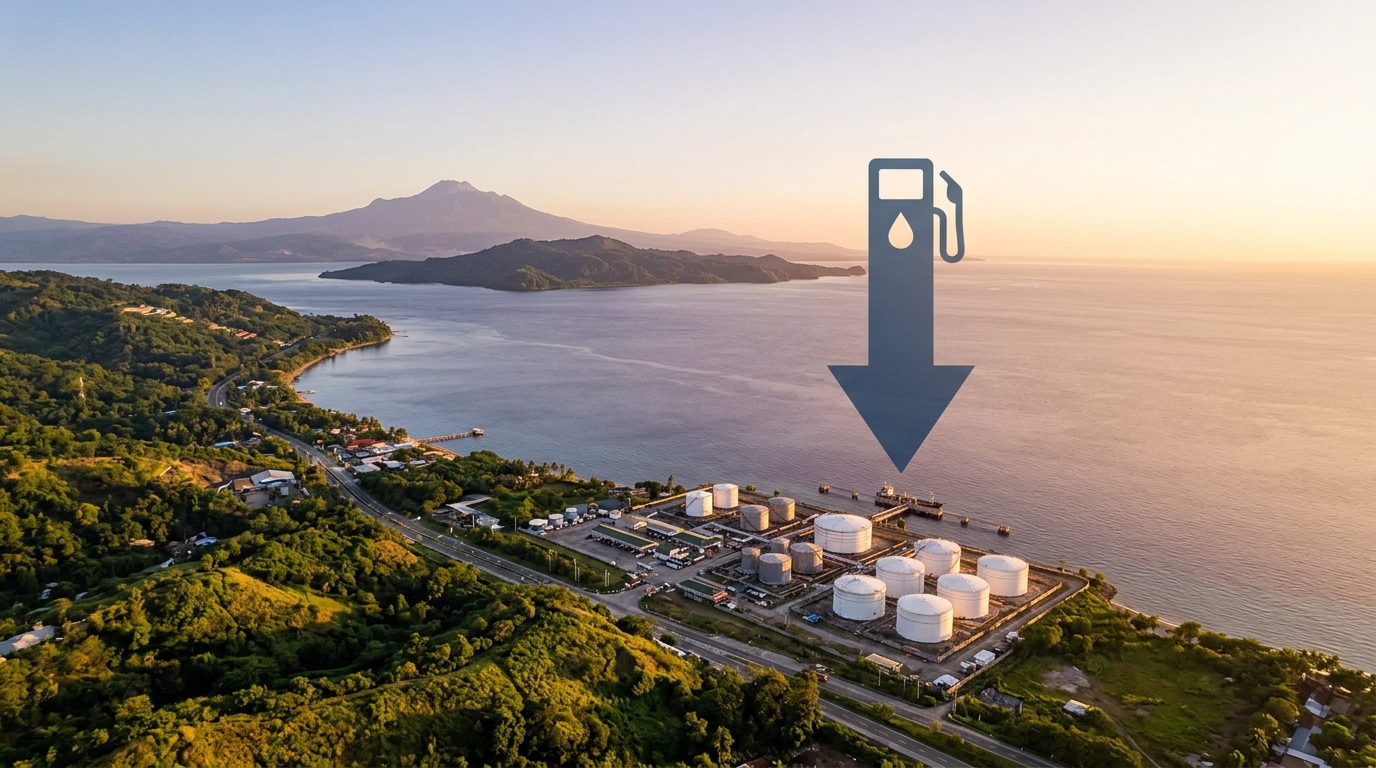
Davao — The city residents and businesses are welcoming a financial breather this week following a widespread fuel price rollback implemented across the region for the period of June 23 to 29, 2026. Data from the Department of Energy-Mindanao Field Office indicates that the cost per liter for premium gasoline, diesel, and kerosene has decreased, providing much-needed relief for the logistics and transportation sectors. This adjustment follows several weeks of volatile energy costs, offering a more stable pricing environment as the city moves toward the start of July. For daily commuters and local businesses reliant on delivery services, the price correction is a positive step in managing operational overheads.
Lower Costs at the Pump
The current monitoring period shows a consistent downward trend in pump prices throughout major urban centers in the region, including Davao City, Tagum, and Mati. Premium gasoline, which had been trending toward the upper end of price charts, saw a decrease that aligns with one of the year’s most substantial national rollbacks. Diesel, being the primary fuel for the region’s public transport and cargo vehicles, has also seen a favorable dip to just below the 70-peso mark in Davao City. This shift is helping local drivers manage their daily fuel expenses with a bit more breathing room as the month closes.
Impact on Local Logistics
Transportation and logistics are the heartbeat of Davao’s economy, and fuel pricing is a critical factor in the affordability of consumer goods. When pump prices drop, the ripple effect helps stabilize the costs of shipping fresh produce from the countryside to the city’s major markets. Small business owners are already noting that the reduced overhead is allowing them to maintain consistent pricing for their own customers. It is a welcome development that eases the inflationary pressure that has been felt by households over the past several months.
Preparing for a Stable July
With this price adjustment occurring just as the region prepares for various July observances and festivals, the timing is beneficial for both local mobility and tourism. Reliable fuel costs encourage more residents to travel within the region, supporting local sights and dining establishments that rely on weekend foot traffic. The energy sector remains vigilant in its monitoring to ensure that these global price shifts are reflected fairly at local stations. This current stability serves as a positive indicator for a more manageable economic environment in the coming weeks.