


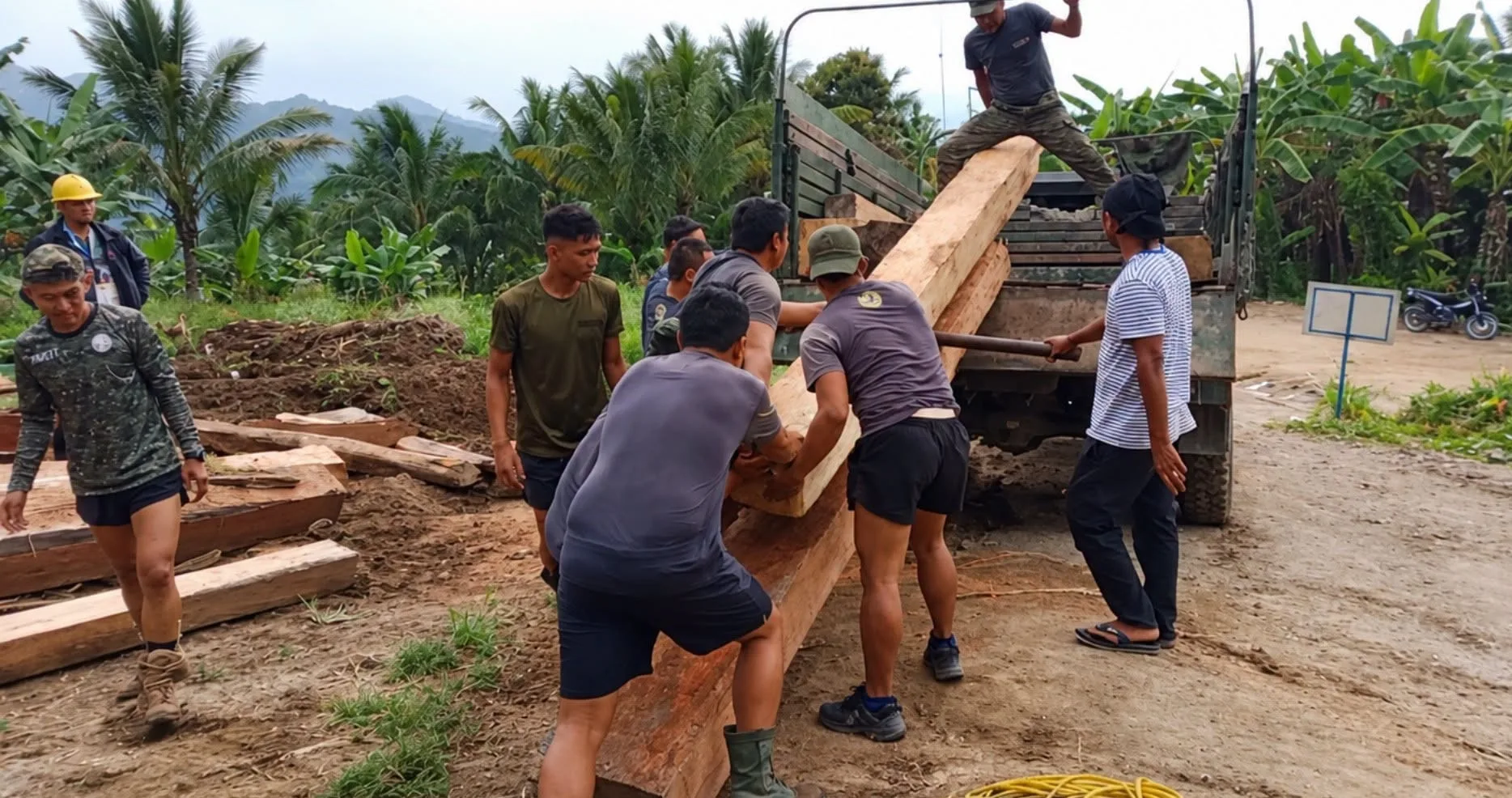
An Inspection That Puts Proper Handling First
GENERAL SANTOS CITY- The inspection of donated lumber at the 6IB camp in Tupi brings attention to the procedures involved in handling forest products. Under the Department of Environment and Natural Resources' regulatory framework, the movement and disposition of lumber may require supporting documents, depending on its source and circumstances. Checking the materials and their accompanying records helps establish whether the transfer follows the applicable requirements. Such oversight is important because responsible resource management involves both the physical materials and the paperwork that accounts for them. The specific findings of the Tupi inspection, however, should be taken from the original DENR-CENRO report.
Why Documentation Matters When Lumber Is Donated
Proper documentation helps establish where lumber came from, how much material is being transferred, and who is responsible for receiving it. These details can support traceability and help prevent confusion over the lawful disposition of forest products. The DENR has established procedures for documenting donated wood, including the use of donation records and supporting transport documents where required. Following the appropriate process helps ensure that donated materials can be accounted for and handled according to their intended purpose. The exact documents checked during the Tupi inspection have not been independently confirmed.
Responsible Resource Use Beyond the Inspection Site
The value of an inspection extends beyond a single location because forest resources require careful management throughout their handling and use. The CENRO General Santos City office covers General Santos City and the municipalities of Polomolok, Tampakan, and Tupi, according to the official profile of DENR's PENRO South Cotabato. Its responsibilities include forest resource management, environmental protection, and regulatory services within its area of jurisdiction. Activities involving donated lumber can therefore be understood within the broader work of ensuring that forest products are handled responsibly. The original inspection report remains the appropriate source for confirming the lumber's quantity, intended use, and any findings made by personnel.
