


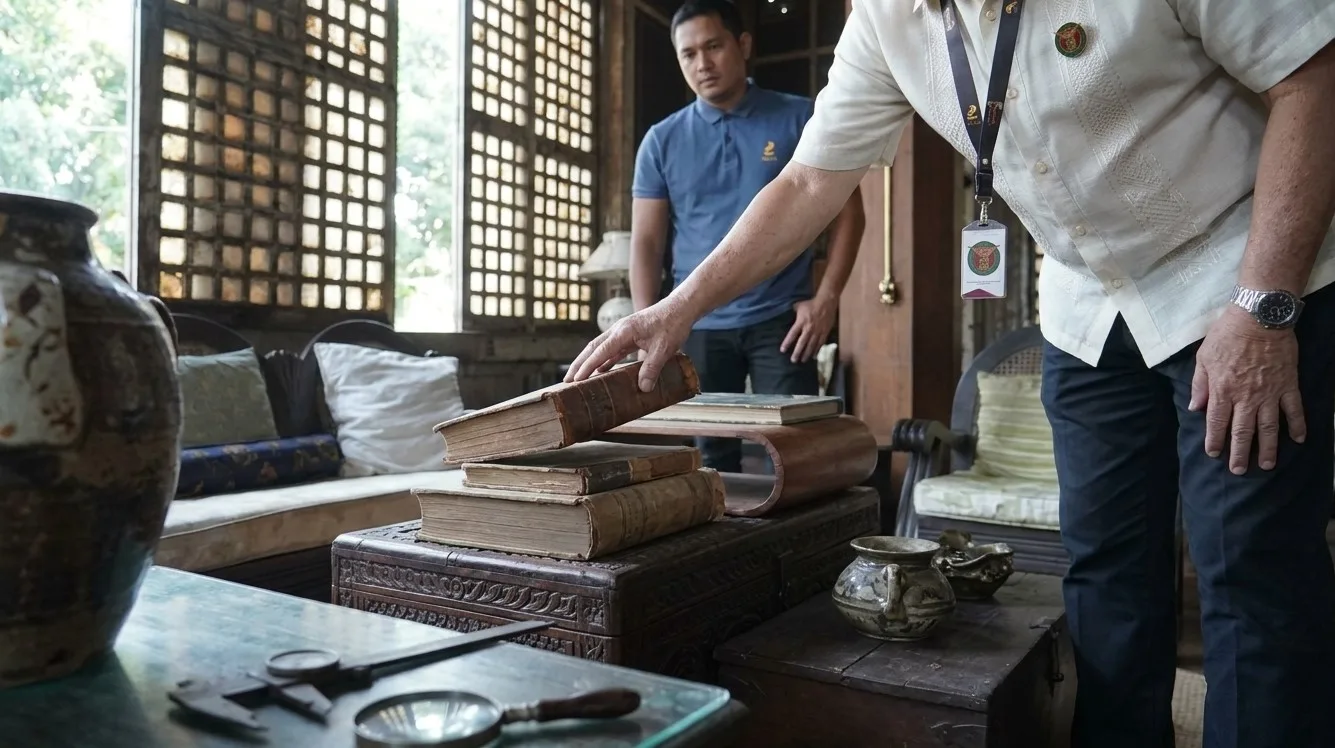
Looking Beyond Buildings to Understand Ozamiz's History
OZAMIZ CITY- Ozamiz City's heritage can be explored through its historic landmarks, religious architecture, community traditions, and records of the area's development. A visit involving cultural agencies and archaeological specialists can provide a setting for examining which sites deserve further documentation and what information is needed to understand their historical value. The NCCA's National Committee on Monuments and Sites works to support the conservation of historic structures, cultural landscapes, and their surrounding environments. This national conservation framework offers useful context for discussions about protecting Ozamiz's distinctive historical character.
Why Documentation Matters Before Preservation Begins
Effective heritage conservation starts with reliable records. Historical photographs, architectural descriptions, oral histories, archival documents, and archaeological assessments can help establish why a place matters and what measures may be appropriate for its protection. The NCCA's Philippine Registry of Heritage, known as TALAPAMANA, serves as a central repository for information about significant cultural properties across the country. Its September 2026 reporting cycle also highlights the continuing importance of local cultural inventories, giving communities a practical reference for organizing information about their heritage assets
Building a Legacy That Future Generations Can Understand
Heritage preservation is most meaningful when historical knowledge remains accessible to the people who live alongside these places. Cooperation among cultural agencies, researchers, property custodians, and community members can help identify preservation priorities while balancing historical value with the needs of present-day residents. For Ozamiz, documenting local landmarks and recording community memories could provide useful material for future educational, cultural, and heritage initiatives. The specific findings or recommendations from the reported visit, however, should be established through an accessible official report before any conclusions are attributed to the visiting institutions.
