


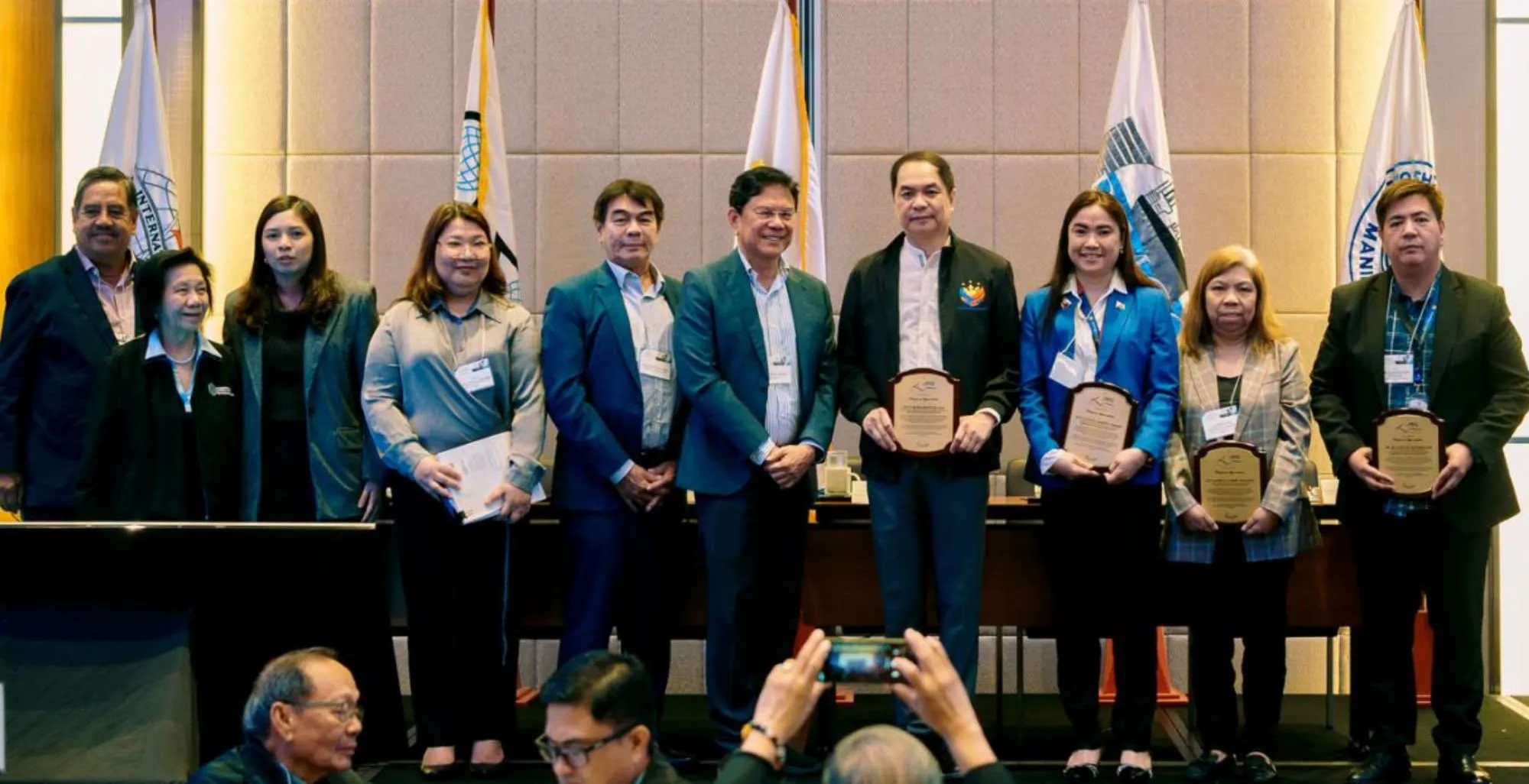
PHILIPPINES — The Department of Migrant Workers (DMW) concluded a day‑long briefing on July 24, 2026, drawing around 300 representatives from licensed manning agencies and maritime partners. The session unpacked the freshly issued 2026 Sea‑Based Rules and the updated Standard Employment Contract for Seafarers, translating dense regulations into enforceable protection for the country’s mariners.
A Full Day of Clarity and Compliance
Undersecretary Bernard P. Olalia opened the event by stressing that a shared understanding of the new framework is the bedrock of compliance. He said the goal is to leave no room for misinterpretation that could put seafarers at risk. The room was filled with industry professionals eager to align their operations with the latest government standards.
Technical sessions dove into the specifics. Atty. Janine T. Tutanes walked participants through the 2026 DMW Sea‑Based Rules, while Atty. Albert Ranier Valenciano presented the key provisions of the revised Standard Employment Contract. Their presentations broke down the legal language into clear, actionable steps for agencies.
An open forum followed, giving attendees the chance to raise real‑world concerns. A panel that included Assistant Secretary Julyn Ambito‑Fermin and Directors Liza Alcera and Marieta Labong‑Dela Cruz fielded questions directly. The exchange ensured that the policies heard from the podium matched the realities of agency operations.
More Money When It Matters Most
One of the most significant changes is a 10 percent increase in disability compensation. The base rate rises from $50,000 to $55,000, with the maximum Grade 1 benefit now reaching $66,000. This adjustment provides families with greater financial security when a seafarer can no longer work due to injury.
The new rules also mandate that allotments to families be calculated on at least 80 percent of total monthly compensation, now defined as basic wage plus guaranteed overtime. Previously, the computation rested on basic pay alone. This shift puts more money into the hands of dependents each month, directly boosting household budgets.
In a landmark move, seafarers captured by pirates or held in war zones will continue to receive their full wages and allotments until they are freed and safely repatriated. This provision recognizes the ongoing trauma that families endure and removes the fear of financial collapse during a crisis. It also sends a strong signal that the government values the dignity of every captured mariner.
Fairer Medical and Dispute Resolution
The revised framework introduces a binding third‑doctor mechanism. When a seafarer’s personal physician disagrees with the company‑appointed doctor, a third expert from a Department of Health‑accredited pool makes the final call. This arbitration must happen before any court proceedings, saving time and legal costs for both parties.
Additionally, the list of compensable conditions now explicitly includes infectious diseases like COVID‑19, mental health issues such as PTSD, and cardiovascular events linked to shipboard stress. Broader coverage means fewer workers will be denied medical support because their illness falls outside outdated definitions. The changes align Philippine standards with international maritime health practices.
Strengthening Agency Accountability
Licensed manning agencies now face higher capital requirements. Escrow deposits must reach ₱1.5 million, while paid‑up capital stays at ₱5 million. Regular licenses are valid for six years, up from four, giving compliant agencies longer operational certainty. These adjustments aim to weed out undercapitalized players and raise industry professionalism.
Agencies are also required to report critical incidents to the DMW within five days, with bi‑monthly updates to both the department and the seafarer’s family. This speeds up transparency and ensures that relatives waiting at home are never kept in the dark. The traditional Overseas Employment Certificate has been formally replaced by the OFW Clearance, streamlining pre‑departure processing.
A Commitment to Continuous Protection
The DMW plans to roll out more information series sessions across the country. Secretary Hans Leo J. Cacdac has stressed that well‑informed manning agencies are essential partners in upholding the Magna Carta of Filipino Seafarers. The July 24 event is just the first wave of a sustained education campaign.
By the close of the day, attendees carried home detailed circulars and a shared commitment to implement the new standards immediately. The DMW’s message was unambiguous: protecting seafarers is not a choice but a mandate. Every contract, every wage slip, and every medical assessment must now reflect the enhanced rights of the modern Filipino mariner.
