


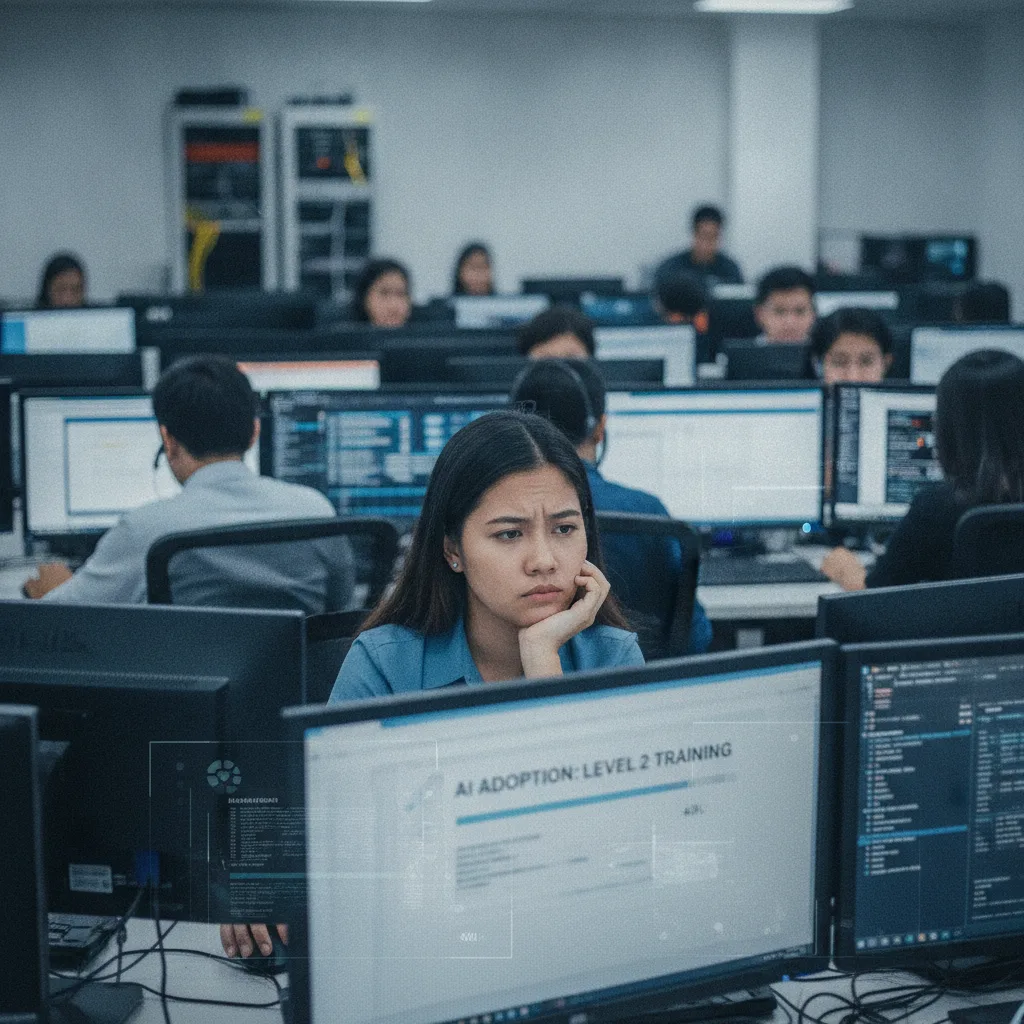
A recent study has unveiled a critical paradox within the Philippine workforce: a staggering 78% of Filipino workers are already integrating Artificial Intelligence into their daily tasks, yet a concerningly small fraction has received formal training to effectively use these powerful tools. This striking discrepancy, highlighted by Philstar.com, presents a looming challenge for the nation's economic future and the global standing of its most valuable asset – its people.
Unregulated Integration, Security Exploits, and Productivity Bottlenecks
The widespread, informal adoption of AI suggests a proactive and adaptable workforce, keen to leverage new technologies. However, operating without proper guidance and structured education means many are likely underutilizing AI's full potential, or worse, making errors that could impact productivity and data security. This gap is not merely a technical oversight; it represents a significant vulnerability in a rapidly evolving global job market where AI proficiency is fast becoming a baseline requirement.
Protecting $38 Billion BPO Revenues and Safeguarding OFW Market Share
For Filipinos both at home and among the millions of Overseas Filipino Workers (OFWs) worldwide, this finding carries profound implications. In the Philippines, industries from business process outsourcing (BPO) to manufacturing are increasingly integrating AI, making skilled AI users indispensable. Without formal training, local workers risk being left behind, unable to compete for higher-value jobs that demand sophisticated AI interaction. Globally, OFWs are renowned for their adaptability and strong work ethic. However, as international labor markets become more technologically advanced, a lack of certified AI skills could erode their competitive edge against workers from other nations who benefit from robust national upskilling programs. This could impact their ability to secure lucrative contracts, advance careers, or even retain existing positions as AI automates routine tasks. The economic stability of countless Filipino families, heavily reliant on remittances, hinges on the continued competitiveness of the Filipino workforce.
Mobilizing State Frameworks, Corporate Academies, and Role-Based AI Certification
This study serves as an urgent call to action for individuals, employers, and the Philippine government. Filipinos must proactively seek opportunities for AI literacy and training, whether through online courses, vocational programs, or employer-led initiatives. Employers, in turn, have a responsibility to invest in their workforce's future by providing comprehensive AI education, ensuring their teams are equipped to navigate and innovate with new technologies. The government's role is crucial in developing national strategies for AI upskilling, integrating AI education into curricula, and fostering partnerships to create accessible training pathways that can secure the Philippines' position in the global digital economy. The future of Filipino employment, both domestically and internationally, will depend on how effectively this training gap is addressed.
