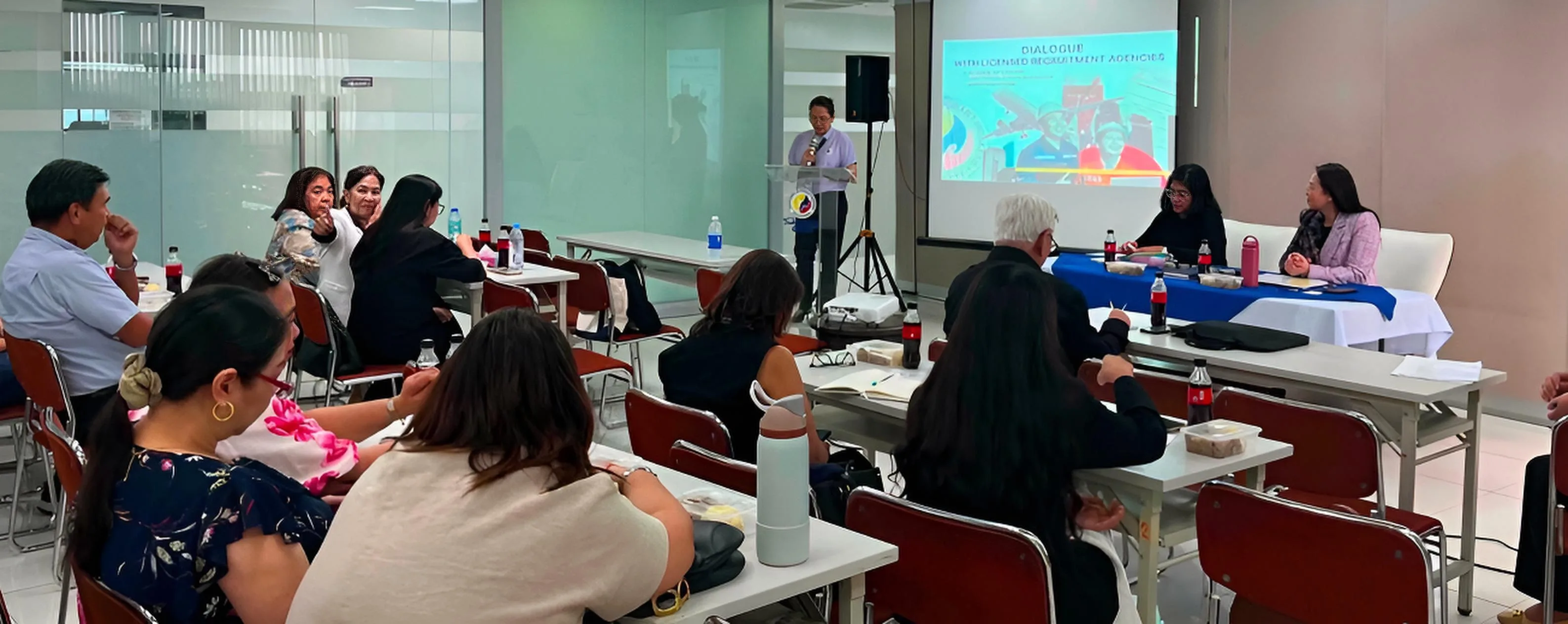
MANDALUYONG CITY — The Department of Migrant Workers (DMW) launched a series of stakeholder dialogues on July 1, 2026, to overhaul the licensing process for recruitment agencies. The initiative aims to cut bureaucratic red tape while reinforcing safeguards for overseas Filipino workers, signaling a new era of transparency and speed in deployment procedures.
A Collaborative Push for Reform
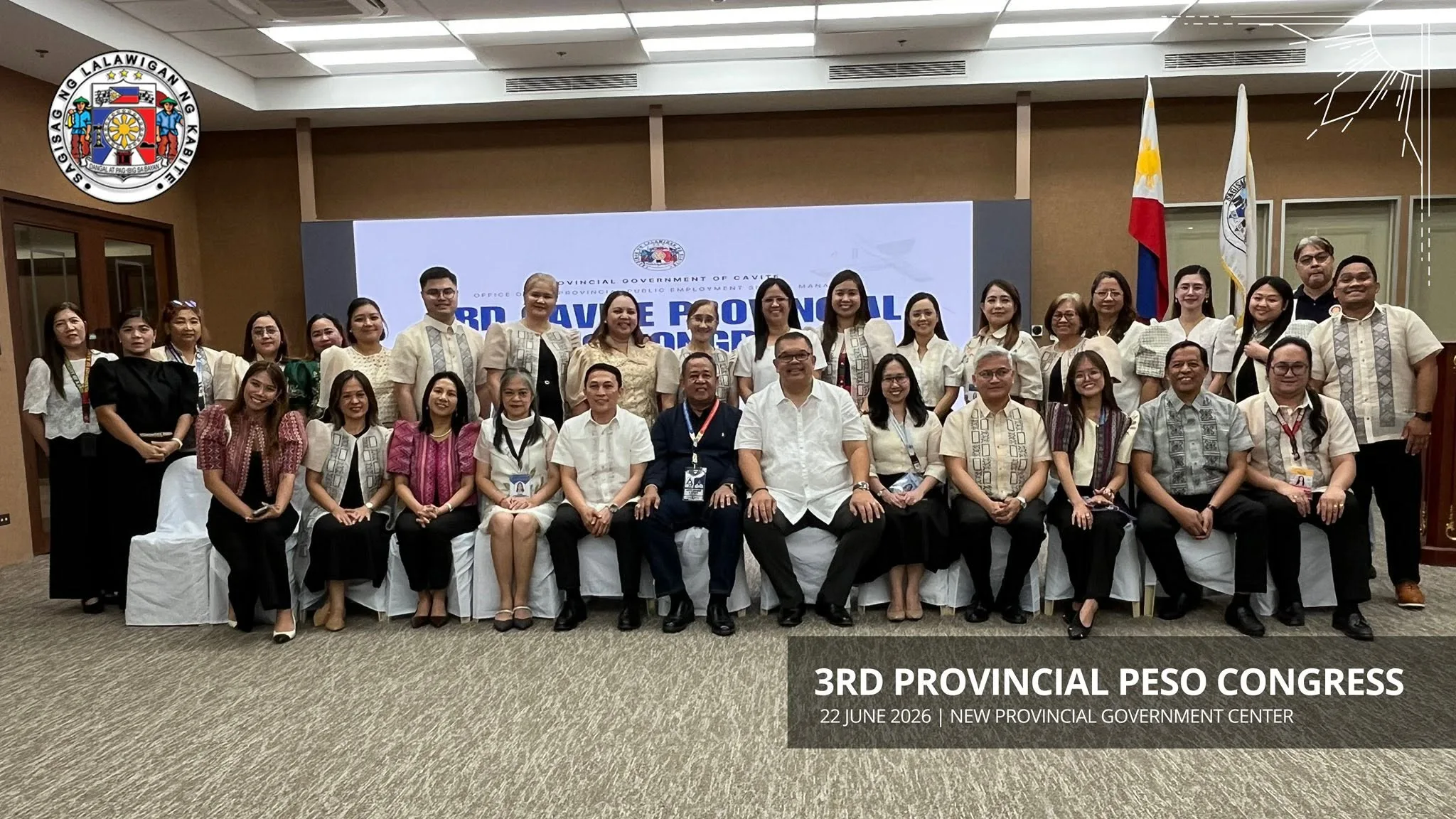
Undersecretary Darlene R. Pajarito led the initial session at the DMW Central Office, gathering agency representatives to dissect every step of the licensing cycle. The discussions focused on simplifying documentary requirements, streamlining checklists, and tightening processing timelines. The goal is to create a system that is both business‑friendly and impervious to abuse.
Recruitment agencies welcomed the dialogue as a long‑awaited opportunity to eliminate redundancies. Many noted that outdated requirements often delayed the deployment of urgently needed workers. The DMW assured stakeholders that all revisions would fully comply with Republic Act No. 11641, the department’s charter law, ensuring that efficiency never comes at the expense of worker protection.
Protecting Every Filipino Worker
At the heart of the reforms is a commitment to safeguard OFWs from illegal recruitment and contract violations. By refining the licensing framework, the DMW can better monitor agencies and swiftly revoke permits from bad actors. Assistant Secretary Mary Grace L. Riguer‑Teodosio emphasized that a robust licensing system is the first line of defense against trafficking and exploitation.
Director Liza C. Alcera and Director Mylette V. Andres of the Licensing and Regulations Bureau provided technical insights on proposed changes. They explained how digitizing application processes can reduce face‑to‑face transactions that sometimes invite fixers. A tighter system also ensures that only agencies with genuine job orders and ethical practices can operate, giving workers confidence in their placements.
A Series of Dialogues for Lasting Change
The July 1 meeting is only the beginning. The DMW has committed to holding additional consultations to gather input from a wider range of stakeholders, including overseas employment advocates and worker organizations. This iterative approach ensures that the final reforms reflect the realities on the ground and address the concerns of all parties involved.
Undersecretary Pajarito stressed that the department values the expertise of the private sector in shaping practical policies. The feedback gathered will be synthesized into concrete amendments to licensing rules and regulations. The DMW aims to implement the improvements swiftly, with measurable targets to track progress.
Balancing Speed and Integrity
A major focus of the dialogue was the elimination of redundant documentation that adds costs and delays without adding protection. Agencies cited examples of overlapping clearances that could be consolidated into a single submission. The DMW is now reviewing these proposals to create a lean yet comprehensive checklist.
At the same time, the department is exploring the use of technology to automate verification processes, reducing human intervention and the potential for graft. A digital licensing portal is under consideration, which would allow agencies to apply and renew permits online. This shift would make the Philippines a more attractive labor‑sending country while maintaining the highest ethical standards.
A Stronger Future for Labor Migration
The reforms are expected to enhance the Philippines' reputation as a reliable source of skilled workers. Efficient licensing encourages more employers abroad to choose Filipino talent, knowing that the deployment system is transparent and accountable. The DMW remains focused on its mission to protect every OFW while fostering a competitive recruitment industry.
As the dialogues continue, the message is clear: the government is listening, and meaningful change is underway. The partnership between the DMW and recruitment agencies is poised to create a licensing framework that truly serves the nation's modern‑day heroes.