DAVAO CITY — The Department of Labor and Employment (DOLE) is pressing forward with its Integrated Livelihood Program for 572 fishery workers in Davao Occidental, even as the region recovers from the magnitude 7.8 earthquake that struck Mindanao on June 8. The dual response highlights government agility in protecting vulnerable coastal workers.
A Safety Net During the Spawning Season
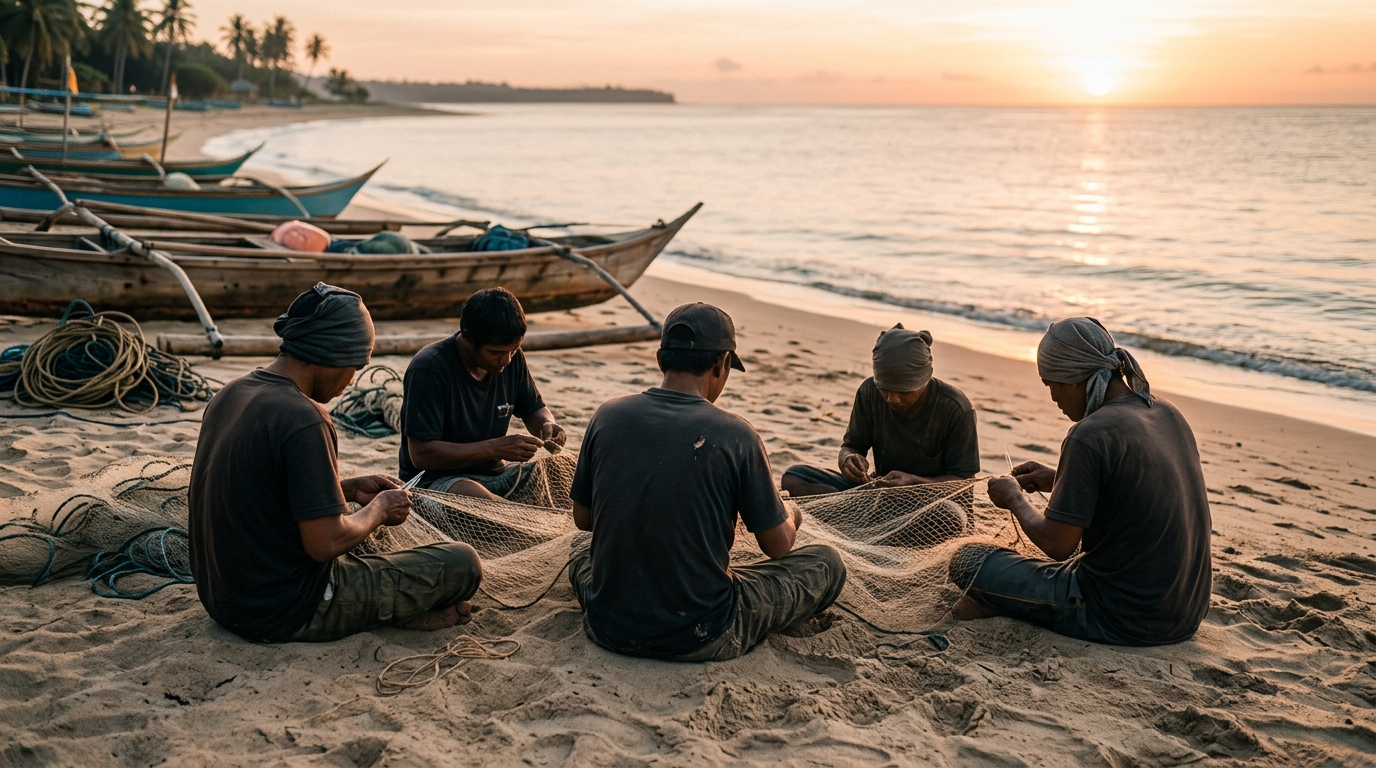
The livelihood program runs parallel to the three‑month closed fishing season in Davao Gulf, enforced annually from June 1 to August 31 by the Bureau of Fisheries and Aquatic Resources. The ban protects spawning small pelagic fish like matambaka, alumahan, and galunggong, ensuring long‑term marine sustainability.
For the 451 sea‑based and 121 land‑based workers affected, the closure means zero income from commercial fishing. DOLE Davao Occidental Provincial Director Paul Cruz emphasized that the program is not a piecemeal dole‑out but a continuous package of support. Beneficiaries have completed orientation and are now engaged in community work and training.
A Structured Package Beyond Dole‑Outs
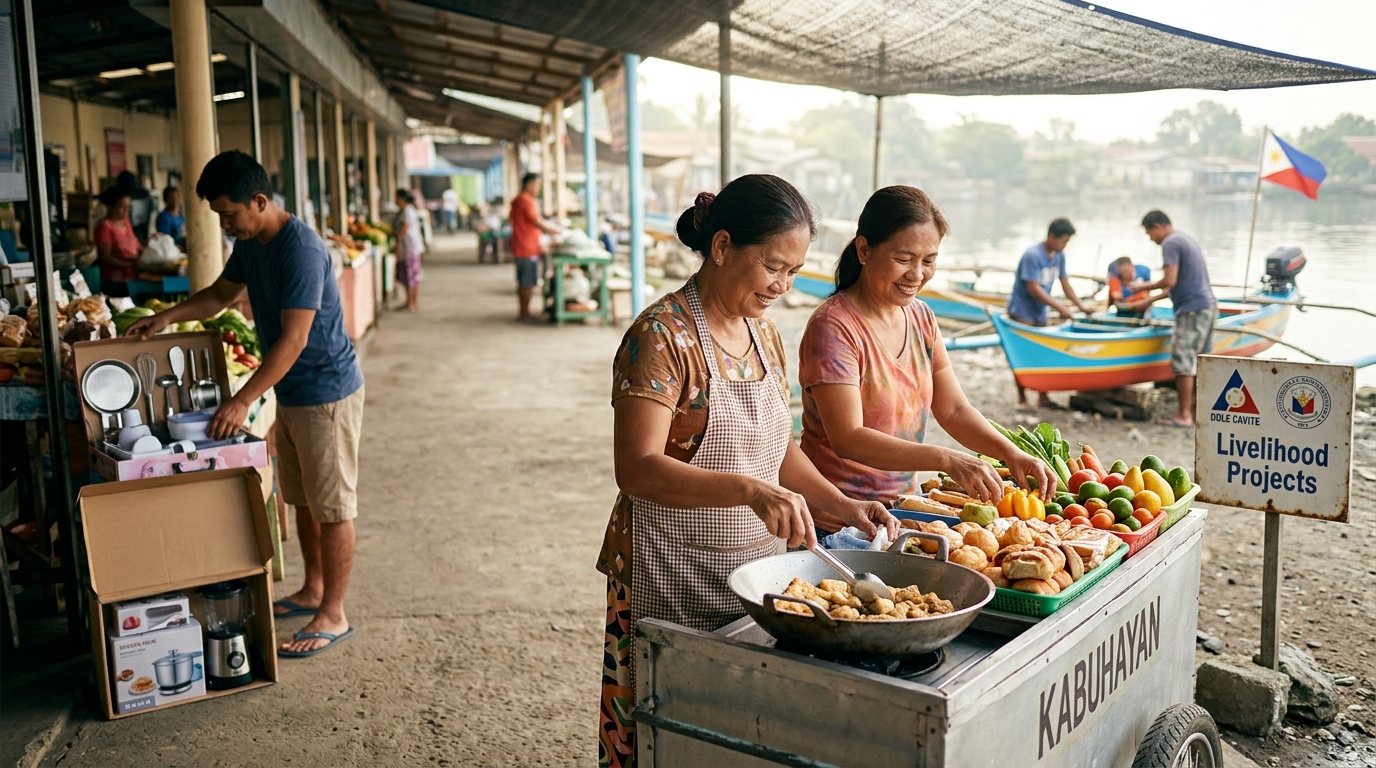
The inter‑agency initiative, formalized through a Memorandum of Agreement on May 6, 2026, follows a phased system. Phase 1 provided orientation and Safety at Sea training. Phase 2 involves 15 days of paid emergency employment through community work, funded directly by DOLE.
The Technical Education and Skills Development Authority will handle the next phase, delivering advanced skills instruction. Eventually, the Department of Social Welfare and Development will take over to transition workers into alternative livelihoods or micro‑enterprises. This structured handoff ensures no worker is abandoned mid‑process.
Dual Crisis Tests Program’s Resilience
The earthquake complicated an already difficult situation, claiming 37 lives and displacing over 145,000 people across Mindanao. Davao Occidental recorded more than 5,300 families in evacuation centers, primarily from mountainous areas. Cruz reported no casualties among the 572 program beneficiaries, who reside along the coast.
Because the fishers were spared major structural damage, the livelihood program continued without interruption. The training schedule remains intact, and participants are fulfilling their community work requirements. DOLE sees the program’s continuity as essential to preventing deeper economic distress.
Mobilizing Millions for Emergency Employment
Beyond the fishery program, Labor Secretary Francis N. Tolentino activated a ₱167.79‑million financial package for earthquake‑hit regions. DOLE Davao launched a clean water campaign, distributing over 15,000 bottles of mineral water to affected communities. The immediate relief paved the way for longer‑term interventions.
Under the Tulong Panghanapbuhay sa Ating Disadvantaged Workers program, displaced residents are being hired at local minimum wage to clear debris, pack relief goods, and construct temporary shelters. The Employees’ Compensation Commission also offers ₱15,000 in direct financial aid to affected workers, with ₱30,000 funeral benefits for families of those who perished.
A Blueprint for Regional Resilience
The livelihood program, initially covering only Davao Occidental, is already being considered for regional expansion. DOLE’s model of inter‑agency convergence—linking labor, skills development, social welfare, and fisheries management—offers a replicable template. An additional ₱413.64 million in supplementary funds has been proposed to scale up emergency employment and livelihood support.
For the 572 fishers, the program means they will emerge from the closed season with new skills and savings rather than debt. Their experience demonstrates that even amid natural disasters, well‑designed government programs can sustain the most vulnerable. As rebuilding continues, DOLE’s dual focus on immediate relief and long‑term livelihood anchors the region’s recovery.