


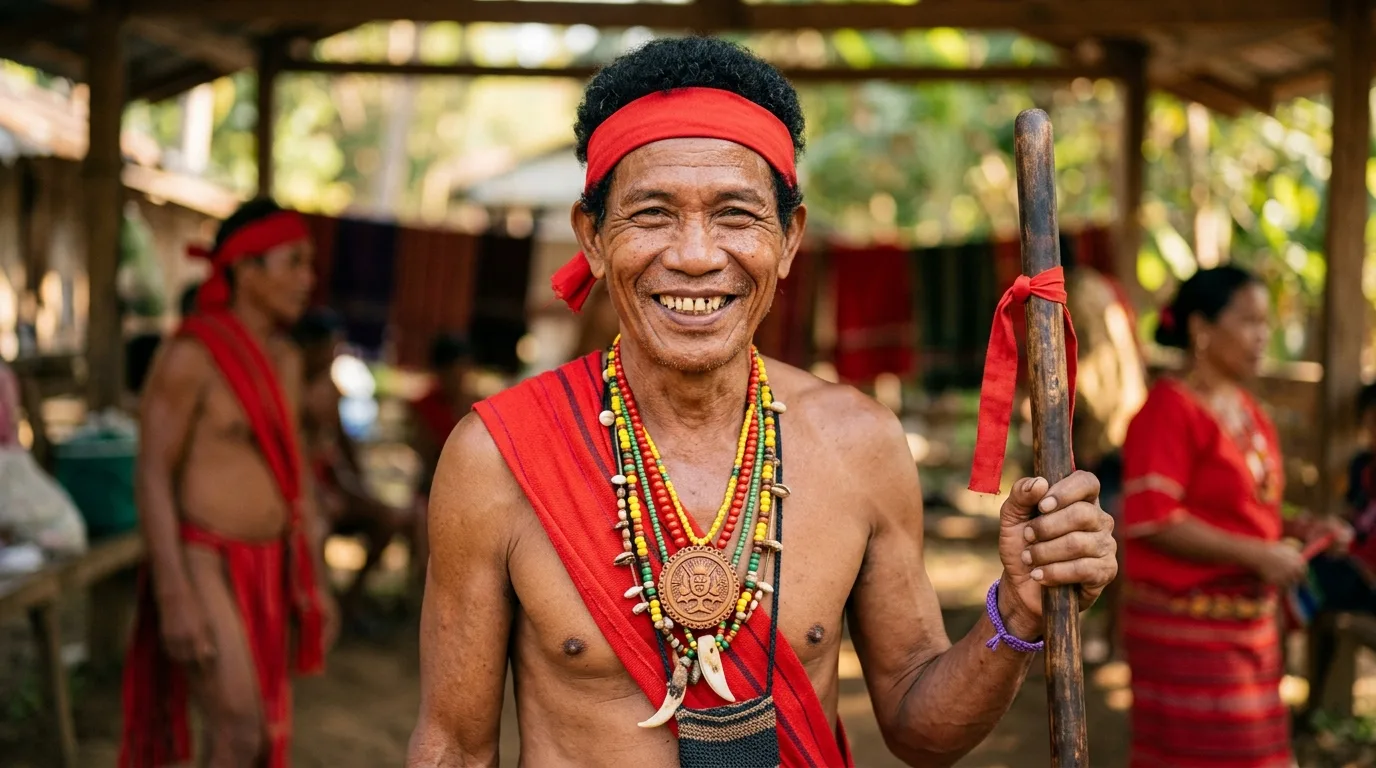
DUMAGUETE CITY — Every October, the City of Gentle People becomes a living archive of ancestral memory. National Indigenous Peoples Month brings the stories of Negros Oriental's first peoples to the forefront, transforming universities, plazas, and heritage venues into spaces of dialogue and celebration.
A Month Rooted in Law and Legacy
Presidential Proclamation No. 1906 designates October as National Indigenous Peoples Month, mandating the recognition and protection of Indigenous Cultural Communities. In Dumaguete, the observance transcends ceremony, becoming a genuine convergence of memory, scholarship, and advocacy that honors the Ata, Ati, Magahat, and Bukidnon peoples.
Long before colonial bell towers rose, indigenous communities stewarded the island's forests, rivers, and coastlines. Spanish cartographers named the entire landmass "Negros" after encountering these first inhabitants in the sixteenth century. That historical footprint remains visible in the uplands of Mabinay, Bais, Siaton, and the forested slopes of Mount Talinis.
The Living Cultures of Negros Oriental
The Magahat, sometimes called the Bukidnon of Negros, sustain a rich oral tradition encompassing riddles, proverbs, ceremonial songs, and folktales. Their knowledge of forest medicine and sustainable farming reflects generations of harmony with the natural world. These traditions are not relics; they are breathing practices passed from elder to youth.
Yet these cultures face mounting pressures. The Ata language of central Negros Oriental sits on the brink of silence, with only a few fluent speakers remaining. Indigenous Peoples Month serves as an urgent reminder that preserving these languages and lifeways is essential to keeping the nation's cultural tapestry whole.
Dumaguete as a Cultural Nexus
Silliman University and other academic institutions partner with the National Commission on Indigenous Peoples, local government units, and civil society to host forums, exhibits, and craft markets. These gatherings dismantle stereotypes by giving indigenous elders, tribal chieftains, and youth leaders direct platforms to speak to students and policymakers.
Artisans bring handwoven textiles, herbal remedies, and bamboo crafts to artisanal fairs, offering urban residents tangible connections to traditional craftsmanship. Traditional dances echo forest wildlife, while drumming and chanting fill open-air amphitheaters. These exchanges foster solidarity rather than exoticized observation.
Four Pillars of the Observance
Celebrations center on cultural preservation, rights and ancestral domain, environmental stewardship, and youth empowerment. Advocates record oral histories to ensure intergenerational learning. Panel discussions address land tenure under the Indigenous Peoples Rights Act of 1997.
Indigenous communities are recognized as frontline guardians of biodiversity, with traditional ecological knowledge offering lessons for climate resilience. Scholar programs help indigenous youth access modern education while remaining rooted in their heritage. Each pillar reinforces the others, creating a holistic framework for cultural survival.
Facing Realities, Building Futures
Beyond festivities, the month invites candid reflection on systemic challenges. Indigenous groups navigate socio-economic disparities, limited healthcare in remote settlements, and threats to customary lands. Migration pulls younger generations away from traditional practices, risking cultural dilution.
Civic groups use October's heightened awareness to push for lasting policy changes, including better rural schools, localized disaster response, and support for sustainable livelihoods. The true spirit of the observance lies in recognizing indigenous heritage as a dynamic force enriching contemporary society, not a static artifact of the past.
