CAGAYAN DE ORO — As the nation celebrates Pride Month, a growing number of local government units (LGUs) are taking decisive action to protect the rights of the LGBTQIA+ community. In the absence of comprehensive national legislation, these cities and municipalities are filling the gap by enacting local anti-discrimination ordinances and gender-inclusive policies. These initiatives aim to ensure that all citizens, regardless of their sexual orientation, gender identity, gender expression, or sex characteristics or SOGIESC, are treated with the dignity and respect they deserve within their own communities.
Building Safer Spaces Through Proactive Local Legislative Action
The push for localized protection is a direct response to the persistent challenges faced by LGBTQIA+ individuals in workplaces, public spaces, and essential service facilities. By establishing clear legal guidelines against prejudice, these LGUs provide citizens with a framework for recourse when they experience harassment or exclusionary practices. These ordinances often go beyond mere policy, creating pathways for sensitive service delivery and educational programs that foster a more welcoming environment for all residents. As more councils adopt these measures, they create a ripple effect that encourages neighboring provinces to prioritize equality as a core element of good governance.
Moving Beyond Rhetoric Toward Meaningful Institutional Inclusion
Inclusion in 2026 is increasingly seen as a practical necessity rather than just an abstract commitment to diversity. Local governments are now focusing on the concrete realities of daily life, such as the implementation of gender-neutral facilities and the removal of discriminatory hiring practices in municipal offices. This shift toward institutionalized support ensures that public policies are reflected in everyday interactions between the government and its people. By practicing these principles at the local level, municipalities are demonstrating that a truly progressive society is one where no individual is left behind due to their identity or who they love.
Nurturing a Culture of Respect and Genuine Social Cohesion
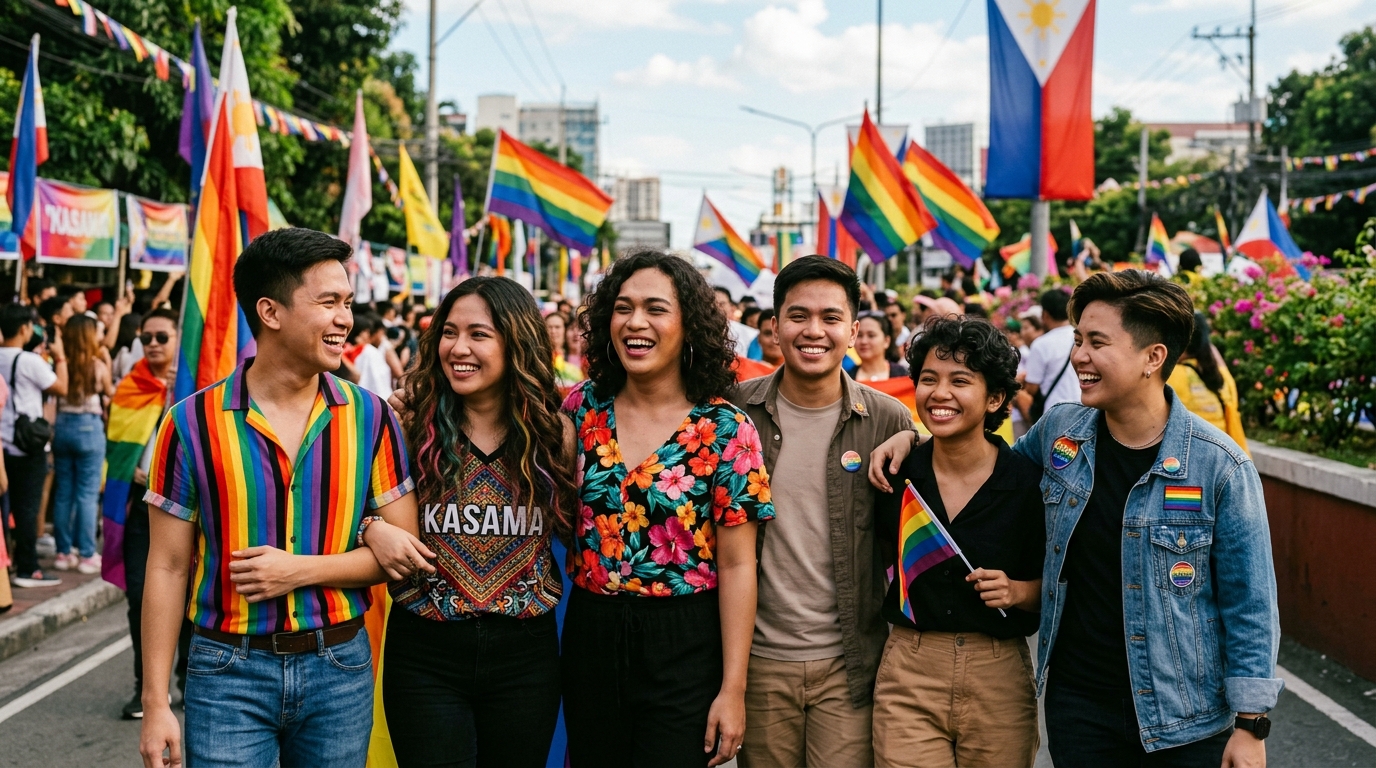
Beyond the legal framework, these developments are fostering a cultural shift toward greater empathy and understanding among the general public. Pride Month activities in cities like Quezon City have underscored this trend, blending massive celebrations with serious calls for continued protection and systemic change. When local leaders stand in solidarity with the community, they send a powerful message that diversity is a valued part of the local story. These grassroots efforts reflect a broader national aspiration for a future where equality is not just a seasonal celebration, but a foundational pillar of the Filipino experience.