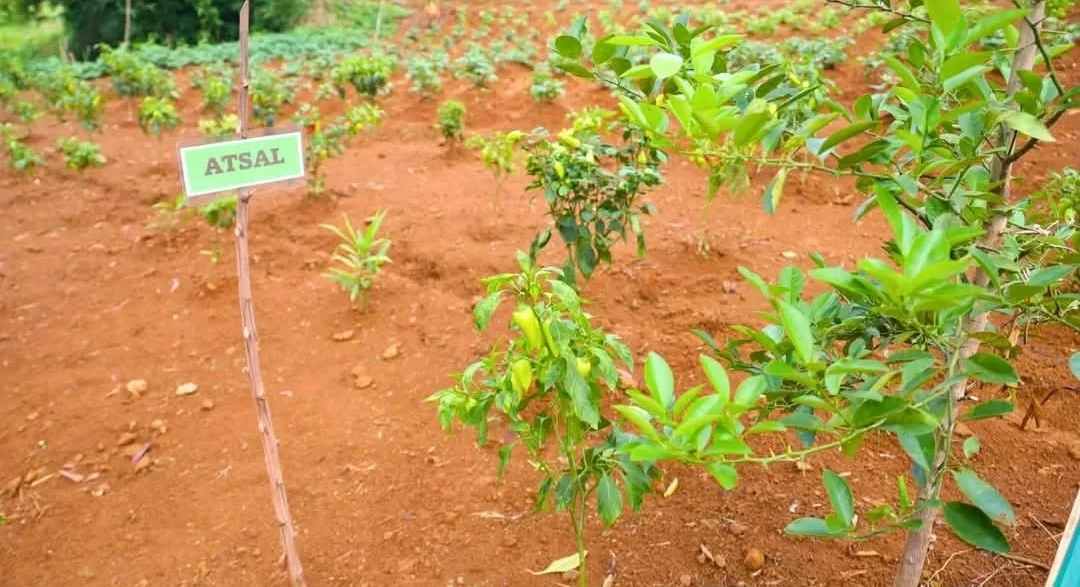
LIBJO, DINAGAT ISLANDS — A site visit on October 24, 2026, to Barangay Llamera assessed the progress of a Project LAWA at BINHI livelihood site run by the Llamera Farmers and Fisherfolks Association. The inspection covered the project's small farm reservoir, used for tilapia production, and its community-based garden, where residents grow assorted vegetables. The visit was led by the DSWD Secretary, accompanied by assistant secretaries, the Caraga regional director and assistant regional director for operations, the municipal mayor of Libjo, and other local officials.
From Grant to Earned Income
The project was supported by a total grant of PHP391,500 covering 45 beneficiaries under the Cash-for-Training and Cash-for-Work components. As of October 2026, it had generated approximately PHP120,000 in income from the sale of tilapia and vegetables, a figure that marks the shift from grant-funded construction to self-sustaining production. The reservoir addresses irrigation and water access while supplying fish, and the garden provides a steady harvest for household consumption and local sale. The income is being used to maintain operations and support the households involved.
A Model Built for Island Conditions
Project LAWA at BINHI, which stands for Local Adaptation to Water Access and Breaking Insufficiency through Nutritious Harvest for the Impoverished, operates under the DSWD's Risk Resiliency Program. Its design targets two constraints facing disaster-vulnerable island communities at once: limited water access and food insecurity. By combining water infrastructure with communal food production, the program gives residents the means to grow and sell their own supply rather than depend on external assistance. The Llamera site has moved into value-added activity as well, with beneficiaries exploring dried tilapia production to extend shelf life and expand market reach.