


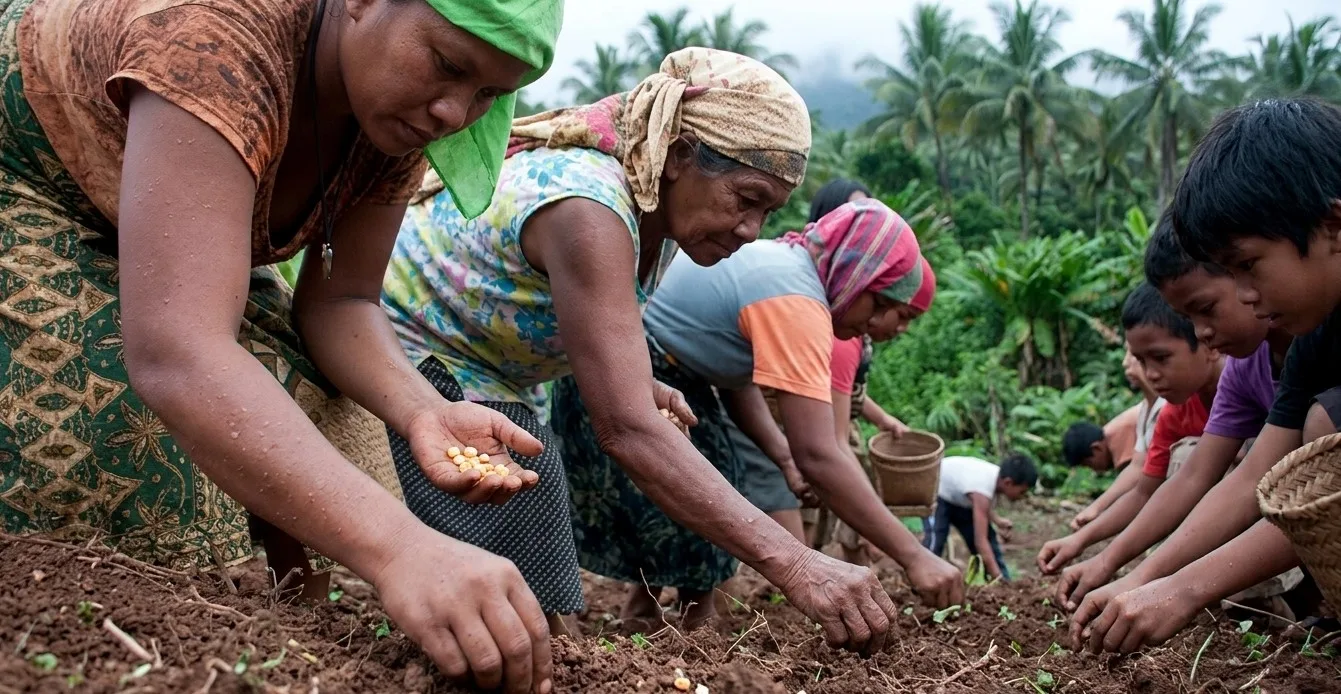
Early Hours, Everyday Food Needs
OZAMIZ CITY- For families managing tight household budgets, planning meals is a daily responsibility that begins long before food reaches the table. The supplied reference highlights Walang Gutom Program beneficiaries in connection with an early-morning HAPAG activity in Ozamiz City, although the exact activity details could not be independently confirmed. The broader purpose of food-support initiatives is to help eligible households obtain food while strengthening their understanding of nutritious choices. In a community setting, activities involving food preparation or gardening can also provide opportunities to share practical knowledge. These efforts are most useful when they respond to the actual needs and resources of participating families.
Making Nutrition Part of the Assistance
The DSWD's Walang Gutom Program provides eligible beneficiaries with ₱3,000 in monthly food credits through an electronic benefit transfer system, which can be used to purchase eligible food items from accredited retailers. The department also incorporates Kalusugan, Kakayahan, at Kabuhayan (3K) sessions covering nutrition, healthy food choices, and livelihood-related learning. These sessions help connect food assistance with knowledge that families can apply when planning meals and managing household resources. The program's emphasis on nutrition is relevant to community food initiatives such as HAPAG, although the specific relationship between the Ozamiz activity and the 3K sessions remains unverified.
Community Participation Can Strengthen Food Security
Food security becomes a shared concern when families, community organizations, and service providers work to improve access to nutritious meals. Community food activities may offer practical ways to discuss meal planning, food preparation, and the use of available ingredients, depending on the activity being conducted. For beneficiaries in Ozamiz City, understanding the assistance available through the Walang Gutom Program can help them make informed choices about eligible food purchases and program requirements. The DSWD's national program information provides a reliable starting point for understanding these benefits, while the original local announcement is needed to establish what participants specifically did during the HAPAG activity. Keeping those details accurate ensures that the story recognizes the community's efforts without overstating the event's results.
