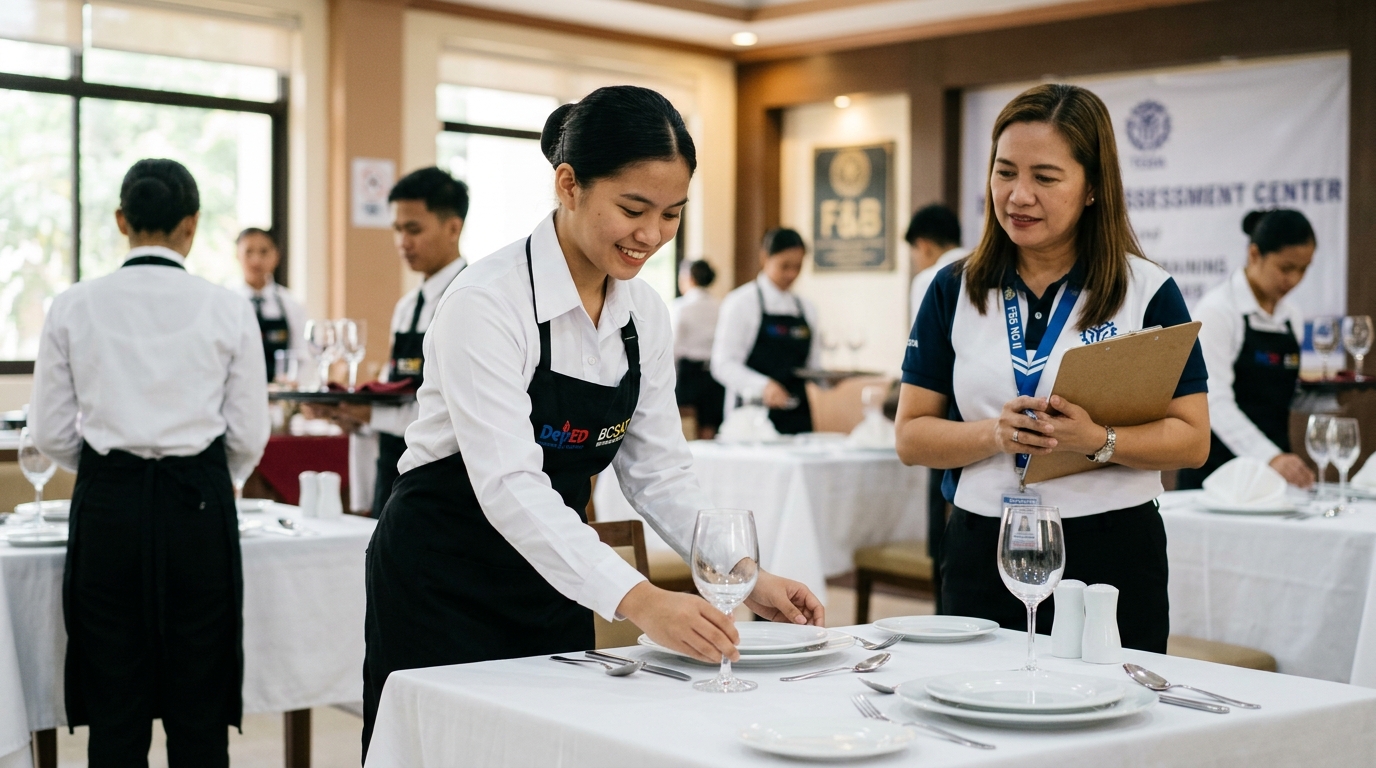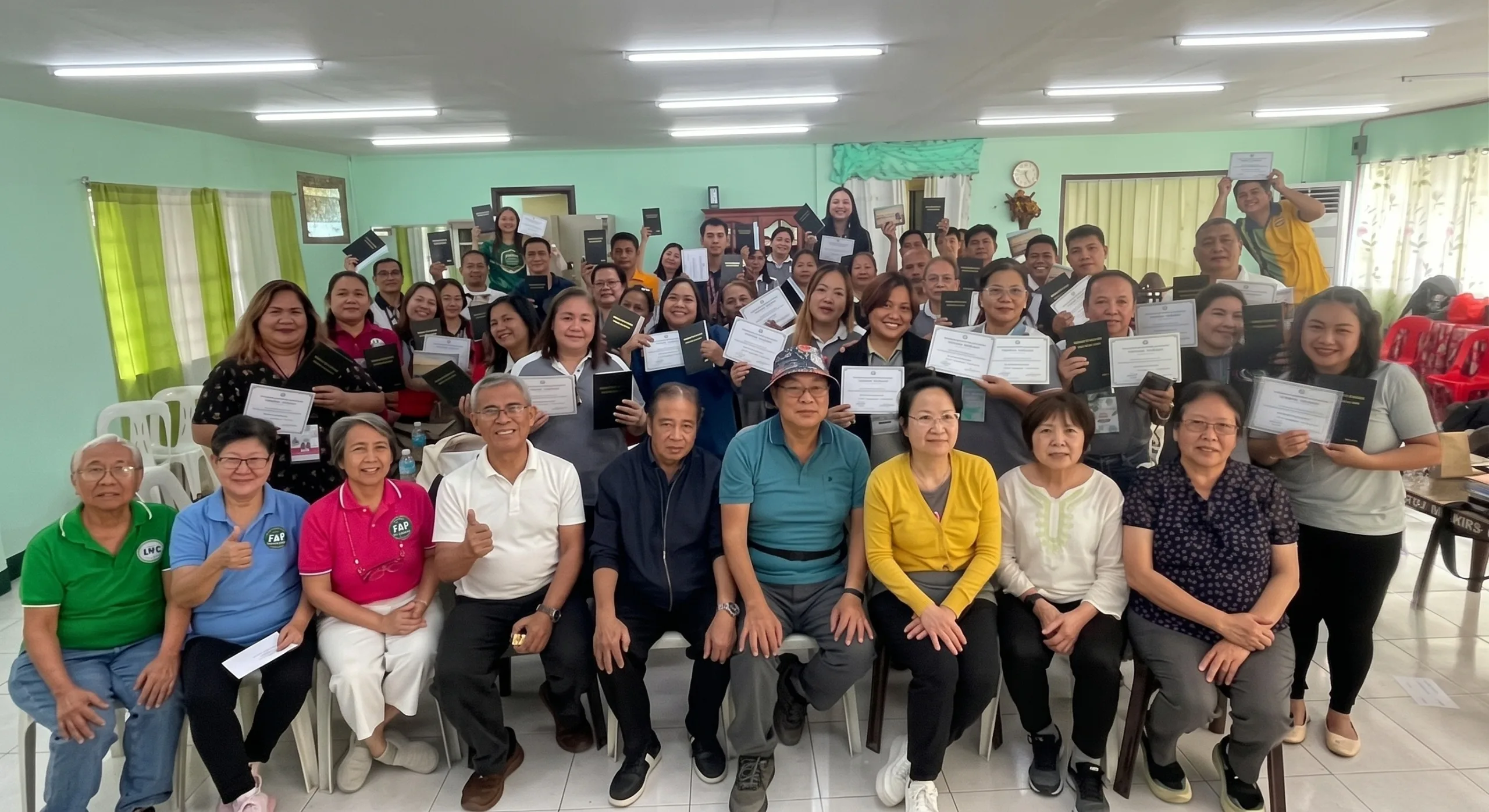
BISLIG CITY — A two-hour Kinamayú Language Seminar recently gathered participants in Bislig City to learn, read, and write in Kinamayú, a language spoken by the Kamayú people across Surigao del Sur, including Barobo, Bislig, Hinatuan, Lianga, Lingig, Marihatag, and Tagbina. The seminar was more than a language lesson; it was a deliberate act of cultural preservation, as participants turned words into knowledge to keep the language alive. The Kinamayú language is currently classified as “Vigorous” by Ethnologue, meaning it is still spoken and used across a portion of its traditional territory. However, the vitality of any language depends on its transmission to younger generations. As the seminar reminded participants, a language lives only when its people continue to speak, read, write, and share it. Passing Kinamayú to the youth is essential because language is the vessel that carries identity, values, and collective memory across time.
Why the New Generation Must Carry the Language Forward
For the younger generation, learning Kinamayú is a way of reconnecting with their roots and understanding the cultural heritage of the Kamayú people. The language is part of a broader Austronesian family and shares close genetic ties with Mansaka and Mandaya, reflecting the deep history of the region. When young people lose their native tongue, they risk losing the stories, traditions, and worldviews that have been passed down through generations. Language preservation efforts, such as the development of an official Kinamayú orthography and its use in educational materials, are critical steps in reversing language shift and ensuring that the language remains relevant in modern life. By participating in seminars and using the language in daily conversations, the youth become active stewards of their heritage rather than passive observers of its decline. The future of Kinamayú depends on their willingness to speak it, teach it, and pass it on, ensuring that the language continues to thrive for generations to come.