As the world observes Labor Day, a significant portion of the global workforce, particularly millions of Filipinos, continues their tireless grind, embodying the sentiment that for them, work truly does not rest. This reality extends from essential workers in the Philippines to the vast network of Overseas Filipino Workers (OFWs) who power economies across the globe, often sacrificing holidays and personal time to secure their families' futures.
The Unresting Pulse of Essential Services and Global Remittances
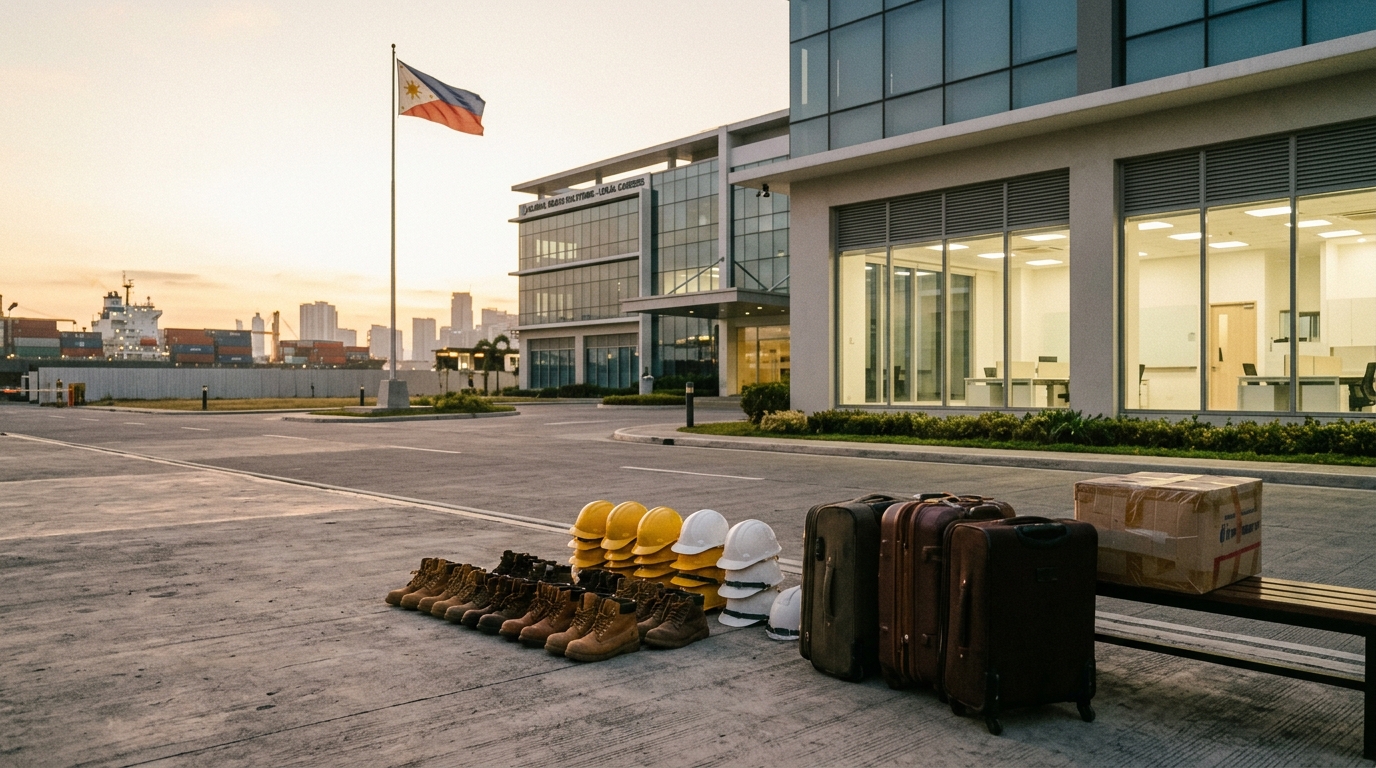
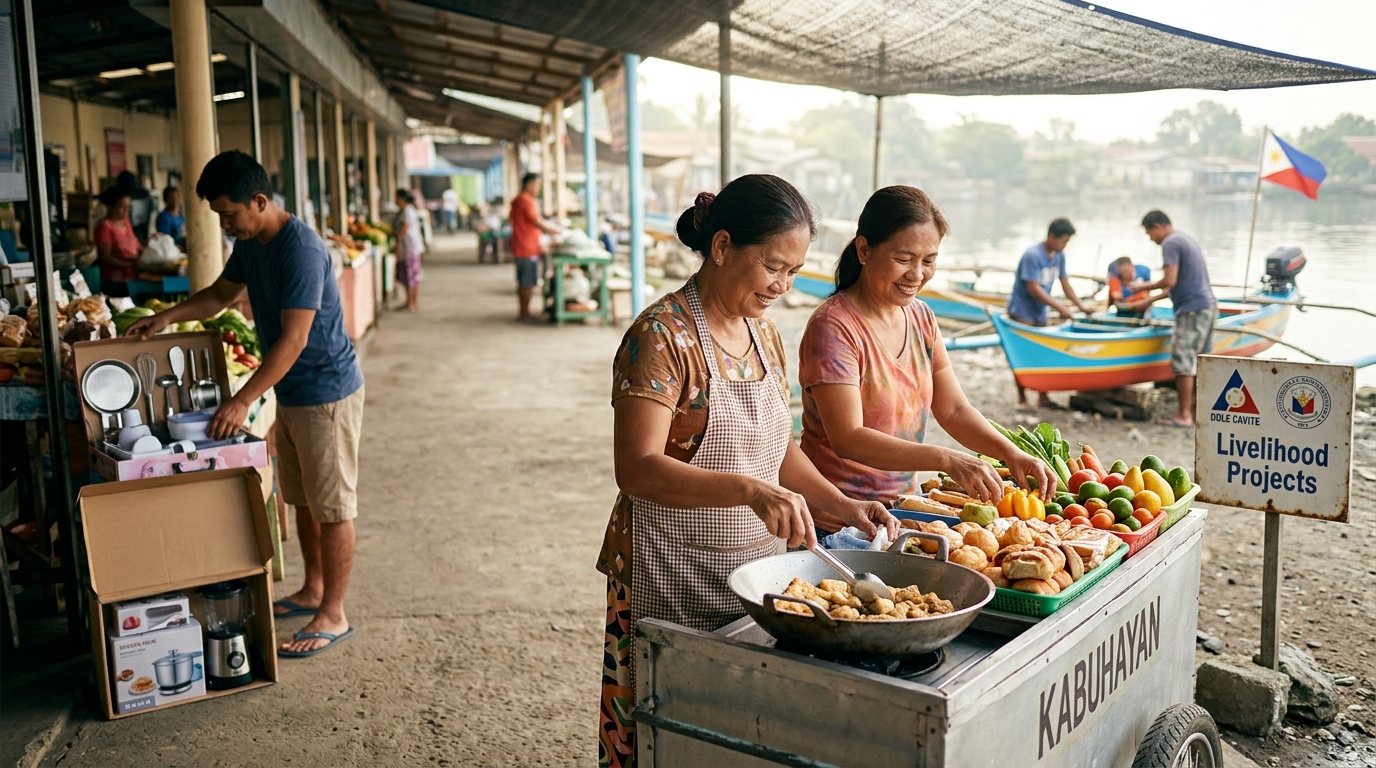
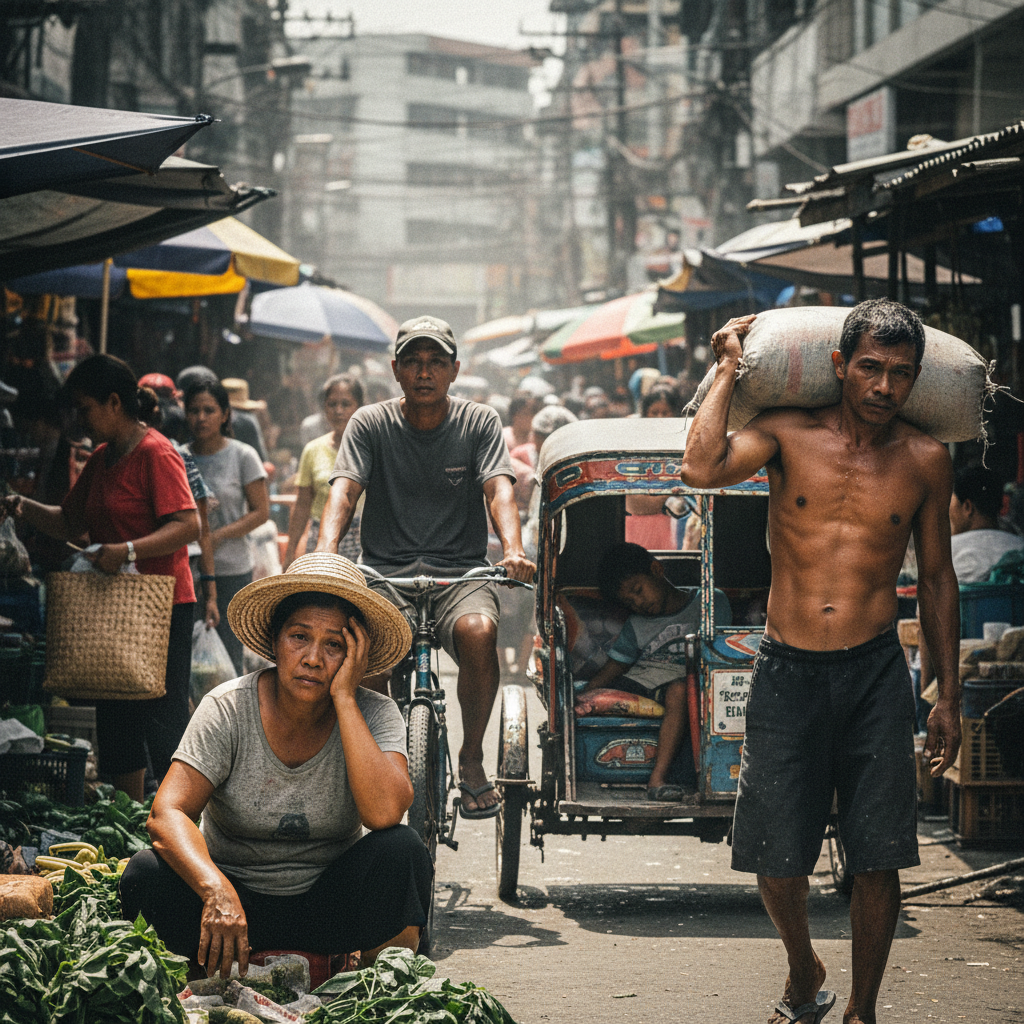
The inherent nature of their professions, coupled with pressing economic responsibilities, means that statutory holidays often become just another workday. This continuous cycle of labor is deeply rooted in the economic landscape that drives many Filipinos to seek opportunities abroad or take on demanding roles domestically. For OFWs, working through holidays is a common practice, driven by contractual obligations, higher pay rates for holiday work, and the sheer distance from home that makes traditional holiday celebrations impractical. Their dedication ensures a steady flow of remittances, a critical lifeline for countless families and a pillar of the Philippine economy. Domestically, essential service providers, healthcare workers, and those in the informal sector often have no choice but to work, ensuring that vital services continue uninterrupted.
The Human and Social Cost of Dedication
The relentless work ethic of the Filipino workforce, while a source of national pride and economic stability, carries profound implications. On one hand, it underscores the resilience and dedication of individuals striving for a better life. On the other, it raises concerns about work-life balance, mental health, and the social cost of prolonged separation for OFW families. The consistent inflow of remittances, which reached billions of US dollars annually, directly supports education, housing, and healthcare for families in the Philippines, insulating them from economic shocks. However, this comes at the expense of family time and the personal well-being of the laborers themselves.
Empowerment and Protections for the Workforce
For Filipinos, both at home and abroad, understanding the broader context of their labor is crucial. Their contributions are not merely individual efforts but collective forces shaping national development and global industries. Advocates continue to push for stronger labor protections, fair wages, and access to support systems that address the unique challenges faced by those who work tirelessly, even on holidays. Recognizing the sacrifices made by these workers is paramount, as is ensuring that policies are in place to safeguard their rights, promote their welfare, and acknowledge their indispensable role in sustaining families and the national economy.