The world is officially looking to the Philippines as the ultimate blueprint for protecting citizens abroad. During the high-level diplomatic sessions held between April 25 and 27, 2026, international leaders gathered in Nairobi and Manila to study how our country successfully guards the rights of millions of OFWs. This global recognition elevates the "Filipino Brand" from mere labor providers to world-class pioneers in human rights and migration policy.
Exporting the Pinoy Protection Model
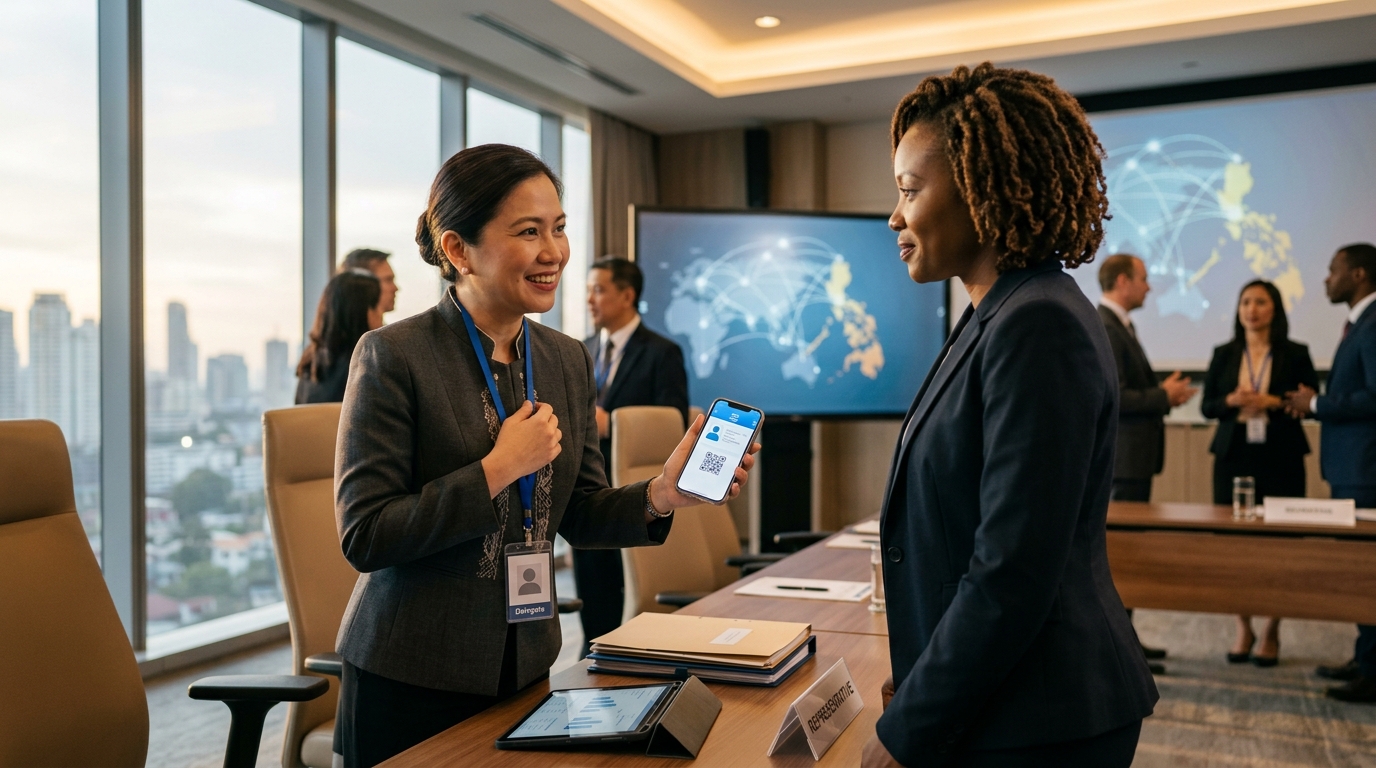
Ambassador Marie Charlotte Tang recently concluded a strategic session in Nairobi where East African nations, including Kenya, expressed their intent to fully replicate the Philippine labor governance framework. These countries have spent the last few days studying our ethical recruitment laws and the way the DMW manages the entire "migration cycle" from departure to reintegration. By sharing these "best practices," the Philippines is not just helping its own people but is actively shaping international laws to be more migrant-centered. This leadership role ensures that global standards for domestic and skilled workers are being raised to meet Filipino expectations.
The 2026 Digital Safety Bubble
A major highlight presented during the April 27 progress reports was the successful global rollout of the "Digital Skills Passport" and the integrated PhilSys ID for migrant workers. This technology allows OFWs in any corner of the globe to verify their credentials and access government assistance in real-time without visiting a physical embassy. UN representatives noted that this digital infrastructure has significantly slashed cases of illegal recruitment and contract substitution by providing a transparent paper trail. For the 2026 diaspora, this means their protection is now as mobile as their smartphones, offering a literal "safety bubble" across borders.
Building Just and Inclusive Communities
The Philippines’ partnership with the Holy See was also a key focus this weekend, aiming to humanize the migration experience and treat OFWs as "citizens of the world." This diplomatic push advocates for the inclusion of Filipino workers in the local social security and healthcare systems of their host countries, rather than treating them as temporary visitors. President Marcos Jr. emphasized that this "rights-based approach" is the cornerstone of the 2026 Bagong Pilipinas agenda. By securing these high-level commitments, the government ensures that every Filipino abroad is treated with the same dignity and respect they would receive at home.