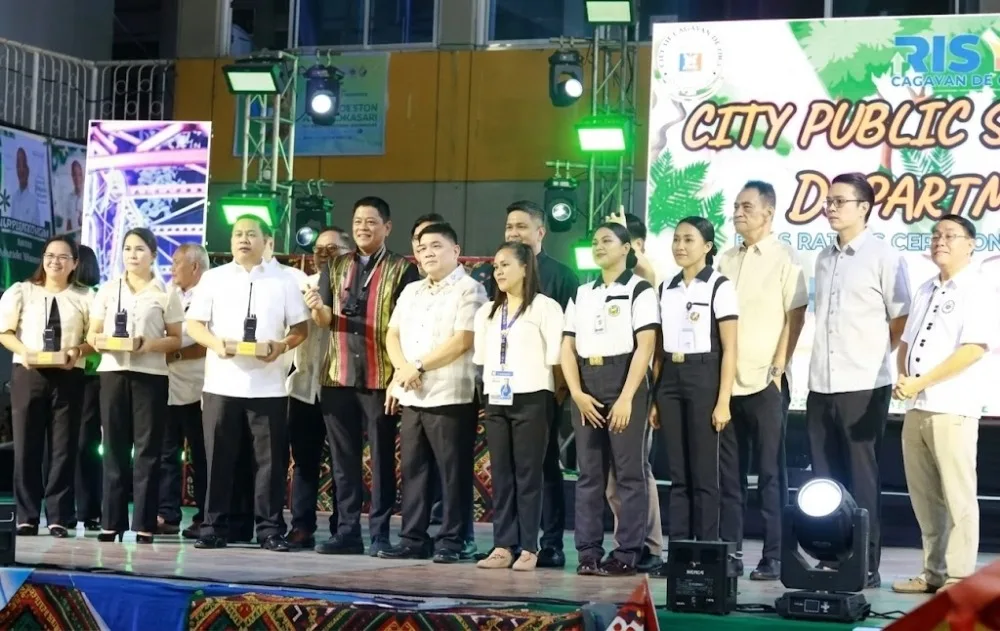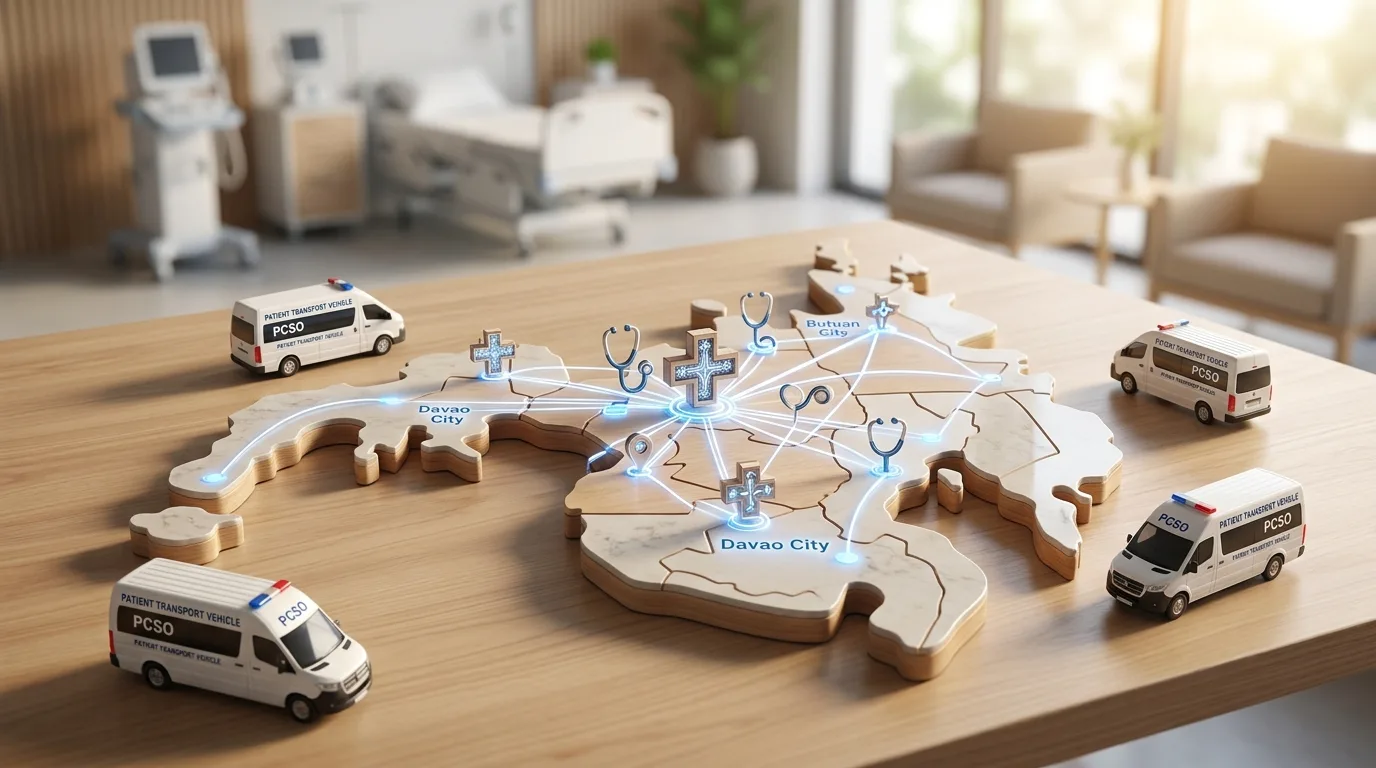
Davao — The healthcare mobility landscape in Mindanao received a significant boost this week as the Philippine Charity Sweepstakes Office (PCSO) turned over dozens of new Patient Transport Vehicles (PTVs) to selected local government units. The handover ceremony, held on July 7, 2026, at the Libertad Sports Complex, marks a concerted effort by the administration to minimize the barriers between remote barangays and urban medical centers. These specialized vehicles are equipped to handle emergency transit, ensuring that patients in need of urgent care—regardless of their location—can reach hospitals like the Southern Philippines Medical Center with speed and safety. This rollout is a critical component of the national directive to institutionalize faster medical response times for vulnerable citizens.
Bridging the Gap to Essential Care
For communities operating far from major provincial hospitals, the arrival of these transport vehicles is more than just a logistical upgrade; it is a lifeline. Many barangays have historically struggled with the limited availability of specialized vehicles to transport patients suffering from critical health conditions. By streamlining the patient transport process, the PCSO is directly contributing to better clinical outcomes for residents who were previously isolated from specialized care. The initiative reflects a shift toward providing tangible, ground-level resources that translate charity funds into immediate public welfare.
Modernizing Emergency Response Infrastructure
The integration of these PTVs into the local emergency network allows city and provincial health offices to standardize their response protocols across different districts. Each vehicle serves as a mobile unit capable of basic patient monitoring during transit, reducing the vulnerability of patients being moved from remote areas to advanced medical facilities. This is an essential step in modernizing the regional response chain, ensuring that local health offices are no longer solely dependent on repurposed or substandard transport. By upgrading the quality of these vehicles, the government is building a more robust safety net that functions reliably during health emergencies.
Commitment to Institutionalized Support
The continuous rollout of this program highlights the commitment to making government medical assistance more accessible through programs like the Malasakit Centers. By decentralizing the tools required for patient transport, the PCSO empowers local leaders to take a more proactive role in managing the health of their constituents. This sustained investment in mobile healthcare is expected to create a more resilient system that can withstand future public health challenges. As these units are deployed, local health departments are encouraged to maintain strict vehicle service schedules to ensure they remain in operation for years to come.