


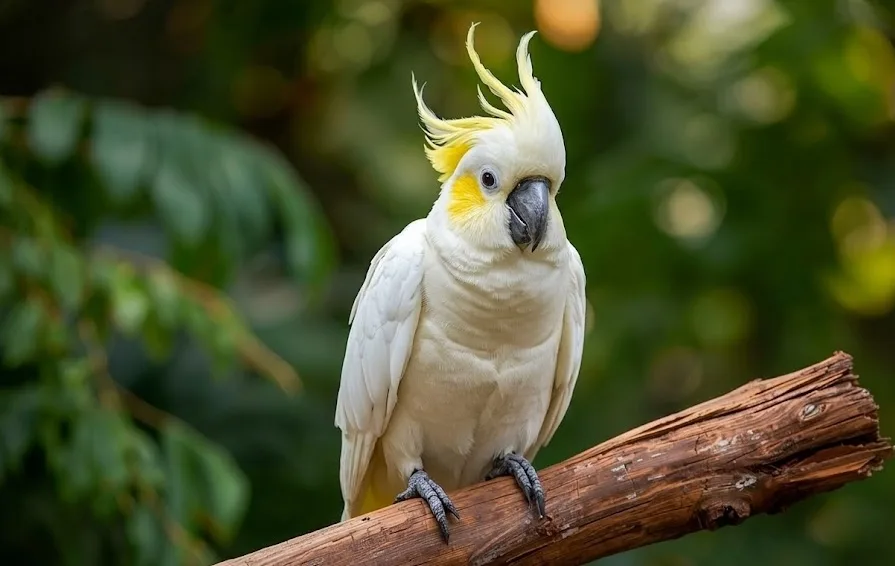
Every Rescue Preserves More Than One Species
GENERAL SANTOS CITY - Illegal wildlife trafficking threatens ecosystems by removing animals from their natural habitats and disrupting breeding populations. During the operation in General Santos City, authorities recovered numerous protected species, including hornbills, cockatoos, reptiles, and other wildlife covered by conservation laws. Some animals had already suffered from the conditions of illegal transport, demonstrating the risks associated with wildlife smuggling. Each rescued animal represents more than an individual life—it helps preserve the genetic diversity and ecological balance that many native species depend upon for long-term survival across the region.
A Shared Responsibility Across Borders
Many endangered animals involved in illegal wildlife trade originate from different parts of Southeast Asia, making conservation an international concern rather than a local issue. Wildlife trafficking networks often move protected species across provincial and national boundaries to meet demand in illegal markets. By intercepting the shipment in General Santos City, authorities prevented additional losses to already vulnerable wildlife populations. The operation illustrates how local enforcement contributes to broader conservation efforts, supporting international commitments to protect threatened species and discourage the illegal trade that places biodiversity at risk.
Conservation Continues After the Rescue
Recovering wildlife is only the beginning of conservation work. Rescued animals require careful assessment, veterinary care when necessary, and appropriate placement under the supervision of environmental authorities. Successful enforcement also raises public awareness about the importance of respecting wildlife protection laws and discourages participation in the illegal wildlife trade. The General Santos City operation demonstrates that conservation is strengthened when government agencies and communities work together. Every rescued species serves as a reminder that protecting biodiversity today helps ensure that future generations will continue to share the region with its unique and irreplaceable wildlife.
