A Tradition of Participation
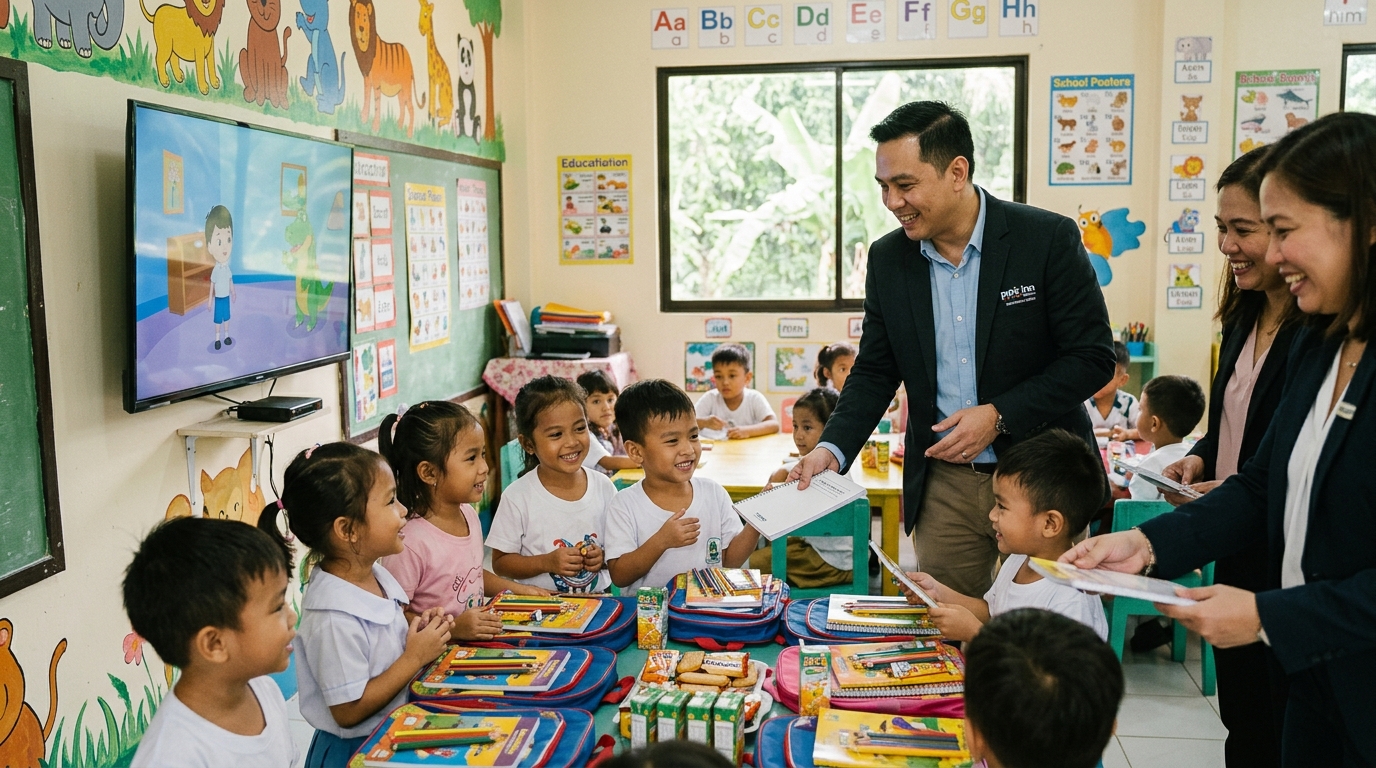
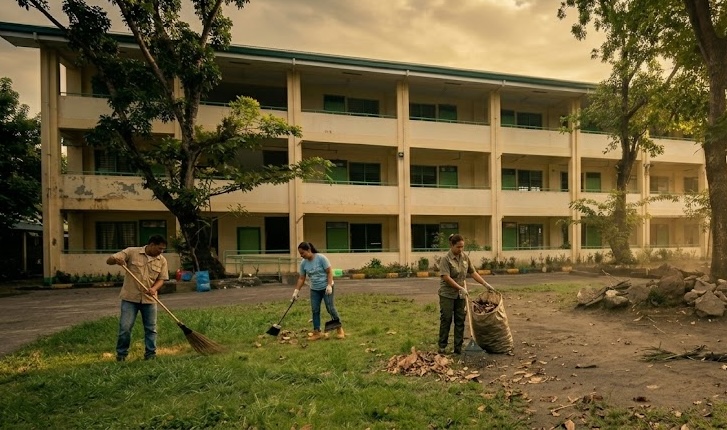
OZAMIZ CITY - Every year, Brigada Eskwela transforms schools into gathering points for volunteers. Classrooms are cleaned, facilities are repaired, and learning spaces receive attention before students return. While the activity focuses on physical preparation, its significance extends beyond maintenance work. It creates opportunities for residents, organizations, and stakeholders to contribute directly to educational environments. The participation of diverse groups reflects a longstanding culture of cooperation found in many communities. Such efforts remind observers that educational success is influenced not only by teachers and students but also by collective support from the wider community.
Small Actions, Lasting Impact
Community projects often succeed because many people contribute small efforts toward a larger objective. Activities such as repainting classrooms, organizing supplies, and improving school surroundings may appear simple individually. Together, however, they help create more welcoming spaces for learning. These initiatives also encourage interaction among participants who may not otherwise work together. Parents become more familiar with school needs, while volunteers gain a greater understanding of educational challenges. Through practical cooperation, schools become shared community spaces rather than facilities used only during class hours.
Why Community Engagement Still Matters
In an era dominated by digital communication, face-to-face volunteer activities continue to hold unique value. They encourage collaboration, strengthen relationships, and foster a sense of responsibility toward local institutions. Brigada Eskwela remains relevant because it combines practical improvements with community participation. The program demonstrates that meaningful contributions do not always require large budgets or complex projects. Sometimes, collective effort alone can create positive outcomes. In Ozamiz City, activities connected to school preparation continue to highlight the role ordinary citizens play in supporting educational environments.