


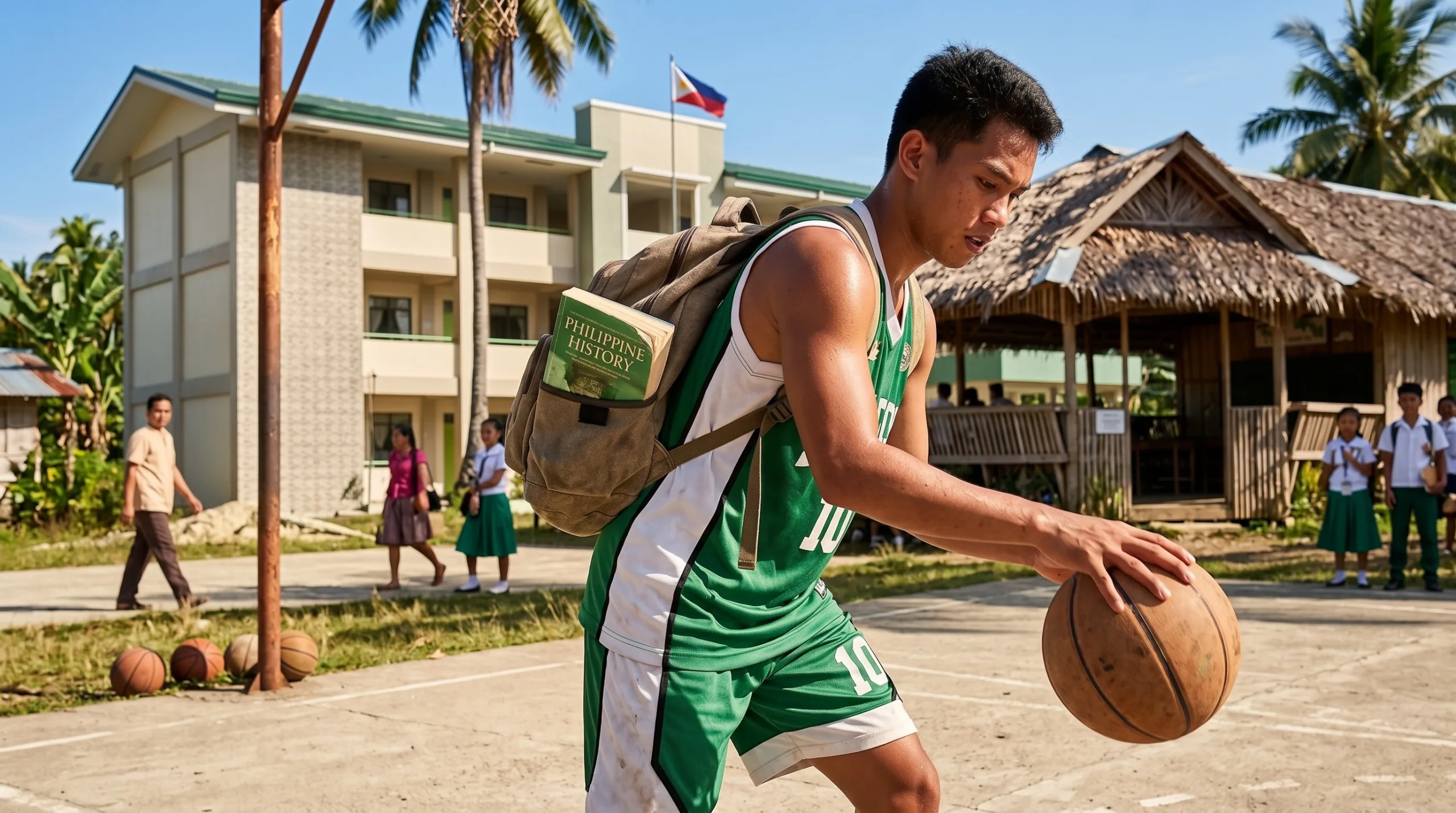
Build a Training Schedule Around Daily Responsibilities
BOHOL - One of the most effective ways to balance sports with school or work is to create a schedule that reflects actual daily commitments. Student-athletes may need to coordinate practice around classes and examinations, while employed athletes can explore training sessions before or after working hours. Planning ahead also helps athletes prepare for competitions without leaving important assignments or responsibilities until the last minute. In Bohol, athletes involved in school teams, community leagues, or provincial competitions can benefit from coordinating their schedules with coaches and other people involved in their development. A realistic routine is often more sustainable than trying to fit intensive training into every available hour.
Protect Recovery, Sleep, and Personal Well-Being
Training consistently is important, but progress also depends on allowing the body and mind enough time to recover. Athletes who combine practice with school or work may be tempted to sacrifice sleep or skip meals when schedules become demanding. Over time, insufficient recovery can affect concentration, motivation, and athletic performance. Building time for adequate sleep, balanced meals, hydration, and rest can help athletes manage their responsibilities more effectively. Coaches and families can also help by recognizing signs of excessive fatigue and encouraging athletes to communicate when their workload becomes difficult to manage.
Rely on Support and Set Clear Priorities
Athletes do not have to manage every responsibility alone. Teachers may help student-athletes understand assignment deadlines, employers may consider scheduling needs where possible, and coaches can adjust training plans during particularly demanding academic or work periods. Family members can provide encouragement and practical assistance, while teammates can help athletes stay motivated and accountable. For young athletes in Bohol, local sports programs and school-based activities can provide opportunities to develop discipline, teamwork, and leadership alongside athletic skills. By setting clear priorities and maintaining open communication, athletes can pursue their sporting goals while continuing to build their education, careers, and future opportunities.
