


Choose Furniture That Lasts Longer
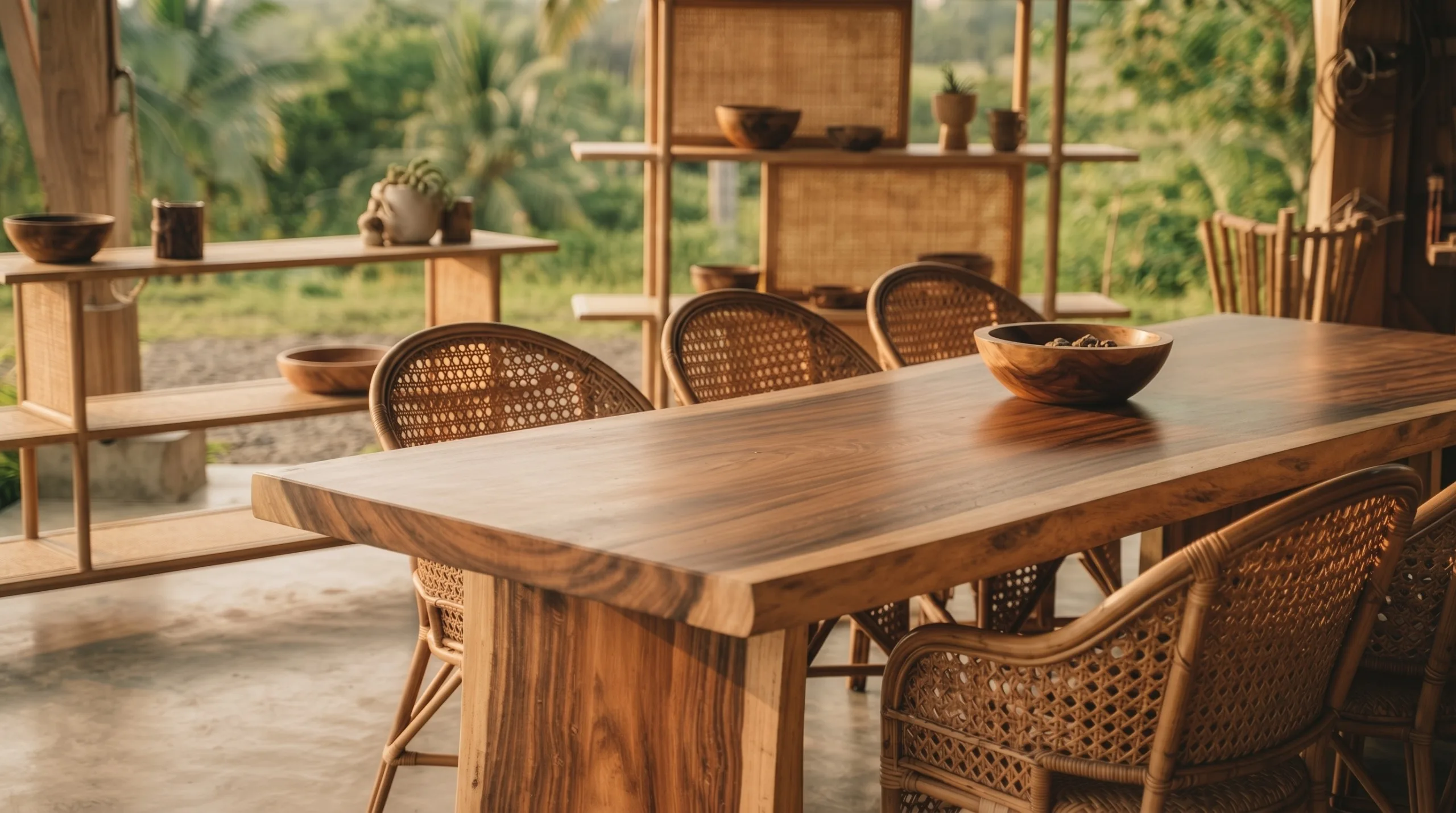
BOHOL - One of the simplest ways to reduce household waste is to choose furniture built for regular use rather than frequent replacement. Sturdy construction, durable materials, replaceable hardware, and timeless designs can help tables, beds, chairs, and cabinets remain useful for many years. Homeowners should consider how furniture will fit their needs as their households change, particularly when selecting expensive or bulky pieces. Although durable furniture may require a larger initial investment, keeping it longer can reduce the need for repeated purchases and limit the amount of discarded material generated over time.
Give Old Furniture a Second Life
Furniture that no longer suits a household does not always need to be thrown away. A wooden cabinet can be refinished, an old table can receive a new surface, and a sturdy chair may only need replacement parts or minor repairs. Items that remain usable can also be sold, donated, or passed on to relatives and neighbors who need them. In Bohol communities, these practices can help extend the useful life of household goods while making functional furniture available to more people. Before discarding an item, homeowners can assess whether repairing, repurposing, or transferring it would be a practical alternative.
Consider Reclaimed and Responsibly Sourced Materials
Furniture made from reclaimed wood, reused components, or responsibly sourced materials can help reduce demand for newly extracted resources when these options are suitable and well made. Homeowners may also explore locally crafted pieces that can be repaired by nearby furniture makers, reducing the difficulty of finding replacement parts or arranging maintenance. When purchasing furniture, it is useful to ask about material origins, construction quality, finishes, and repair options instead of relying on environmental labels alone. By prioritizing useful design, responsible sourcing, and long-term care, households can furnish their homes in ways that support waste reduction without sacrificing comfort or function.
