


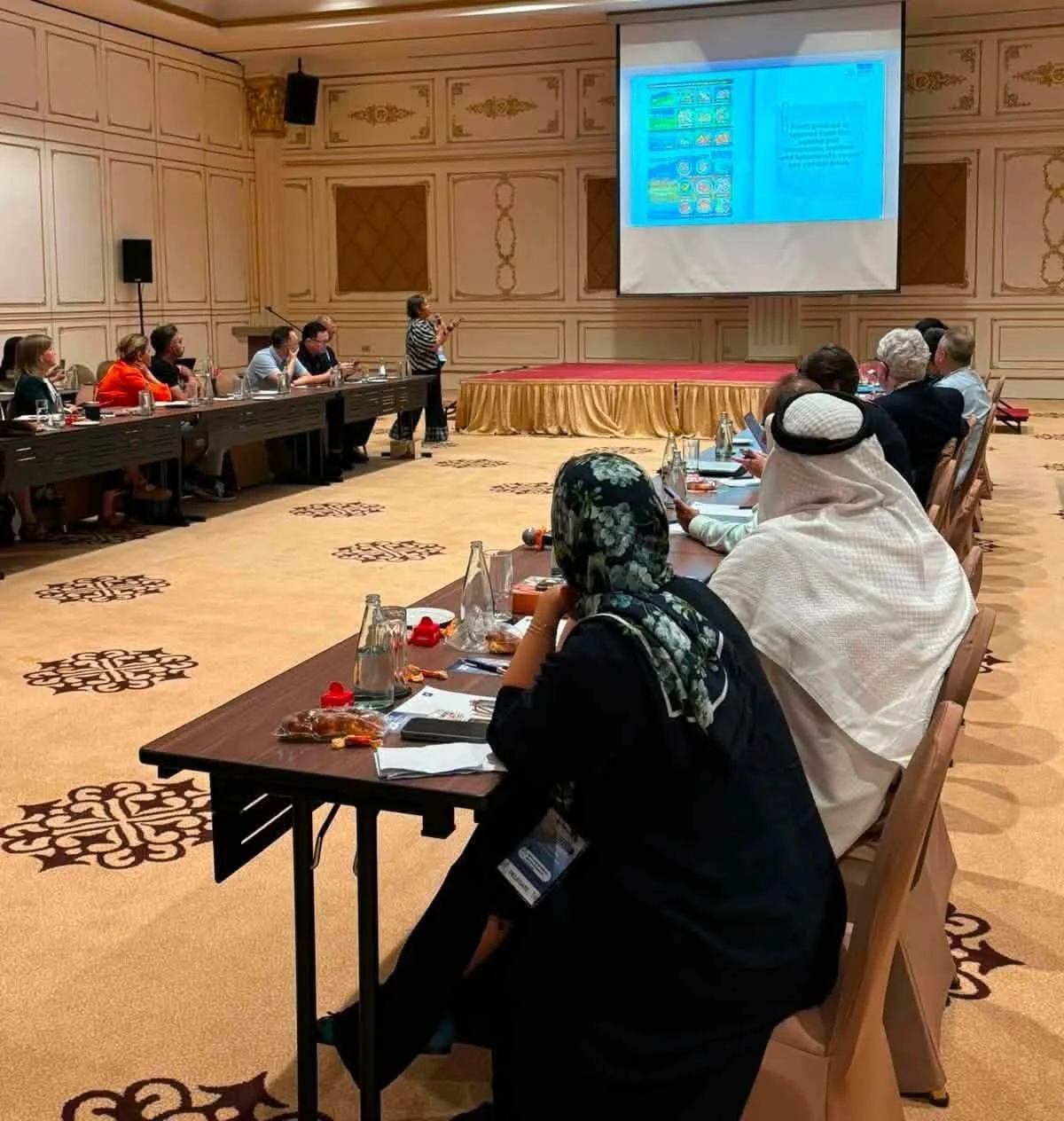
ILOILO — Iloilo City took center stage at the UNESCO Creative Cities of Gastronomy Best Practices Presentation, becoming the first to present its successful hosting of Filipino Food Month 2026. The city showed how its culinary heritage fuels community growth, cultural pride, and partnerships across borders.
A Spotlight on Iloilo’s Culinary Leadership
Selected among only ten Creative Cities of Gastronomy worldwide to submit best practice proposals, Iloilo delivered the opening presentation at the Kuching Festival Fair 2026 in Sarawak, Malaysia. The city’s delegation shared how the month-long April celebration turned food into a tool for sustainable development. The presentation emphasized collaboration with local farmers, food entrepreneurs, and regional partners.
The initiative, anchored on the theme “Connected by Taste: Filipino Food in the Flavors of ASEAN,” wove together Ilonggo traditions and shared Southeast Asian culinary roots. Visitors learned how Iloilo’s food culture is built on four pillars: freshness from farms and seas, simplicity that lets ingredients shine, love expressed through cooking, and joy in shared meals. These values shaped every event and partnership during the celebration.
A Feast of Activities and Economic Impact
Filipino Food Month 2026 brought a surge of gastronomic events to Iloilo. The city hosted over 30 major activities, including the Iloilo Gastronomy Symposium, GastroCon Iloilo, the Malikhaing Pinoy Expo, and the Ilonggo Creative Nanay Cook-Off. These gatherings drew chefs, students, and food lovers, generating business for more than 360 micro, small, and medium enterprises.
Heritage tours guided visitors through historic culinary hubs like the Celso Ledesma House and Casa Javelona, while the Calle Real Night Market buzzed with local flavors. The celebration directly supported farmers and fisherfolk, ensuring that economic growth reached grassroots producers. The city’s MICE Center reported that these events attracted over 56,000 visitors, proving that gastronomy is a powerful tourism engine.
Aligning with Global Goals
The presentation highlighted how Filipino Food Month contributes to multiple United Nations Sustainable Development Goals. Supporting local farmers addresses Zero Hunger (SDG 2), while creating jobs for food artisans and entrepreneurs promotes Decent Work and Economic Growth (SDG 8). The preservation of heritage food districts and promotion of responsible consumption align with SDG 11 and SDG 12, and cross-border partnerships reflect SDG 17.
The city worked closely with the National Commission for Culture and the Arts, the Department of Tourism, the Department of Agriculture, and fellow Philippine UNESCO Creative Cities including Baguio, Cebu, and Quezon City. The collaboration demonstrated that food can be a catalyst for inclusive development, cultural preservation, and international cooperation.
