


PHILIPPINES — The Department of Public Works and Highways is moving to make stormwater detention basins a mandatory requirement for private real estate developments nationwide. The policy shift, announced on October 22, 2026, aims to overhaul how property developers manage water and mitigate severe urban flooding across the country.
A New Blueprint for Flood Resilience
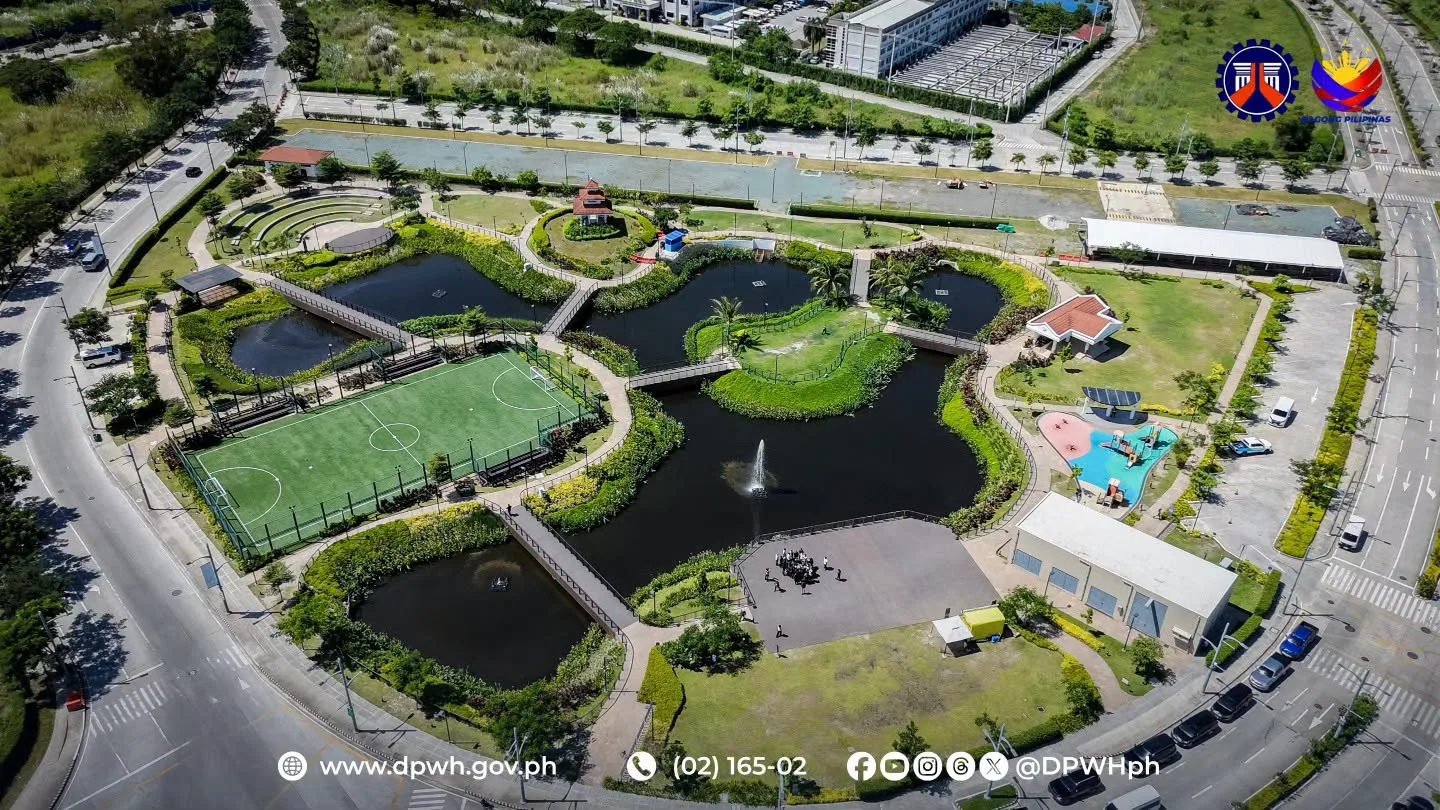
The policy proposal follows a recent inspection of Megaworld Corp.'s 15,000-cubic-meter rainwater park in San Fernando, Pampanga. Public Works Secretary Vince Dizon lauded the developer’s initiative, noting that the facility addresses flooding not just for its Capital Town township, but for the broader surrounding community as well.
“We need to move from reactive flood control to proactive water management,” Dizon stated. He emphasized that the Philippines faces a cycle of severe rainfall and dry spells, making it crucial to capture peak floodwaters during storms to prevent urban inundation. The proposal marks a significant shift in how real estate developments must integrate with national climate resilience strategies.
Expanding Capacity for Long-Term Sustainability
Megaworld plans to expand the facility's capacity by about 33 percent, aiming to increase storage from 15,000 to 20,000 cubic meters. This will be achieved by converting an underground detention structure to hold an additional 5,000 cubic meters of rainwater.
Stored rainwater will be utilized for non-potable recycling during severe dry spells or El Niño events. This dual-purpose approach ensures that developments not only protect surrounding areas from flooding but also contribute to long-term water security, a critical concern for many rapidly urbanizing regions in the Philippines.
Government Coordination and Nationwide Impact
Dizon confirmed that he has coordinated with the Department of Human Settlements and Urban Development to draft standard regulatory guidelines. These rules will require private property developers to integrate water retention structures into all new commercial and residential projects, updating existing building and land development codes.
The proposed policy is part of long-term structural reforms that Dizon will present directly to President Ferdinand Marcos Jr. The initiative aligns with the administration's broader push for sustainable urban planning and disaster risk reduction, especially as the country braces for the impacts of a very strong El Niño toward the end of the year.
A Model for Public Parks and Open Spaces
Beyond flood control, the Megaworld Rainwater Park is being positioned as a national model for public parks and open spaces. The move follows President Marcos Jr.'s directive to collaborate with the private sector to find various solutions for flood-prone areas and to ensure that detention basins are utilized for other beneficial purposes.
By integrating detention basins into public leisure spaces, the government hopes to encourage developers to view water management infrastructure as an opportunity to enhance community amenities. This approach transforms essential flood mitigation systems into vibrant, multi-functional environments that can be enjoyed by residents and visitors alike.
