


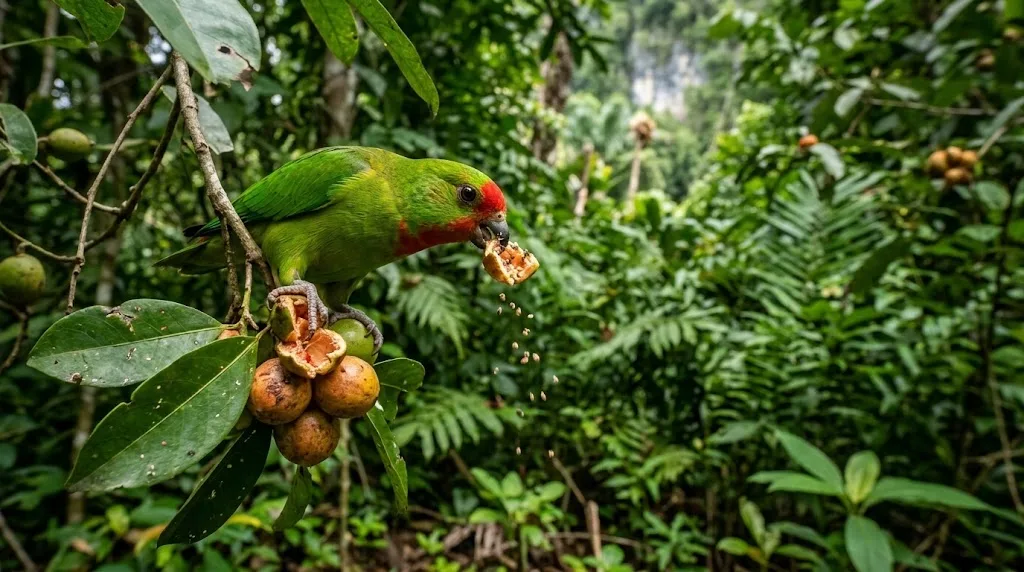
Wildlife That Carries Seeds From Place to Place
BOHOL - Several kinds of animals can help plants spread by carrying seeds through their feeding and movement habits. Fruit-eating birds may swallow fruits and later deposit their seeds in different locations through their droppings. Bats also feed on fruits and can transport seeds as they move between feeding areas and resting places. Some mammals contribute by carrying fruits or seeds away from parent plants. These natural activities allow plants to reach suitable growing areas beyond their original locations.
How Seed Dispersal Supports Natural Habitats
When seeds reach new locations, they have opportunities to grow into plants that provide food and shelter for other organisms. This process helps maintain vegetation in forests and other natural environments. It can also support the recovery of areas where plant cover has been reduced by natural disturbances or human activities. As trees and other plants develop, they provide additional resources for wildlife, creating a cycle in which animals and vegetation support one another.
Protecting the Animals That Help Forests Grow
The ability of wildlife to spread seeds depends on having healthy habitats where animals can find food, shelter, and safe places to move. Protecting forest patches, native fruit-bearing trees, and wildlife corridors can help maintain these ecological relationships. Avoiding unnecessary hunting and habitat destruction also gives seed-dispersing animals a better chance to survive. For Bohol, conserving wildlife means protecting not only individual species but also the natural processes that help forests and other ecosystems continue growing.
