


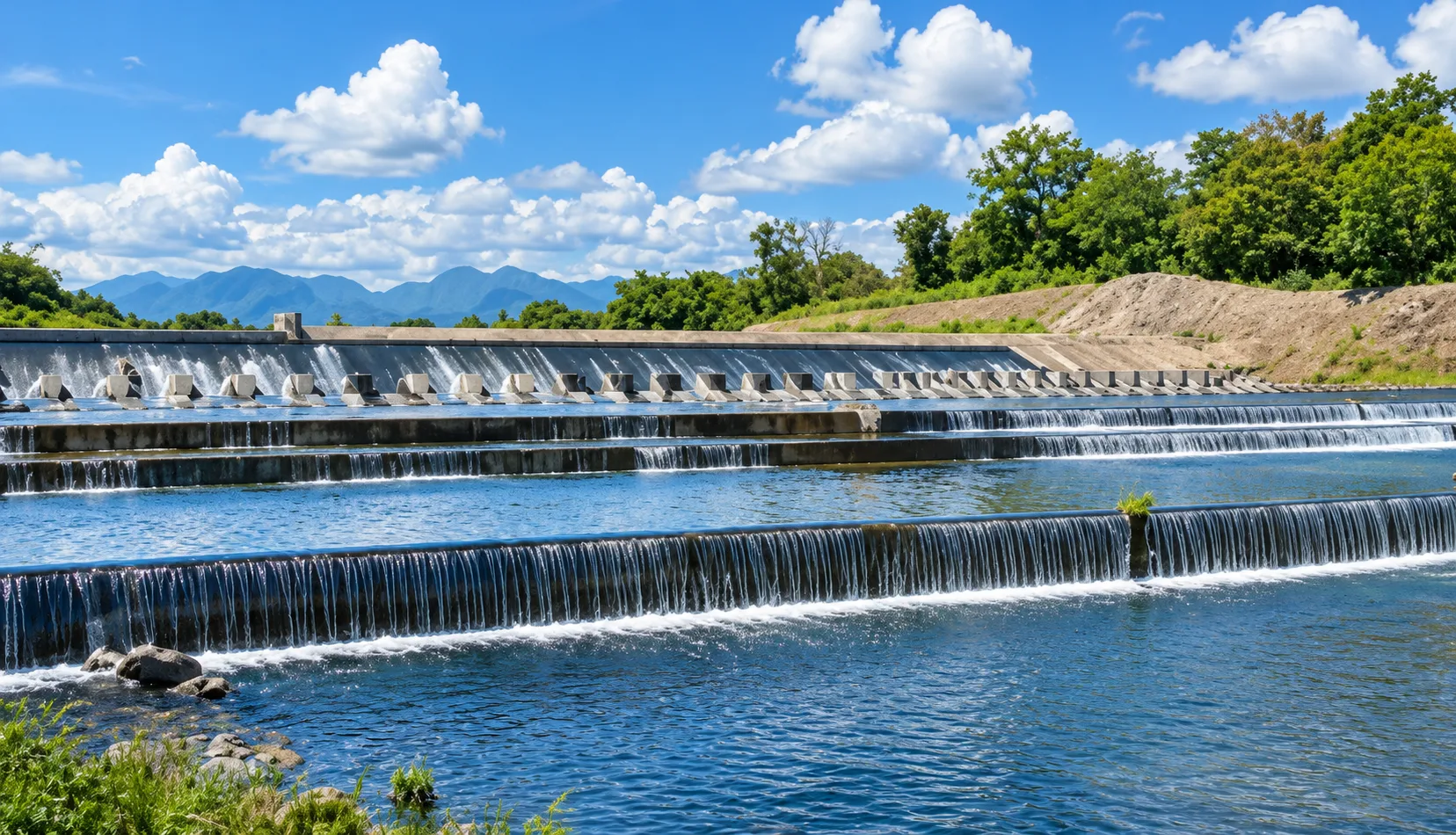
PALO, LEYTE — As the onset of a forecasted Super El Niño begins to take shape, the National Irrigation Administration in Eastern Visayas (NIA-8) has placed critical agricultural zones under strict water monitoring. With prolonged dry conditions threatening regional crop yields, agency officials are ramping up precautionary measures to safeguard the livelihood of local farming communities.
Six Leyte Irrigation Systems Register Below-Normal Levels
Entering October, NIA-8 reported that water supplies have already dropped below normal thresholds across six major irrigation systems in Leyte. The affected infrastructure includes:
Tingib Irrigation System (Pastrana)
Balire South River Irrigation System (Macarthur)
Gibugan Irrigation System (Mayorga)
Mainit River Irrigation System (Alangalang)
Pongso River Irrigation System (Barugo)
Bao River Irrigation System (Kananga)
The agency noted that prolonged rainfall deficits severely impact water availability, leaving rain-fed farms and irrigation networks with restricted supply particularly vulnerable to moisture stress.
Calling for Climate-Resilient Farming and Water Conservation
To mitigate potential agricultural losses, NIA-8 is proactively urging rice farmers across the province to adopt water-saving techniques and climate-adaptive practices. Growers are strongly encouraged to coordinate closely with local NIA offices regarding optimized irrigation schedules, prioritize limited water resources for critical crop growth stages, and maintain clean canals free of debris to maximize delivery efficiency.
As government agencies align regional mitigation frameworks—underscored by concurrent disaster preparedness dialogues across the Visayas—NIA-8 remains steadfast in protecting regional food security against the mounting challenges of changing weather patterns.
