


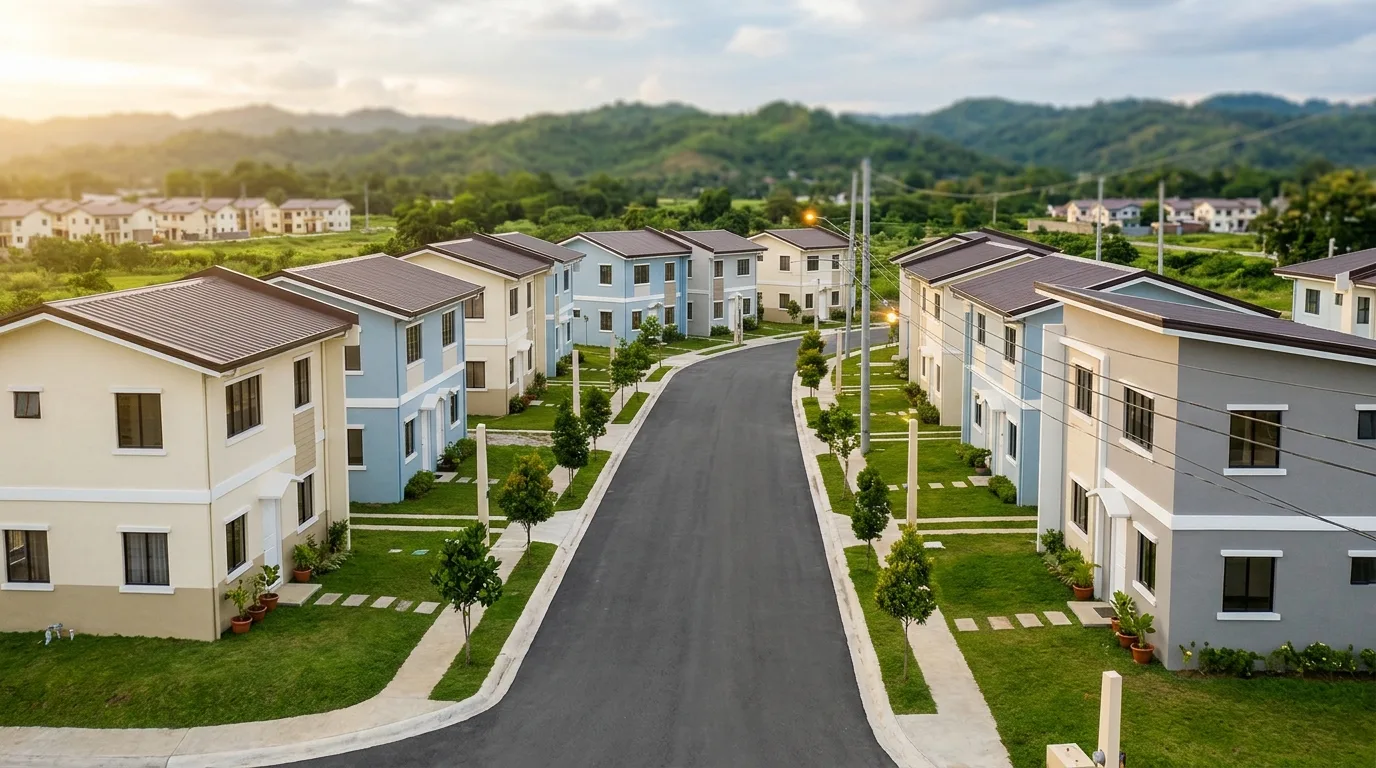
Pag-IBIG Fund has officially reported a robust performance for the first half of 2026, with home loan releases climbing to a staggering ₱69.19 billion. This marks a 15% increase compared to the ₱60.25 billion recorded during the same period in 2025, signaling a thriving housing market fueled by sustained demand. The agency successfully financed 43,051 housing units, representing a 9% year-on-year growth that highlights the effectiveness of current government housing initiatives.
Record-Breaking Support for Socialized Housing
A standout achievement during this period was the 118% surge in loan releases specifically for socialized housing, which reached a total of ₱6.70 billion. This massive increase enabled the financing of 6,601 socialized housing units, a 132% leap that reflects the government's aggressive push to provide affordable shelter for minimum wage earners. Department of Human Settlements and Urban Development Secretary Jose Ramon Aliling credited this momentum to the successful implementation of the Expanded Pambansang Pabahay para sa Pilipino Program. By streamlining access to these loans, the government is effectively bridging the gap for low-income members who have historically struggled to secure formal housing financing.
Expanding Accessibility Through Strategic Programs
To ensure that homeownership remains attainable for a wider segment of the population, Pag-IBIG Fund has rolled out several high-impact financing incentives. Eligible socialized housing borrowers continue to benefit from a highly subsidized 3% annual interest rate, while promotional rates of 4.5% for low-cost housing and 5.75% for open-market loans are driving broader market participation. Additionally, the increase of the maximum housing loan ceiling to ₱10 million has provided members with much-needed flexibility in their housing options. These measures are designed to compete directly with traditional rental costs, allowing families to transition into homeownership with monthly payments that are often more manageable than current market rent.
Commitment to Long-Term Housing Stability
Looking ahead, Pag-IBIG Fund CEO Marilene Acosta emphasized that the agency remains dedicated to scaling these services to meet the growing national demand for quality homes. The strategy is centered on maintaining a balance between financial sustainability for the fund and providing low-interest alternatives for the average Filipino worker. As the agency continues to refine its lending processes and foster partnerships with private developers, the impact of these policies is expected to ripple across the local economy. This sustained commitment to accessible housing not only improves individual quality of life but also reinforces the long-term stability of the real estate sector across the entire country.
