


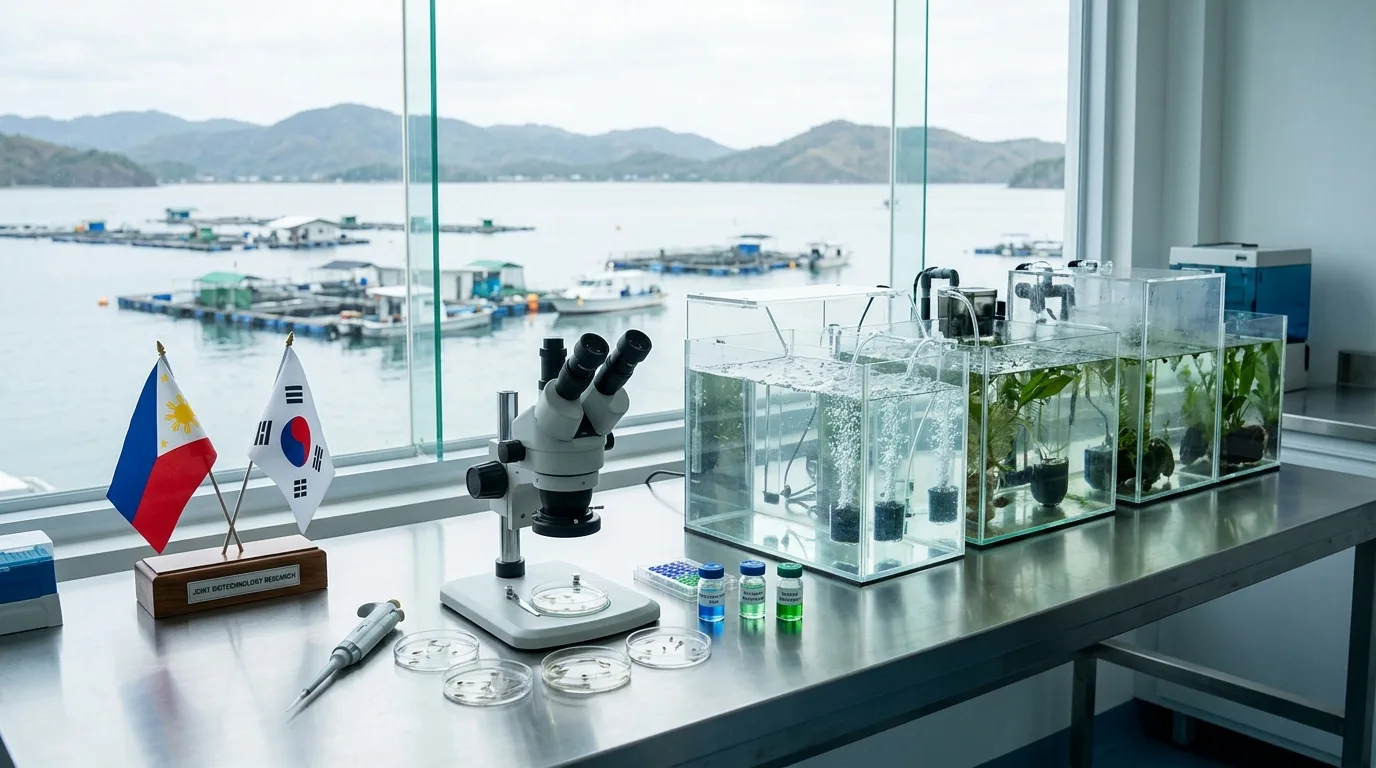
The Philippines and South Korea have officially joined forces in a significant partnership aimed at boosting fisheries biotechnology research, as reported by Inquirer.net. This collaboration signals a strategic move to harness advanced scientific methods to revolutionize the aquaculture and fishing sectors in the Philippines, promising a ripple effect that could benefit countless Filipino families and communities.
Grounding the 2026 ODA Initiative via the Fisheries Biotechnology Center
This alliance is expected to focus on developing innovative solutions for sustainable fishing practices, improving fish stock health, and increasing overall yield through biotechnological advancements. While specific project details are yet to be widely disclosed, the very nature of such a partnership suggests an emphasis on scientific exchange, capacity building, and the application of cutting-edge research to address long-standing challenges in the Philippine marine and aquatic resources.
Securing Food Autonomy and Accelerating Technology Transfers for Fisherfolk
For the Philippines, a nation heavily reliant on its marine resources and with a substantial population engaged in fishing and related industries, this partnership is more than just scientific cooperation; it's an investment in national food security and economic resilience. Enhanced fisheries biotechnology can lead to more resilient fish populations, higher quality seafood, and increased production efficiency, directly impacting the livelihoods of Filipino fisherfolk and providing stable food sources for the entire country. Moreover, this collaboration could open doors for technology transfer and the development of new, high-value aquaculture products, diversifying the Philippine economy.
Realizing Domestic High-Tech Career Paths for Returning Global Experts
This venture carries profound implications for Filipinos, both domestically and as overseas Filipino workers (OFWs). Domestically, it could lead to the creation of new jobs in research, aquaculture management, and specialized technical roles within the revitalized fisheries sector. Young Filipinos pursuing careers in marine biology, biotechnology, or environmental science may find enhanced opportunities within their home country. For OFWs, particularly those in skilled trades or agricultural sectors abroad, the long-term success of this partnership could mean a more robust domestic economy to return to, or even new avenues for specialized employment if they choose to return and contribute to the local industry. It also highlights the Philippines' proactive approach to global partnerships that can uplift its core industries and secure a more prosperous future for its citizens.
