


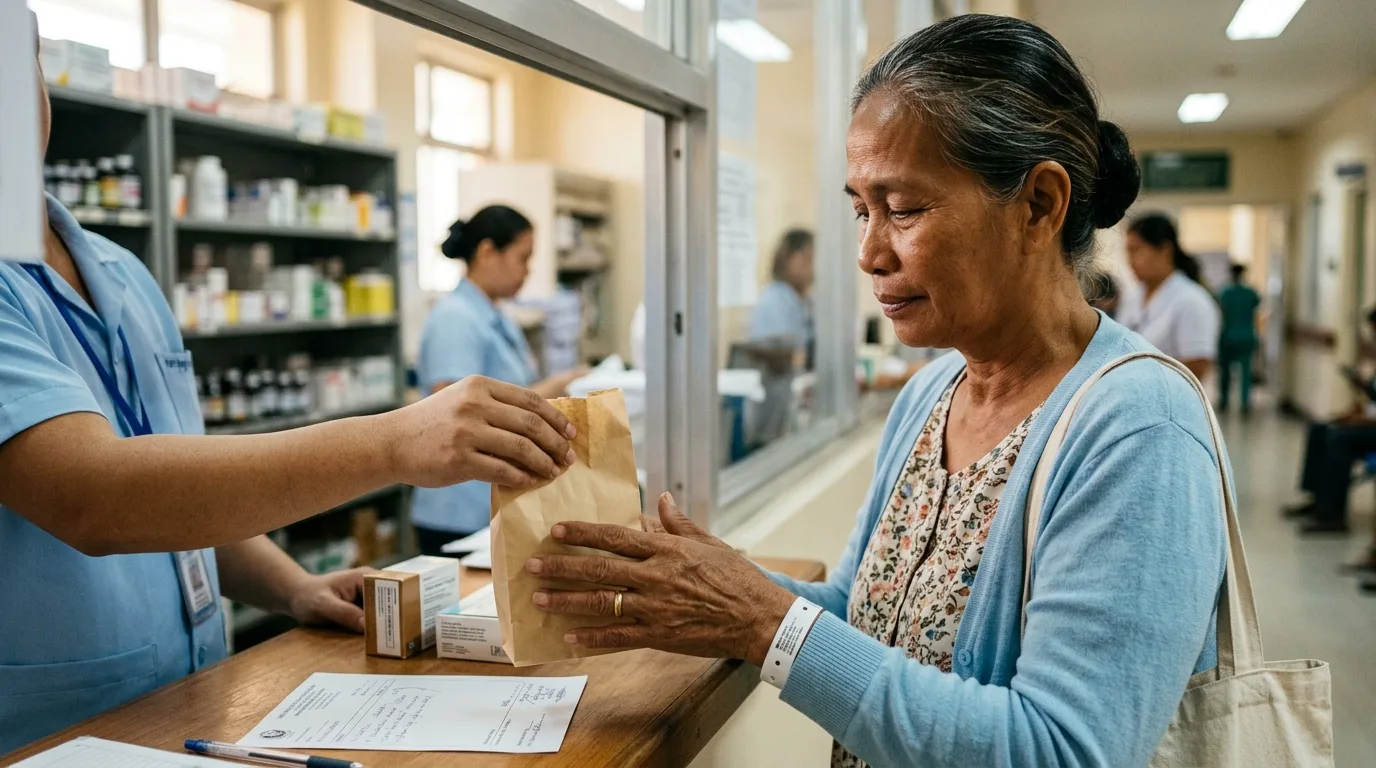
DUMAGUETE CITY — More than 31,000 patients across the Negros Island Region have received financial assistance through the Department of Health's Medical Assistance for Indigent and Financially Incapacitated Patients program as of September 2026. The initiative ensures that financial hardship does not become a barrier to necessary medical care.
A Lifeline for Indigent Patients
Gracel Chloe Padrones, acting chief administrative officer of DOH-NIR, reported that the region received ₱632 million in MAIFIP funds. These resources were distributed to 48 government and private health facilities across Negros Occidental, Negros Oriental, and Siquijor. The program also served 937 walk-in beneficiaries seeking help.
The assistance covers a comprehensive range of medical needs, including inpatient and outpatient care, emergency services, surgical procedures, laboratory tests, and medicines. Cancer patients undergoing chemotherapy may also apply, providing relief to those facing the most expensive treatments.
Private Hospitals Join the Network
In Negros Oriental, DOH partners with five private hospitals to expand access. These include ACE Doctors Hospital-Bayawan, ACE Medical Center-Dumaguete, Negros Polymedic Hospital, Holy Child Hospital, and Silliman University Medical Center. Two diagnostic centers, Healthy Kidney Clinical Laboratory and LabTech Pro Diagnostic Center, also participate.
Patients in these private partner hospitals may qualify for assistance if they are indigent or have income but cannot afford treatment costs. This partnership ensures that financial capacity does not determine whether someone receives life-saving care. The program reinforces the government's commitment to inclusive healthcare.
Aligning with Universal Health Care
Padrones emphasized that MAIFIP works alongside Zero Balance Billing to advance Universal Health Care goals. Zero Balance Billing covers qualifying out-of-pocket hospital expenses for eligible patients in participating government hospitals, including DOH and local government facilities.
Together, the two programs strengthen financial protection for patients. MAIFIP provides medical assistance for eligible healthcare needs, while Zero Balance Billing eliminates unexpected hospital bills. The combination ensures that patients can focus on recovery rather than financial worry.
Digital Shift Through e-MAIFIP
The program has moved online through e-MAIFIP, a system that helps patients complete required forms at participating facilities and speeds up assistance release. However, because DOH-NIR is a newly established office, it does not yet use the platform.
Currently, only Corazon Locsin Montelibano Memorial Regional Hospital in Bacolod City uses e-MAIFIP within the region. The digital shift aims to streamline processes and reduce waiting times for patients and their families.
Supporting the Marcos Administration's Health Agenda
The funding aligns with President Marcos Jr.'s directive to widen health investments and expand access to services for indigent patients. By channeling resources directly to hospitals, the program ensures that help reaches those who need it most.
Padrones said MAIFIP and Zero Balance Billing make healthcare more accessible, affordable, and responsive. The program reflects a broader national effort to strengthen the healthcare system and protect vulnerable Filipinos from medical debt.
