Emergency Skills Beyond Peacekeeping
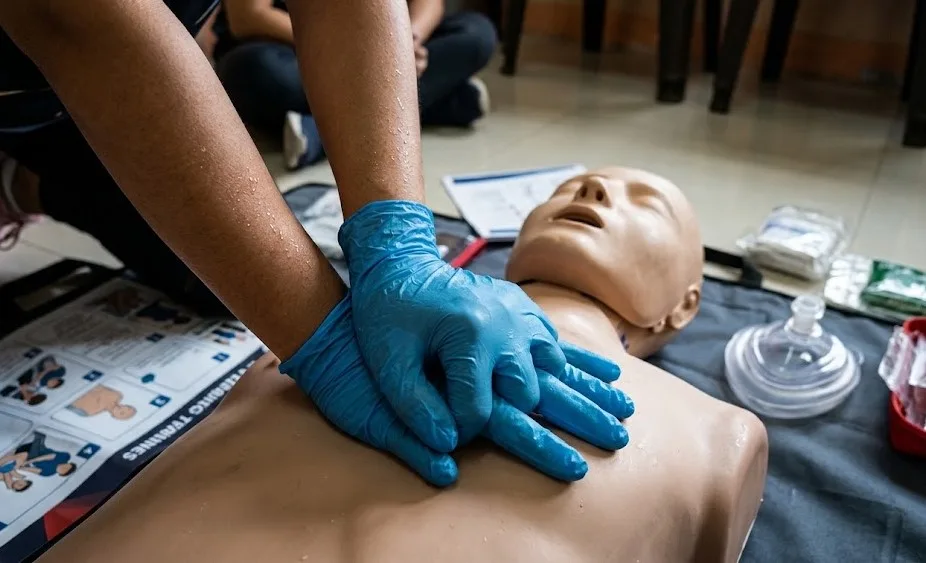
OZAMIZ CITY- BPAT members are community-based personnel whose responsibilities include supporting peace and order in their respective barangays. Basic Life Support training adds an important emergency-response dimension to their community service by introducing skills that may be needed when a person suddenly becomes unresponsive or suffers a medical emergency. Depending on the training covered, these skills may include recognizing an emergency, activating the appropriate emergency response system, performing cardiopulmonary resuscitation (CPR), and understanding the role of an automated external defibrillator (AED). Proper instruction also helps participants recognize the limits of their training and avoid actions that could place a patient or responder at further risk. The reported activity reflects the importance of preparing community personnel to respond calmly while waiting for qualified medical assistance.
BFP Training Brings Practical Knowledge to Barangays
Working with the Bureau of Fire Protection gives community training a connection to established emergency-preparedness and public-safety practices. For participants, instruction is most useful when it combines clear explanations with demonstrations and supervised practice, allowing them to understand the correct sequence of actions during an emergency. CPR and AED procedures require proper technique, while first-aid decisions must take account of the patient's condition and the safety of the surrounding area. The specific exercises and schedule of the reported BPAT training could not be independently confirmed from the supplied Facebook reference. Nevertheless, the activity's stated focus on Basic Life Support underscores why practical instruction is relevant to personnel who may be among the first people available when an incident occurs.
Prepared Barangays Can Help Bridge the Response Gap
Emergency preparedness does not rest on one agency alone; it also depends on communication between community personnel, fire responders, medical teams, and other emergency services. In a city with 51 barangays, familiarizing local responders with appropriate emergency procedures can help residents understand where to seek assistance and what immediate actions may be appropriate. A separate Philippine Information Agency report published on November 30, 2025, documented Basic Life Support and survival refresher training in Ozamiz involving barangay representatives, the BFP, police personnel, the Red Cross, and medical-center staff. That earlier report provides local context for the city's attention to life-saving skills, but it does not independently verify the details of the BPAT training described in the supplied reference. Continued access to sound instruction and refresher sessions can help community responders maintain their knowledge and use it responsibly when emergencies arise.