Different Programs, Connected Nutrition Needs
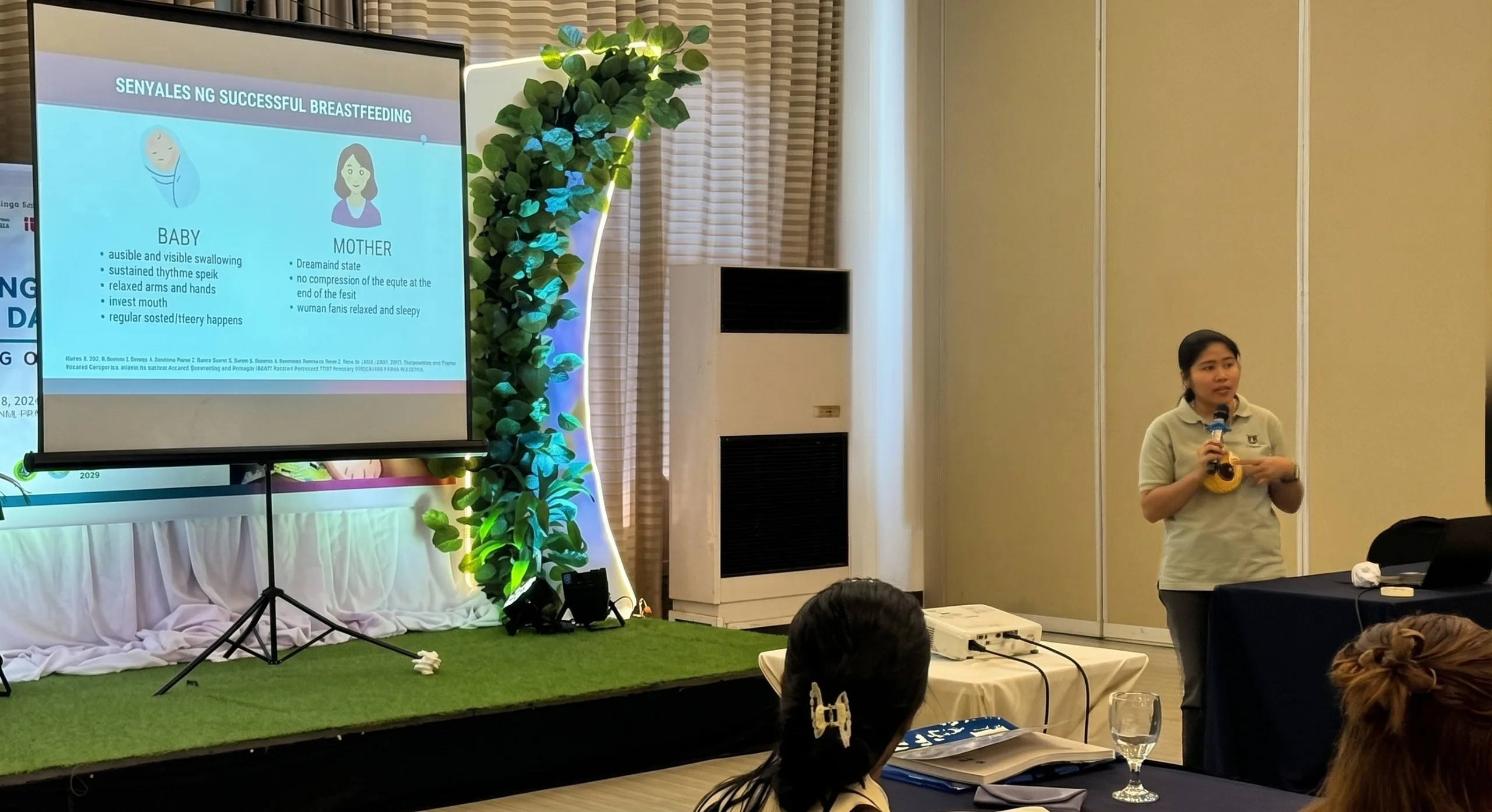
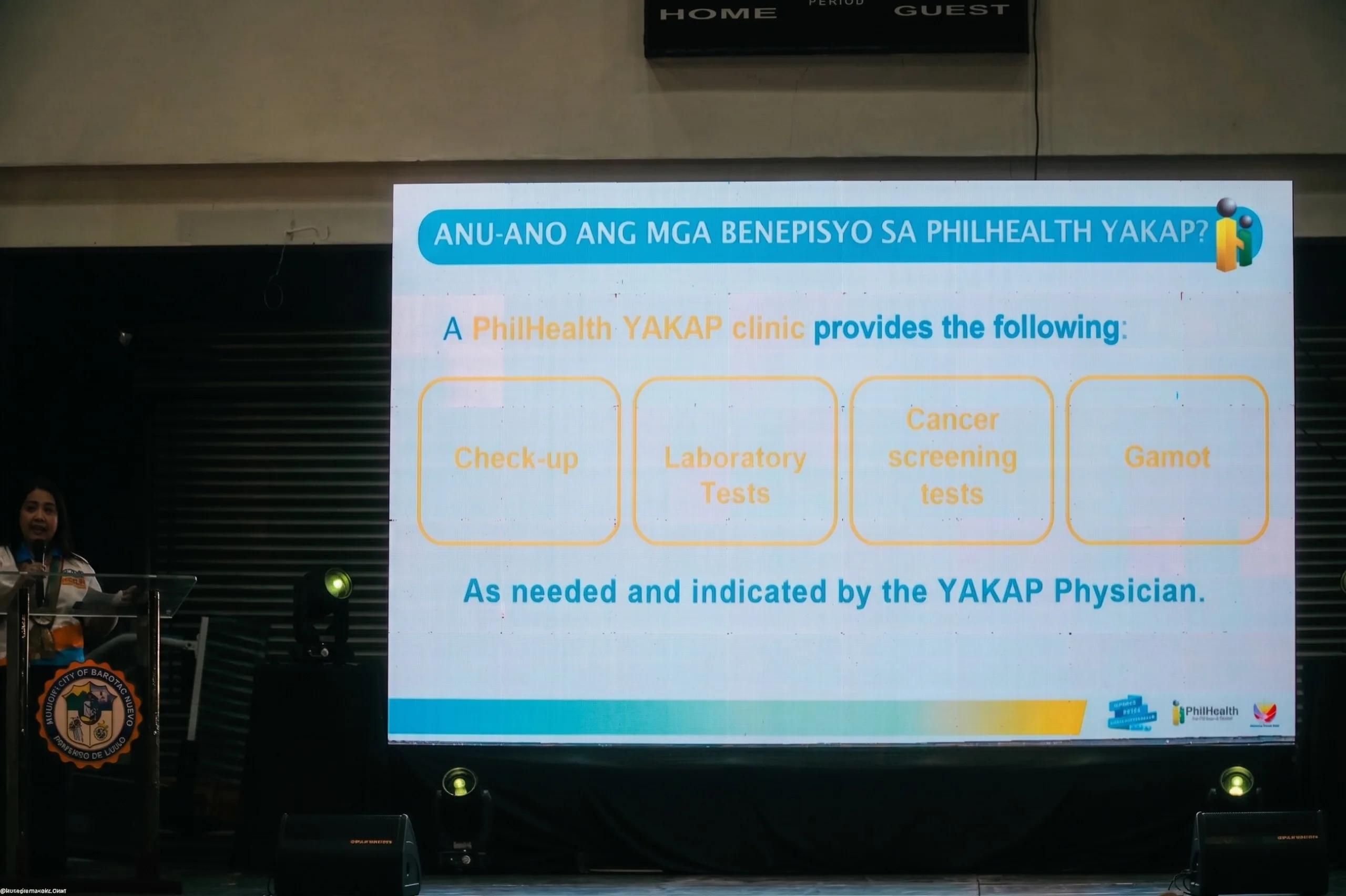
OZAMIZ CITY- The NNC’s Tutok Kainan Dietary Supplementation Program focuses on nutritionally at-risk pregnant women and undernourished children aged 6–23 months in designated priority areas. DSWD operates supplementary feeding initiatives for eligible young children in child development centers, while DepEd implements school-based feeding activities for eligible learners. These programs serve different groups and operate under their respective guidelines, but all contribute to the wider effort to address undernutrition. For Ozamiz City, understanding these distinctions is important when examining how nutrition services can complement one another instead of being treated as unrelated activities. The National Nutrition Council’s explanation of the National Dietary Supplementation Program provides the policy background for these separate but related responsibilities.
Harmonization Means Better Coordination, Not Identical Programs
Bringing the three agencies’ efforts into closer alignment involves practical questions about beneficiary identification, service schedules, nutritional assessments, referrals, and the sharing of implementation information. For example, coordinated records and clear referral procedures could help authorized implementers identify eligible beneficiaries and determine which services are appropriate for their age and circumstances. Common monitoring measures could also help agencies assess whether their respective interventions are reaching intended groups and where service gaps remain. However, harmonization does not mean that every program must use the same eligibility rules, meals, or delivery arrangements. Each agency must continue to follow its own program guidelines while seeking opportunities to coordinate services and use available resources responsibly
Turning National Nutrition Priorities Into Local Action
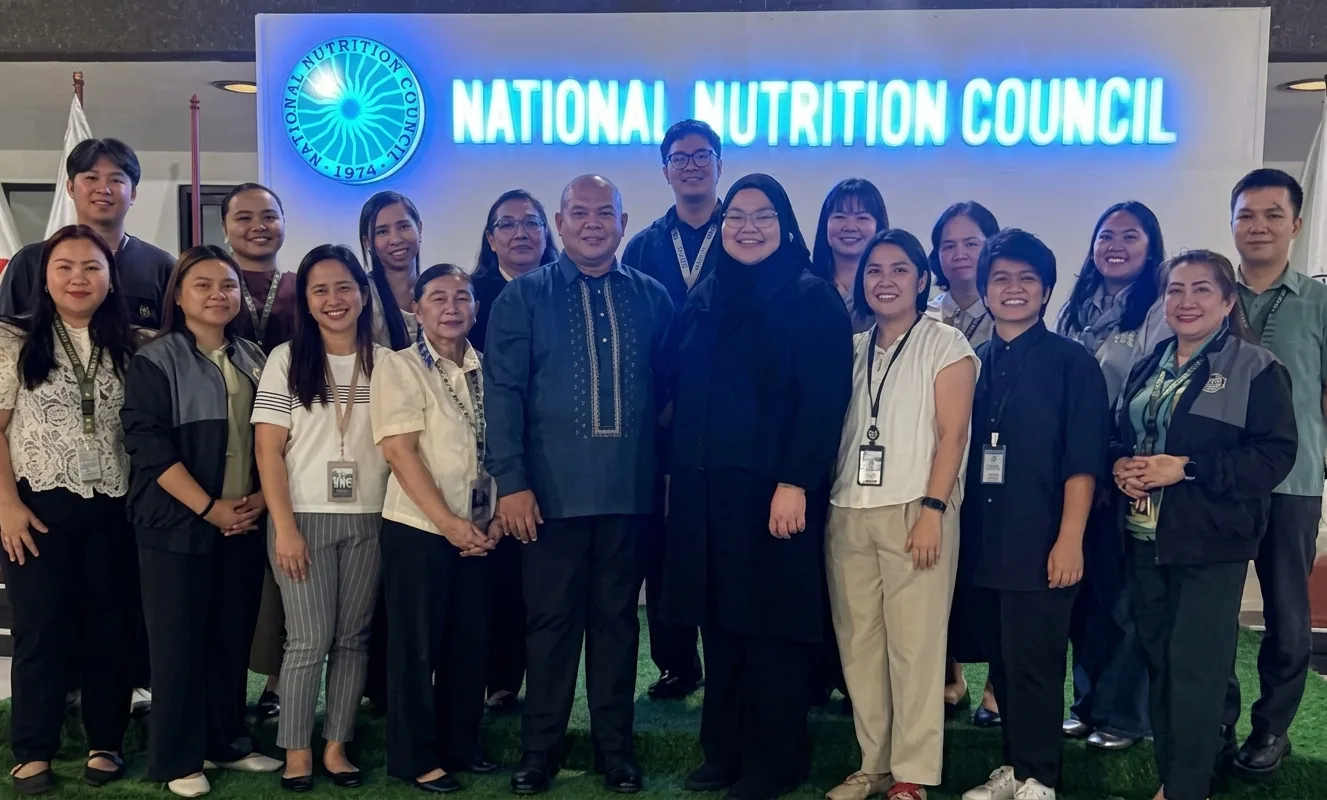
The NNC’s 2026 program implementation review, conducted from June 1 to 4 in La Union, included discussions with representatives from DSWD, DepEd, and other partner organizations. The review examined program accomplishments, implementation challenges, lessons learned, and approaches that could improve the delivery of nutrition interventions. Its findings offer relevant national context for discussions about aligning nutrition services in communities such as Ozamiz City, although they do not establish that a specific harmonization meeting occurred in the city. Local application would require appropriate coordination among relevant offices, an understanding of the nutritional needs of intended beneficiaries, and monitoring consistent with each program’s requirements. By focusing on complementary responsibilities and measurable outcomes, nutrition implementers can work toward a more connected approach to supporting healthy growth and reducing malnutrition.