


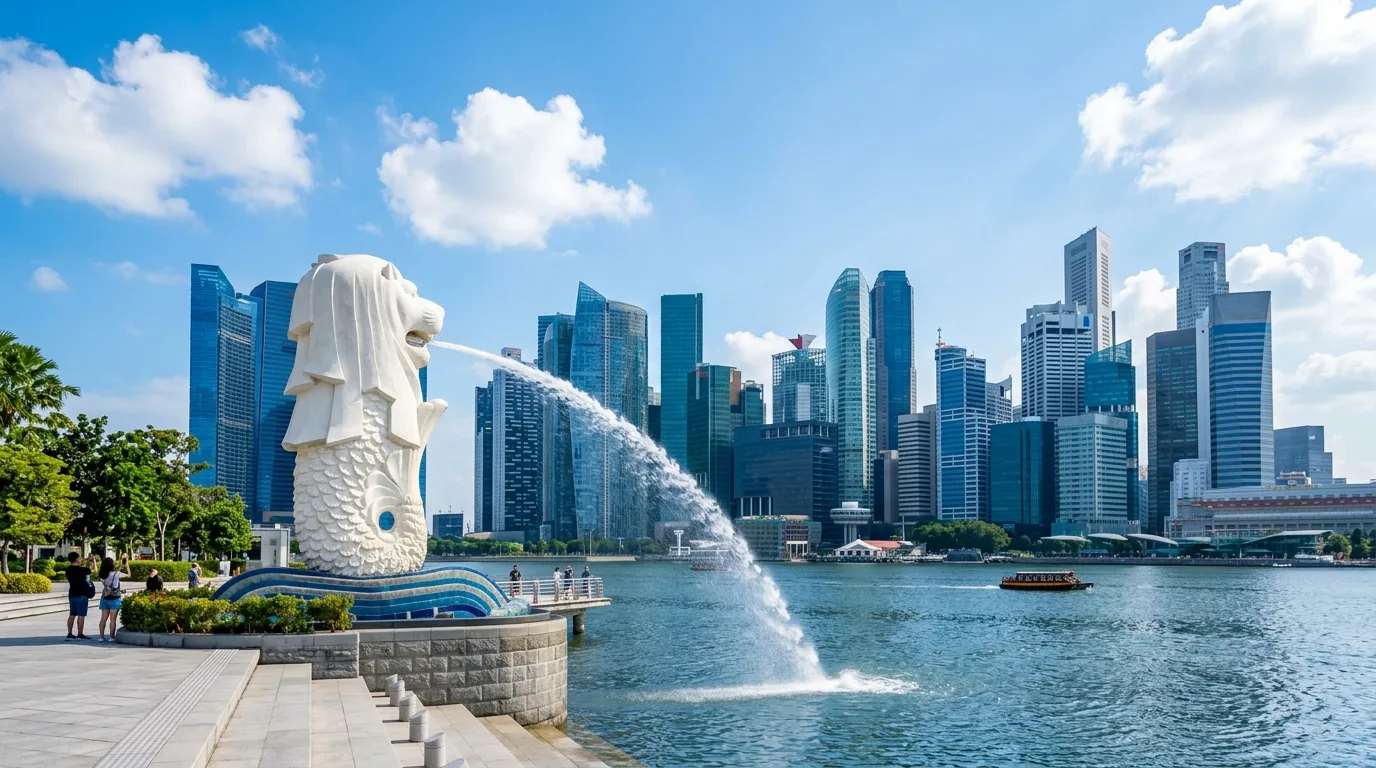
SINGAPORE – Singapore’s Budget 2026 has raised the minimum salary requirements for foreign professionals and mid-skilled workers, a move that will directly affect thousands of Overseas Filipino Workers. The new thresholds, which take effect for new applications in January 2027, aim to ensure that foreign hires are higher-skilled and better compensated, but they also introduce new hurdles for Filipino job seekers and existing pass holders.
Tighter Rules for Foreign Professionals
The qualifying monthly salary for an Employment Pass (EP) will climb to SGD 6,000, and to SGD 6,600 for those in financial services. For S Pass holders, the floor rises to SGD 3,600, or SGD 4,000 in finance. These figures scale higher with age, meaning experienced professionals must earn even more to qualify.
Alongside the salary bumps, the Local Qualifying Salary—the minimum that employers must pay their local staff to count toward foreign worker quotas—increases to SGD 1,800. This adjustment went into effect on July 1, 2026, tightening the dependency ratio ceiling for companies that rely on foreign labour. For Filipino PMETs (Professionals, Managers, Executives, and Technicians), the changes mean that simply meeting the previous salary bar will no longer be enough to secure or renew a pass.
What It Means for OFWs
For many Filipino workers, the new rules bring both opportunity and risk. Those who command salaries above the new thresholds will see their pay increase as employers adjust packages to meet the criteria. This translates into higher take-home income and, consequently, larger remittances sent back to families in the Philippines.
However, the tougher requirements also pose a threat to mid-level workers whose current pay falls short of the new floors. Small and medium enterprises, which often operate on thin margins, may find the SGD 400–500 monthly increases difficult to absorb. As a result, some Filipino S Pass holders could face non-renewal when their permits expire in 2028, forcing them to either find a higher-paying job or leave Singapore.
Impact on the Philippine Economy
The policy shift is expected to influence the Philippine economy in several ways. The most immediate effect will be on the value of cash remittances. Workers who successfully upgrade their positions will send more money home, supporting household consumption and contributing to the country’s GDP. However, those displaced by the changes may need to seek employment elsewhere, potentially reducing the overall number of OFWs in Singapore.
The government, through the Department of Migrant Workers, will need to monitor the situation closely. It may also have to expand reintegration programs for workers who are forced to return home. At the same time, the higher salary thresholds reinforce the need for continuous upskilling among Filipino talent, ensuring that those who go abroad are equipped to compete in premium markets.
Upskilling and Adaptation
The tighter rules underscore a broader global trend: destination countries are prioritizing quality over quantity in foreign labour. For the Philippines, this means that agencies like TESDA must intensify their focus on advanced certifications and professional development. Filipino workers who invest in specialized skills—whether in IT, engineering, healthcare, or finance—will be better positioned to meet Singapore’s elevated standards.
Employers, too, will need to adapt. Companies that have long relied on Filipino professionals must now budget for higher salaries or risk losing access to a loyal and skilled workforce. The changes are a call to action for both the public and private sectors to collaborate on preparing the Filipino workforce for an increasingly selective global labour market.
A New Playing Field
Singapore’s latest budget is a reminder that labour migration policies are never static. For OFWs and the Philippines, the key to navigating these shifts lies in adaptability. Those who can upgrade their skills and secure higher-paying roles will thrive; those who cannot may find doors closing. The challenge now is to ensure that as many Filipino workers as possible fall into the first category, turning tighter regulations into a springboard for better careers and stronger economic contributions to the homeland.
