


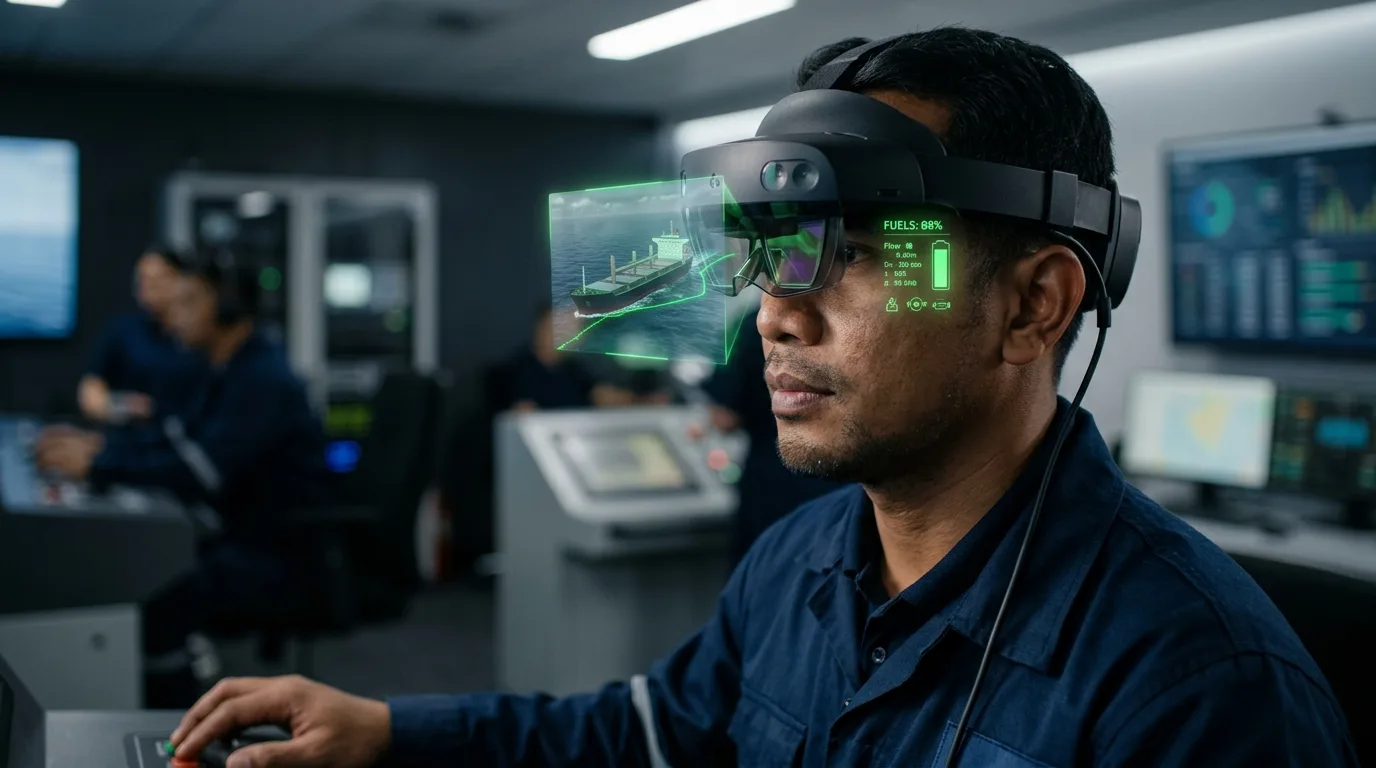
PHILIPPINES — Top Norwegian officials have delivered a strong message of reassurance to Filipino seafarers, clarifying that vessel automation will not displace them from long-haul routes. The pledge, made during recent high-level meetings, is backed by new training programs and digital certification agreements designed to prepare crews for the future of green shipping.
Addressing Automation Anxiety
Rising concerns over AI and autonomous vessels have created uncertainty among maritime workers. Norwegian Foreign Minister Espen Barth Eide directly addressed these fears, stating that while fully autonomous ships may serve limited domestic niches, ocean-going trade will always require human crews. This clarification is crucial for the roughly 25,000 Filipino seafarers who form the backbone of Norway's international fleet.
The minister emphasized that as technology advances, the skills required of seafarers will also evolve, but the human element will remain indispensable. His statement provides a stable foundation for Filipino maritime professionals to plan their careers with confidence. It also reinforces the importance of continuous learning to stay relevant in a changing industry.
Investing in Green Skills
To ensure Filipino seafarers are ready for next-generation vessels, Norway is heavily investing in upskilling initiatives. The Norwegian Training Center (NTC) in Manila has integrated over 40 advanced simulators and virtual reality systems. These tools provide hands-on experience in handling emerging low-carbon fuels like ammonia, hydrogen, and methanol, which require specialized safety protocols.
This training aligns with the International Code of Safety for Ships Using Gases or Other Low-flashpoint Fuels (IGF Code). By mastering these new technologies, Filipino officers and ratings secure their status as sought-after crew members for modern, eco-friendly ships. The partnership turns a potential threat into a career advancement opportunity.
Streamlining Certification Digitally
Administrative delays in certificate verification can hinder deployment. To solve this, the Maritime Industry Authority (MARINA) and the Norwegian Maritime Authority (NMA) are linking their digital systems via an API. This integration will allow for the automatic, mutual recognition of STCW seafarer certificates, drastically cutting processing times.
This digital linkage also enhances the integrity of credentials, preventing fraud and ensuring that only qualified seafarers board vessels. For the Filipino workforce, it means faster contract approvals and a smoother transition between jobs. The move represents a significant step toward modernizing the maritime labor market.
Securing Shipping Lanes
Beyond technology and training, Norway reaffirmed its support for international maritime law, including UNCLOS and freedom of navigation in the West Philippine Sea. This geopolitical stance is vital for protecting the commercial shipping corridors where Filipino seafarers work daily. Safe sea lanes are essential for global trade and the continued employment of thousands of OFWs.
