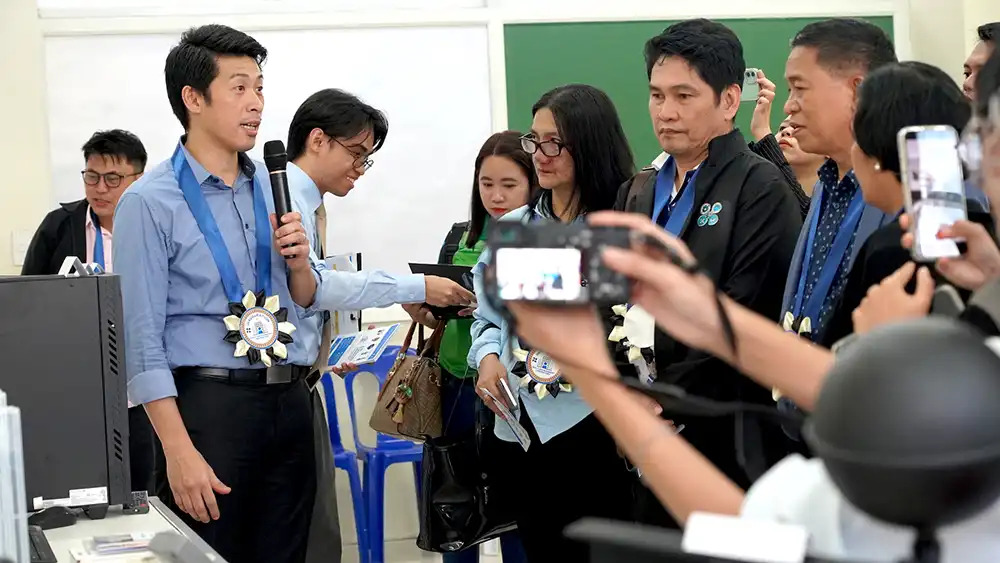
CAGAYAN DE ORO — A groundbreaking research facility has officially opened in Cagayan de Oro, aiming to reshape how Filipinos design their homes to combat rising electricity costs. The Built Environment Laboratory (BEL), inaugurated on May 28, 2026, at the University of Science and Technology of the Southern Philippines (USTP), is set to revolutionize energy efficiency in the tropics. By utilizing advanced simulation tools, the lab develops passive cooling strategies that significantly minimize the need for energy-intensive air conditioning. This initiative provides a science-backed roadmap for homeowners and developers to build cooler, more efficient living spaces that remain comfortable even during the hottest months.
Pioneering Passive Cooling Through Advanced Computational Design
The laboratory is equipped with high-tech software, including Computational Fluid Dynamics (CFD) and Building Energy Modeling (BEM), which allow researchers to map exactly how heat and air move through a structure. By analyzing these thermal patterns, engineers can redesign buildings to maximize natural cross-ventilation, effectively eliminating the common "trapped heat" issues found in traditional concrete homes. One of the lab's pilot studies on the Dr. Ricardo E. Rotoras Memorial Hall demonstrated that these design adjustments could slash cooling energy requirements by as much as 68%. This data-driven approach moves beyond guesswork, offering precise architectural blueprints that naturally regulate indoor temperatures without relying on electric fans or air conditioners.
Developing Smart Solutions for Every Filipino Household
Beyond structural redesigns, the laboratory is actively developing sensor-based automation and adaptive shading technologies, such as smart blinds, to assist in daily thermal management. These systems work by automatically adjusting to the sun’s position, blocking intense heat during the day while allowing light to filter in, which helps maintain a steady indoor environment. The research team emphasizes that these innovations are being tested in real-world settings to ensure they remain affordable and effective for the average household. By focusing on these everyday realities, the lab aims to provide practical tools that empower residents to take control of their power consumption and reduce their monthly utility bills.
Bridging the Gap Between Scientific Research and Urban Development
As Mindanao faces increasing pressure from rapid urbanization and rising cooling demands, this facility serves as a critical bridge between academic innovation and industry practice. The data generated at the BEL is intended to guide local government planners and private developers in creating climate-responsive infrastructure across Northern Mindanao. DOST officials emphasize that this project is a proactive response to the nation’s growing energy challenges, turning scientific research into actionable solutions for the public. By embedding these energy-saving principles into the early design phase of buildings, the city is fostering a more sustainable and resilient future for all its citizens.