


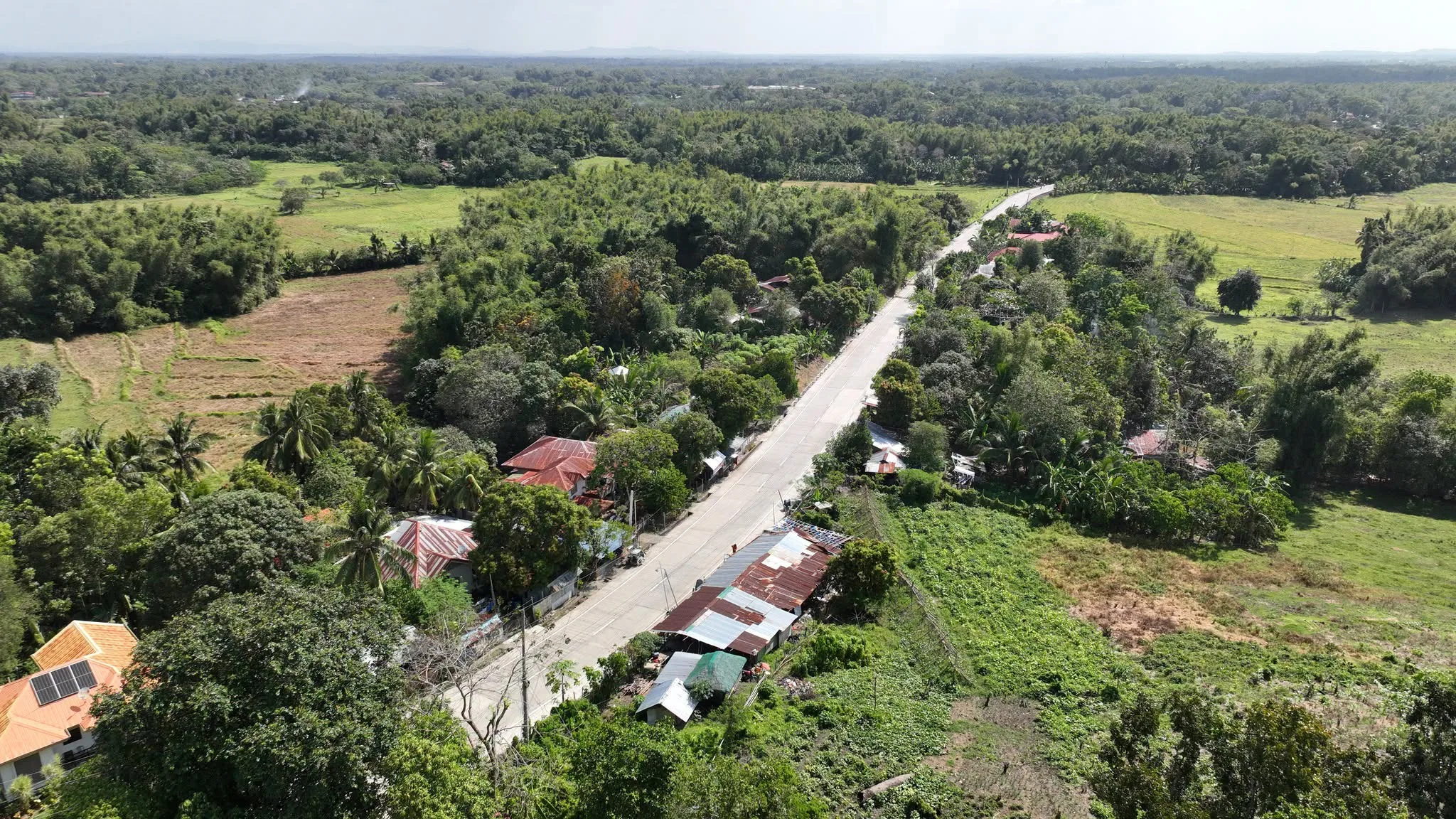
ILOILO — A newly concreted road is making travel smoother and safer for residents of remote barangays, while also unlocking the tourism potential of this historic municipality. The ₱49.439-million rehabilitation project, implemented by the Department of Public Works and Highways (DPWH) Iloilo 4th District Engineering Office, has transformed a 4.858-kilometer stretch of road.
Connecting Communities and Countryside
The project addressed sections of an existing two-lane road that had deteriorated due to heavy traffic, environmental conditions, and aging infrastructure. For residents of Café and Bitaog-Taytay, the improved road provides more reliable access to markets, basic services, and economic opportunities. It directly enhances their quality of life by reducing travel time and ensuring access even during heavy rains.
District Engineer Mario G. Soriano emphasized the project's vital contribution to economic growth. He noted that repairing the road strengthens the local road network and improves mobility, making it easier for farmers to transport their products to markets. This direct link between rural production and commercial centers is essential for local development.
Unlocking Heritage and Leisure Destinations
Beyond daily commuting, the rehabilitation opens doors for travelers eager to explore Sta. Barbara's rich history. The town is home to the Santa Barbara Church and Convent, a National Historical Landmark finished in 1878. This Baroque Renaissance structure served as headquarters for Visayan revolutionary forces, making it a profound destination for history enthusiasts.
Visitors can also explore the Cry of Santa Barbara Marker, commemorating the first raising of the Philippine flag outside Luzon in 1898. The Centennial Museum offers further insights into the town's proud heritage. For leisure seekers, the Iloilo Golf and Country Club, known as the oldest golf course in Asia, provides a scenic 18-hole retreat.
Strengthening Regional Connectivity
Regional Director Denise Maria M. Ayag highlighted the road's broader significance, noting it provides safer and continuous access to the upland barangays of Leon and Alimodian. This enhanced connectivity makes it easier for residents of remote communities to obtain household necessities, especially during inclement weather. The road serves as a crucial link between lowland towns and mountain communities.
The project aligns with the national directive to build safe, reliable, and resilient infrastructure. It enhances safety, reduces accidents, and promotes social connectivity. Ayag added that such improvements also encourage tourism development, which can eventually boost the local economy and improve the quality of life for all residents.
