ALEGRIA, Surigao del Norte — Four barangays in Alegria welcomed a new chapter in food security on July 21, 2026, as community‑based Food Shed Farming Enterprises (FSEE) officially opened their doors. The initiative, backed by Sun Life Foundation and WWF‑Philippines, aims to put fresh, nutritious produce on local tables while strengthening farmers’ livelihoods.
A Partnership for Food Security
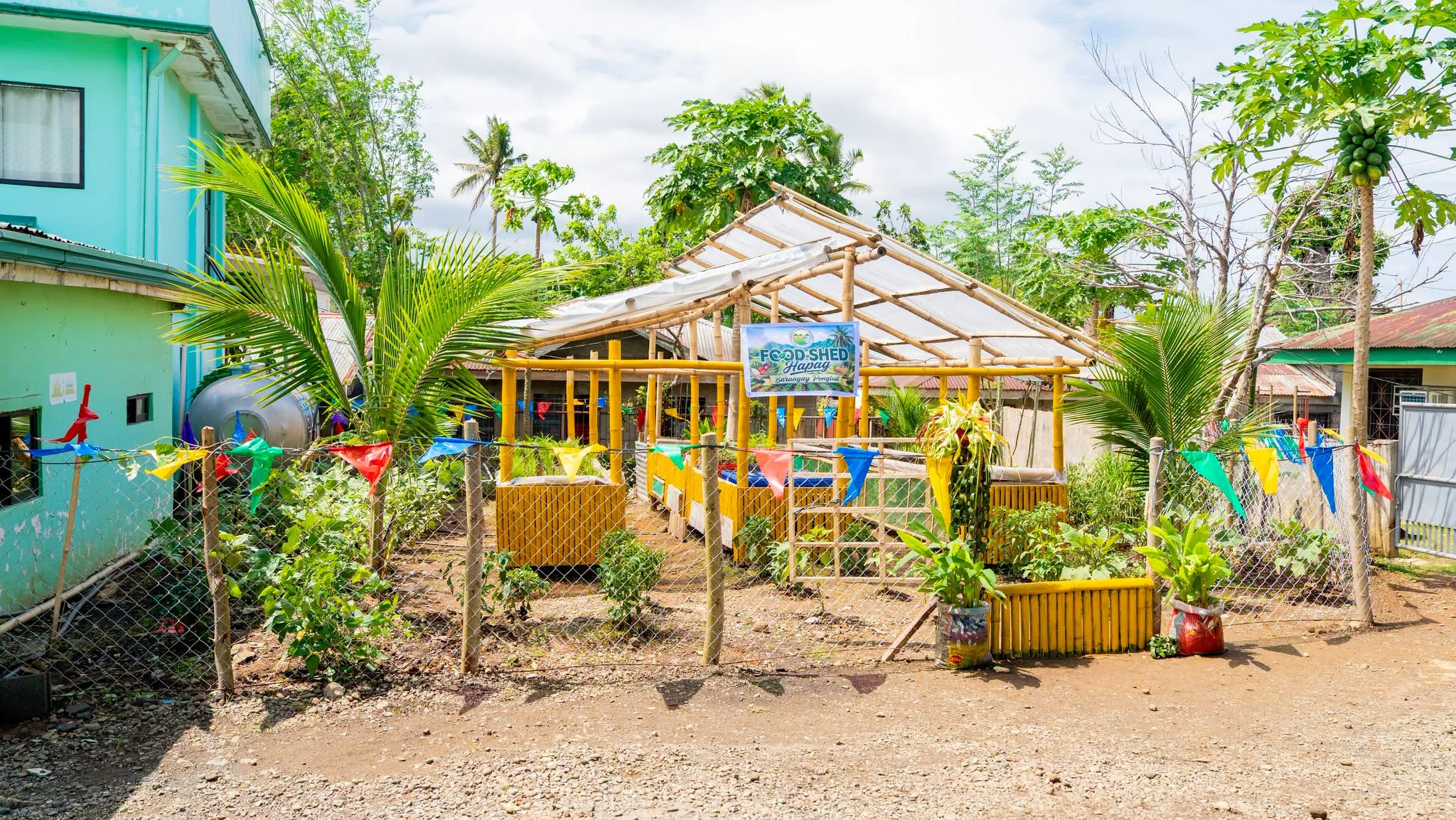
The project equips Barangays Julio Ouano, Ombong, Pongtud, and San Pedro with modular food sheds designed to produce vegetables using climate‑adaptive methods. Sun Life Foundation and WWF‑Philippines partnered with the local government’s Office of the Municipal Agriculture to deliver the program. At least 120 farmers will directly benefit, with roughly 600 residents gaining access to healthier food.
These food sheds are not just structures; they represent a strategy to reduce dependence on distant food sources and volatile market prices. By growing food within the community, families can stretch their incomes further while enjoying freshly harvested greens. The initiative directly tackles the twin challenges of hunger and rural poverty in the municipality.
Climate‑Smart Farming in Small Spaces
Each food shed operates as a compact, low‑tech production unit that shelters crops from extreme weather. Farmers use organic composting to nourish the soil and rely on rainwater harvesting to irrigate their plants efficiently. Natural pest and disease control methods keep produce chemical‑free and safe for consumption.
The design is intentionally simple so that local farmers can replicate and maintain it without heavy machinery or expensive inputs. Even during typhoons or drought, the covered sheds provide a buffer, ensuring that a steady supply of food continues to reach the community. This resilience is critical for an area frequently exposed to tropical storms.
Community Ownership and Livelihoods
Unlike top‑down aid projects, the food sheds are handed directly to community‑based organizations in each barangay. Farmers receive agro‑enterprise training that covers production planning, cost management, and market linkage. This empowers them to sell surplus harvests and turn subsistence farming into a viable business.
Beyond crop production, participants join Group Savings and Loans Associations to build financial safety nets. Basic financial literacy sessions help families manage their earnings, save for emergencies, and invest in their children’s education. The holistic approach transforms beneficiaries from aid recipients into self‑reliant entrepreneurs.
Scaling a Proven Model
Alegria’s food sheds are part of a broader rollout that has already taken root across the Philippines. Similar enterprises have flourished in Del Carmen, Burgos, and Surigao City in Surigao del Norte, as well as in Albay and Negros Oriental. Each successful site demonstrates that small‑scale, nature‑based farming can feed communities and generate income.
The partners intend to expand the model further, building on the lessons learned in Alegria. As the food sheds begin producing their first crops, they carry the promise of a more food‑secure, resilient, and prosperous future for the municipality’s farming families.