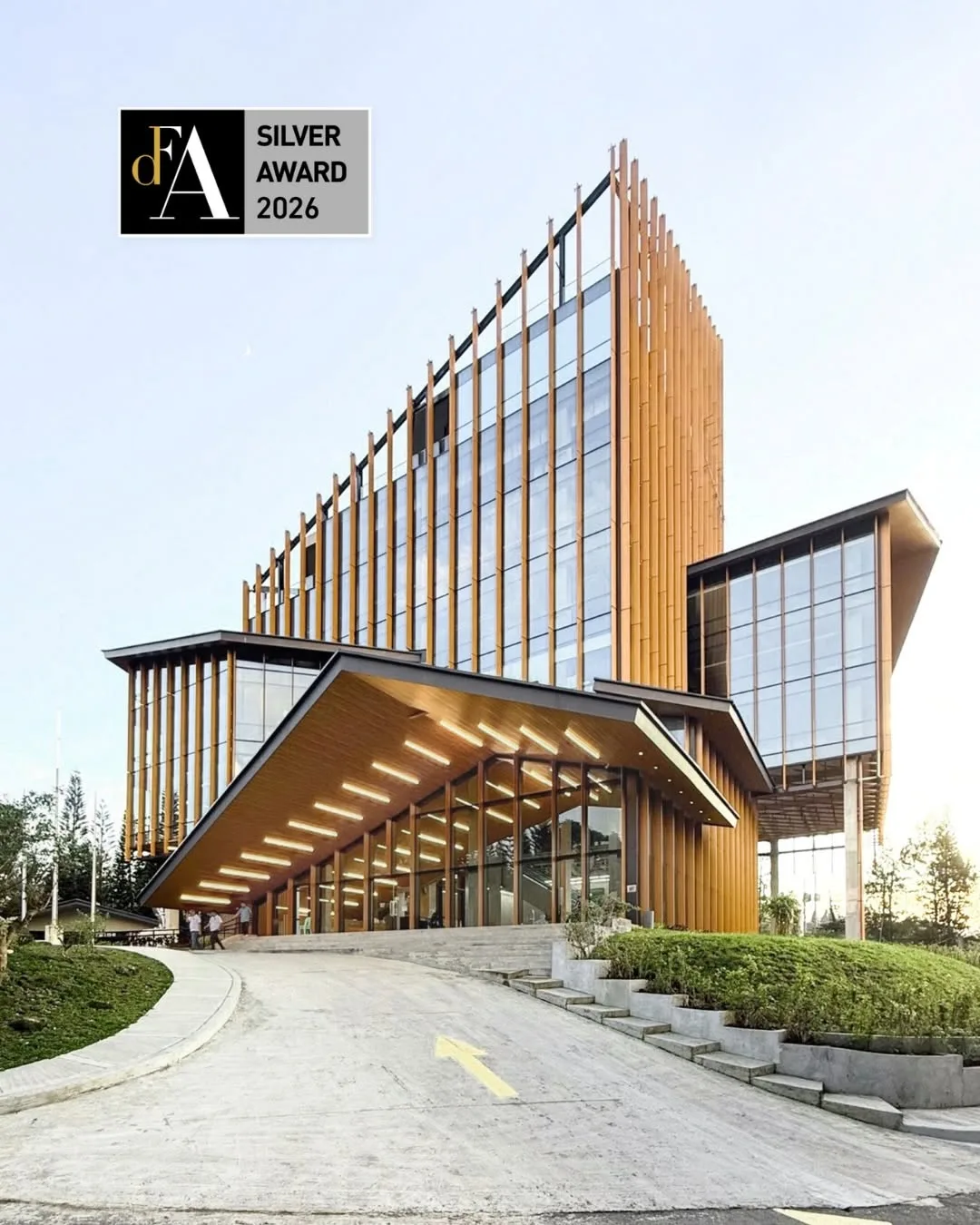
CITY OF TAGAYTAY, CAVITE — Some government buildings are designed to impress. Tagaytay City Hall was designed to welcome. And the world is taking notice. Designed by WTA Architecture and Design Studio under lead architect William Ti, Jr., Tagaytay City Hall has earned a string of international recognitions—cementing its status as one of the Philippines' most celebrated civic structures.
A String of International Recognitions
Tagaytay City Hall has earned prestigious accolades that place it among the world's most celebrated civic buildings. The Asia Architecture Design Awards 2026 named it Winner for Asia's Best Civic Building Architecture Design, recognizing it for redefining civic architecture as an "open, people-centered public realm rather than a distant institutional monument." The Architecture MasterPrize 2025 honored the building as Winner in Institutional Architecture, citing its diamond form, golden-brown fins echoing pine silhouettes, and transparent core that capture "the city's soul through its architecture." The building was also longlisted among the world's most notable government buildings at the Archello Awards 2026.
A Design Rooted in Tagaytay's Identity
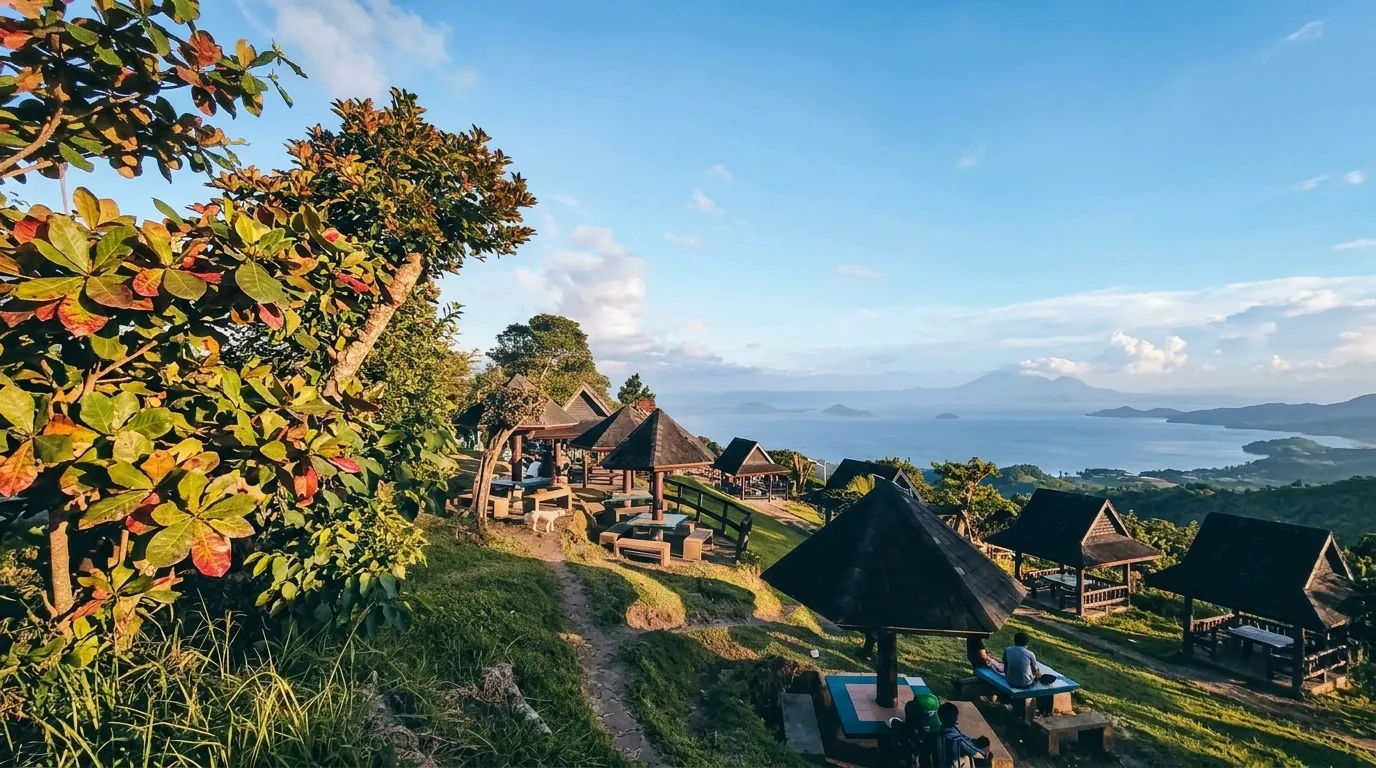
The building's form is a direct response to its setting. Tagaytay sits along the northern edge of the Taal Caldera, and WTA translated that geography into architecture. The city hall is "a layered extrusion of public and administrative spaces topped by an emphasized edge in a diamond form—an architectural ridge—diagonally cut as a geometric symbol of the caldera." The façade features vertical golden-brown fins of varying heights, their arrangement evoking the silhouettes of the surrounding pine forests, while the central open-core atrium enables stack ventilation and daylight penetration, reducing dependence on mechanical cooling and contributing to an estimated 30–40% reduction in cooling energy demand compared to conventional sealed civic buildings.
A City Hall Designed for the People
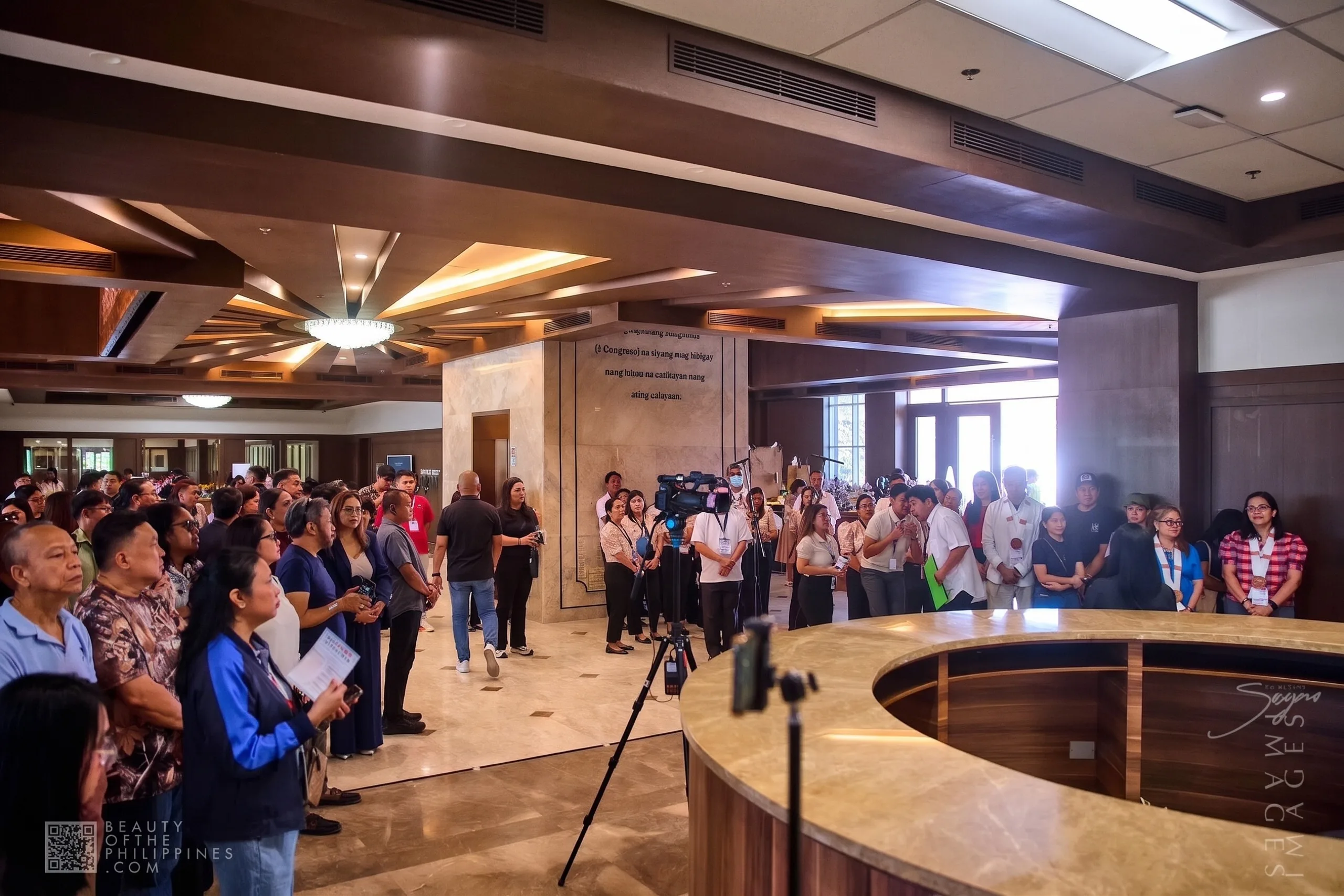
Perhaps the most radical thing about Tagaytay City Hall is how it reimagines the purpose of a government building. Public-facing departments are positioned at the most accessible lower levels, while administrative functions are elevated. Open courtyards, walkways, and communal spaces extend the building's role into a social and cultural hub. The result is a space that champions transparency in governance—both symbolically and functionally—where the central open-core design allows for visibility and natural surveillance, fostering trust and communal interaction. For a city shaped by tourism, with over a million visitors annually, this landmark reminds residents and visitors alike of what has always defined Tagaytay: its volcanic geography, its pine forests, and its role as a gathering place.