


What Goes Into the Price of a Meal?
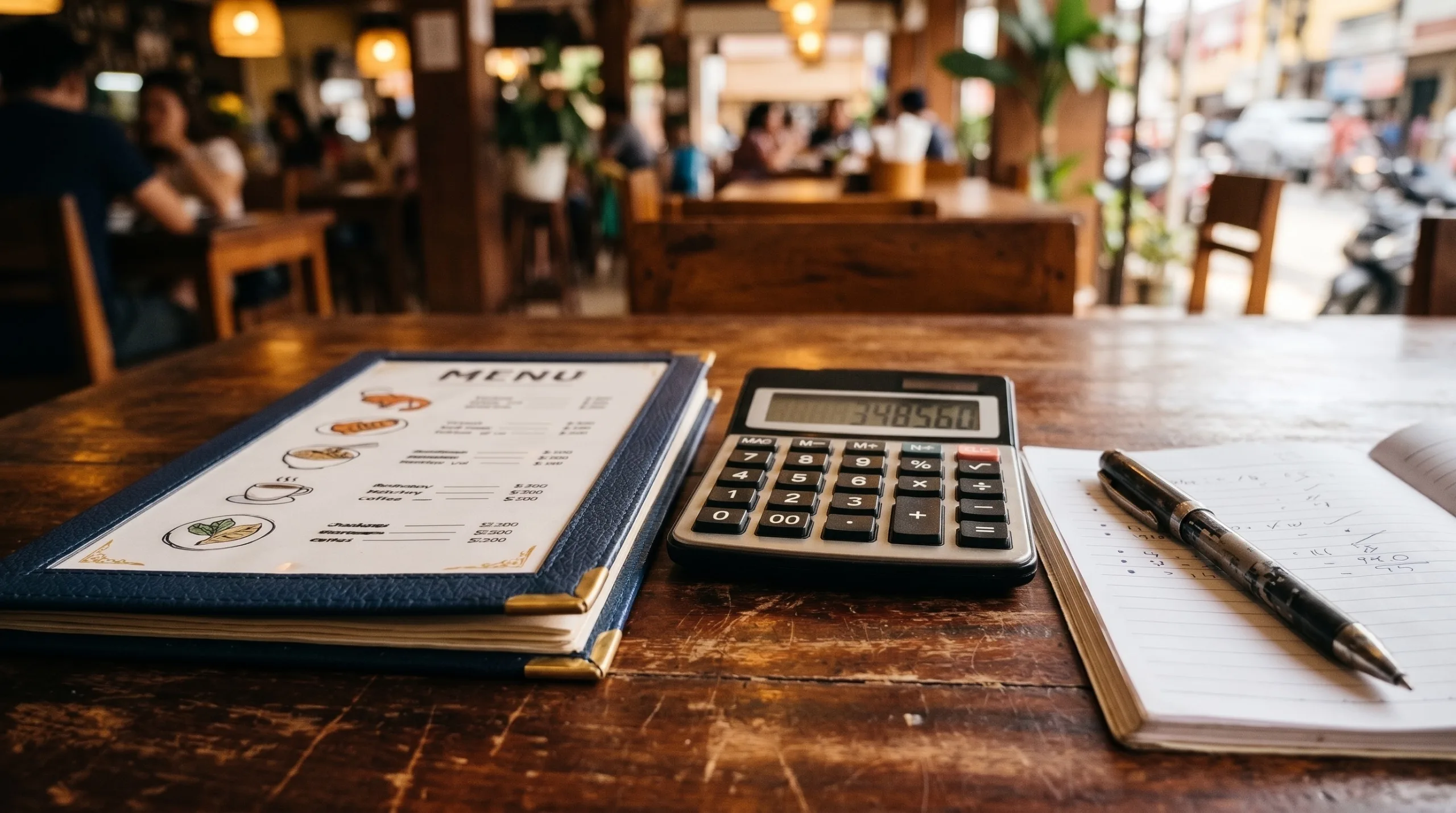
BACOLOD - The ingredients may be the most obvious expense, but they are only one part of the calculation. A restaurant also needs to pay cooks, servers, cleaners, and other workers while covering rent, water, electricity, equipment maintenance, transportation, and other operating costs. For a dish using meat, seafood, vegetables, or specialty ingredients, changes in supply and market prices can also affect how much the restaurant spends before the food reaches the customer's table. The final menu price therefore reflects an entire chain of expenses, not simply the amount of food placed on a plate.
Restaurants Are Constantly Balancing Costs and Customers
Setting a menu price is also a business decision. A restaurant has to consider what customers are willing to pay while ensuring that each dish contributes enough to keep the business operating. Portions, ingredients, preparation time, cooking methods, and even the number of items on a menu can influence that decision. Some restaurants may emphasize affordable dishes that attract frequent customers, while others may focus on specialty meals where customers are paying for particular ingredients, preparation, atmosphere, or experience. The menu becomes a way for a business to balance value with sustainability.
A Menu Can Reveal the Local Economy
Look closely at a restaurant menu and it can tell a story about the community around it. Prices can reflect the availability of local produce, seafood, meat, and other ingredients, while popular dishes can show what customers prefer to eat. Seasonal changes may influence certain ingredients, and transportation costs can matter when supplies come from outside the city. For customers, understanding these factors can create a greater appreciation for the work behind a meal. For restaurant owners, the menu is more than a collection of dishes—it is a carefully calculated part of keeping a food business alive and serving the community.
