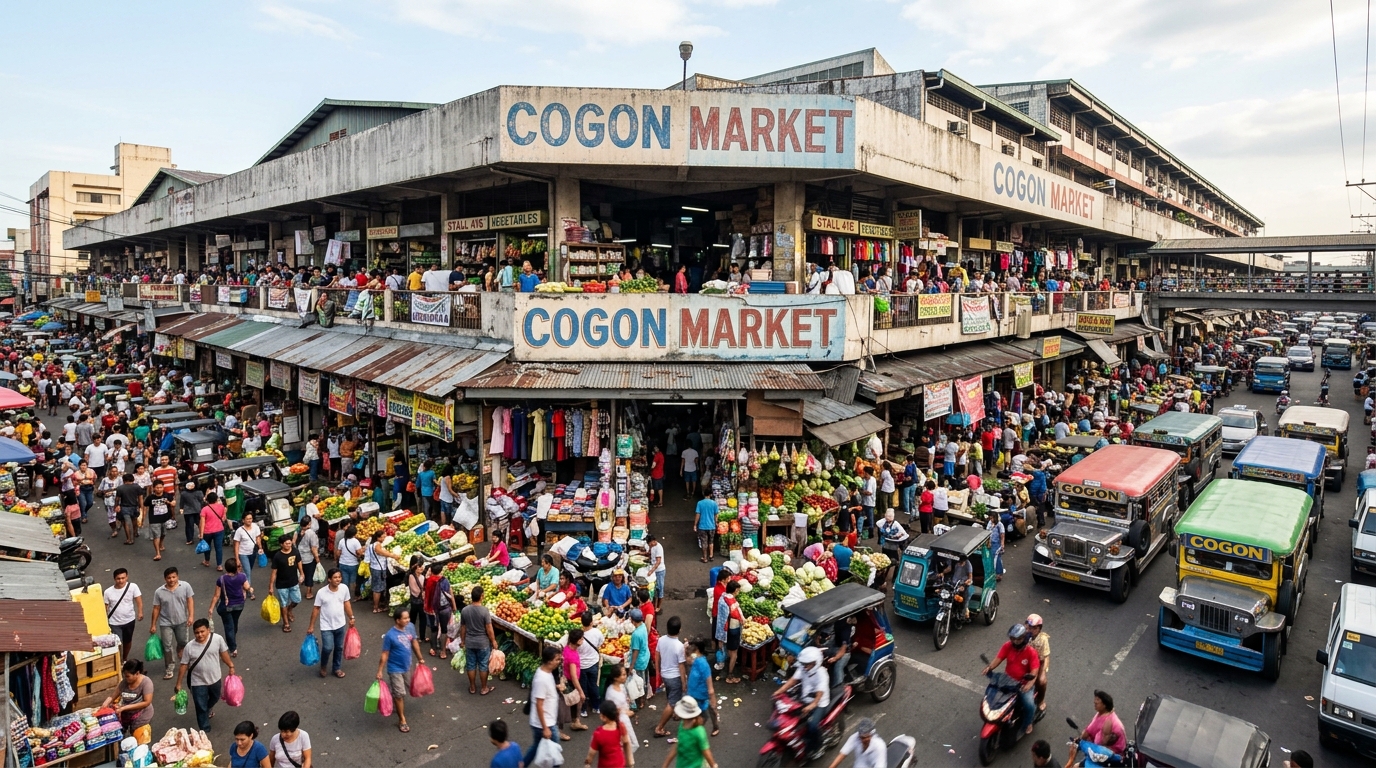
As the largest commercial hub in Cagayan de Oro, the Cogon Public Market remains the essential heartbeat of the city's daily trade and grassroots economy. While it has faced modern challenges ranging from urban congestion to public health rumors, it continues to serve as a vital link between local producers and thousands of daily consumers.
A Landmark of Urban Commerce
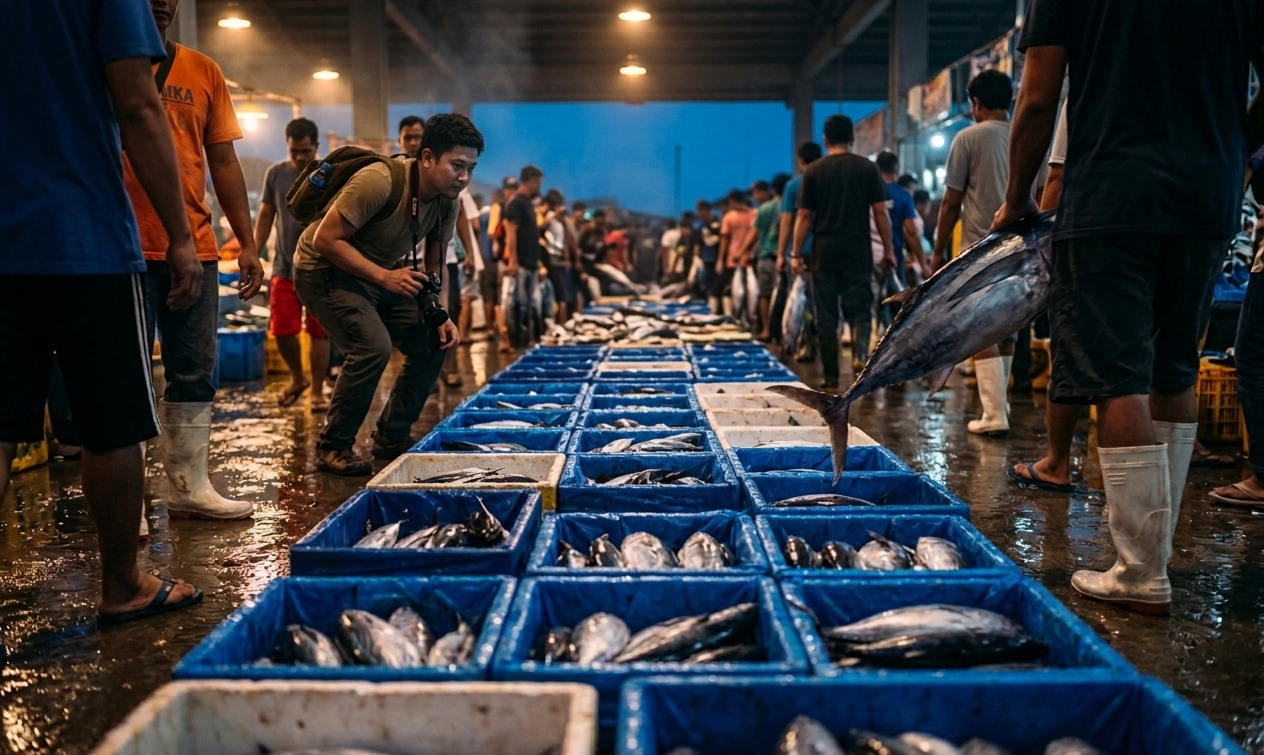
Originally transformed into its current three story structure, the Cogon Public Market was designed to be a significant facility for the city's growing population. It is strategically positioned so that nearly all public utility vehicles in the city either pass through or terminate near its perimeter, making it the most accessible shopping destination for the average Kagay-anon. Today, the market operates as a layered ecosystem: the ground floor and surrounding streets host a bustling wet market and electronics shops, while the facility provides space for dry goods, tailoring, and large-scale retail partners.
Navigating Public Health and Sanitation
In early 2026, the market became the subject of public concern following unverified reports regarding health risks. However, the City Health Office (CHO) and the City Economic Enterprise and Business Development Administration (CEEBDA) officially declared the market safe after a thorough review of medical data and sanitation standards. To maintain this status, the city conducts regular flushing and cleaning activities to ensure that all meat and produce remain safe for public consumption.
\
The Challenge of "Hapsay Dalan"
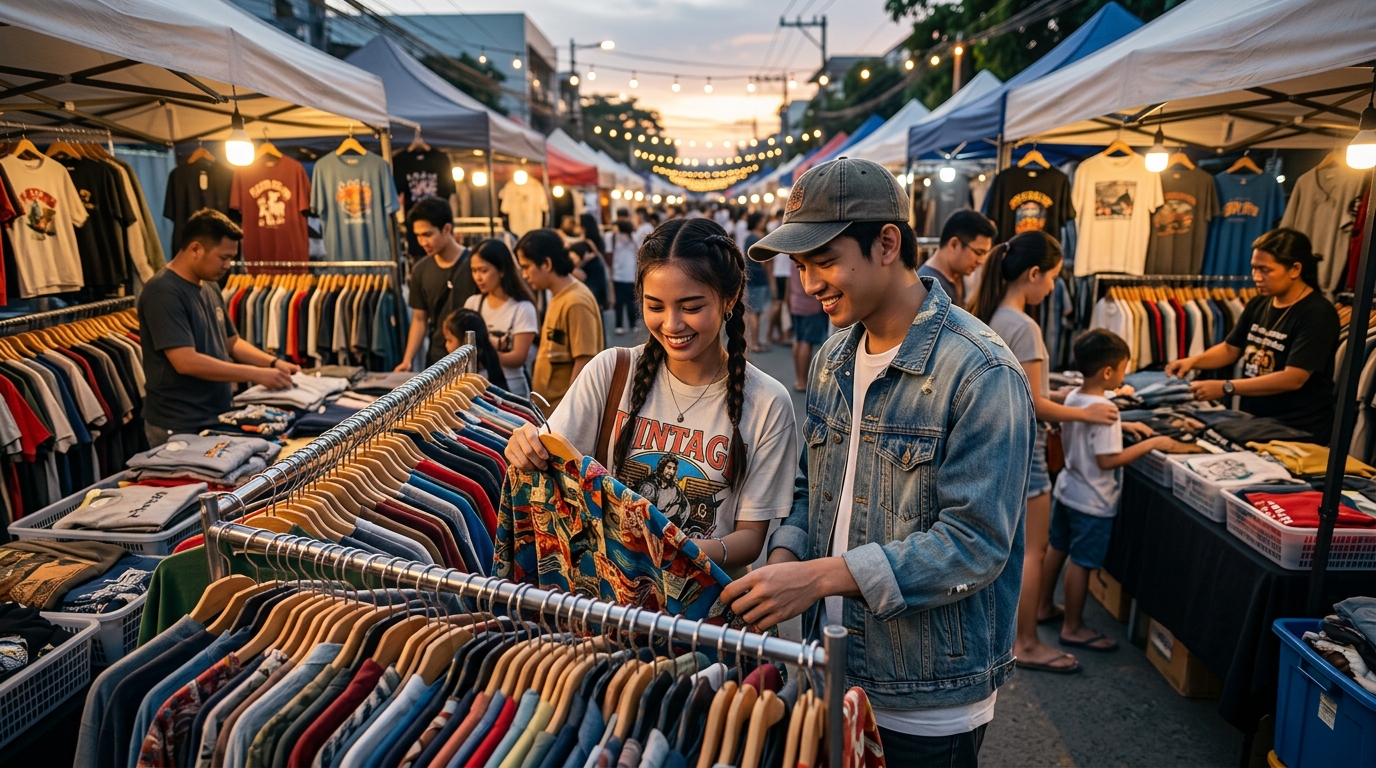
One of the defining characteristics of the Cogon area is the ongoing tension between organized indoor commerce and the vibrant informal economy on the streets. Various administrations have implemented "Operation Hapsay Dalan" (Orderly Road) to clear sidewalk vendors and improve traffic flow around the market's busy perimeter. While these efforts aim to make the area more navigable for vehicles, they also highlight the market's role as a critical survival hub for thousands of small-scale traders who rely on the foot traffic of the city's most crowded intersection.