PALAWAN — The synergy between religious institutions and economic cooperatives has emerged as a powerful engine for development in many Palawan communities. By leveraging the trust and structure provided by the church, these cooperatives are able to mobilize savings, provide affordable credit, and launch livelihood projects that directly improve the standard of living for members. This partnership creates a moral and practical framework that encourages financial responsibility and mutual support, turning communal participation into tangible prosperity. It represents a shift from traditional models toward a more integrated approach, where spiritual guidance meets the day-to-day realities of agricultural and small-business advancement.
Establishing Strong Roots For Financial Security And Local Growth
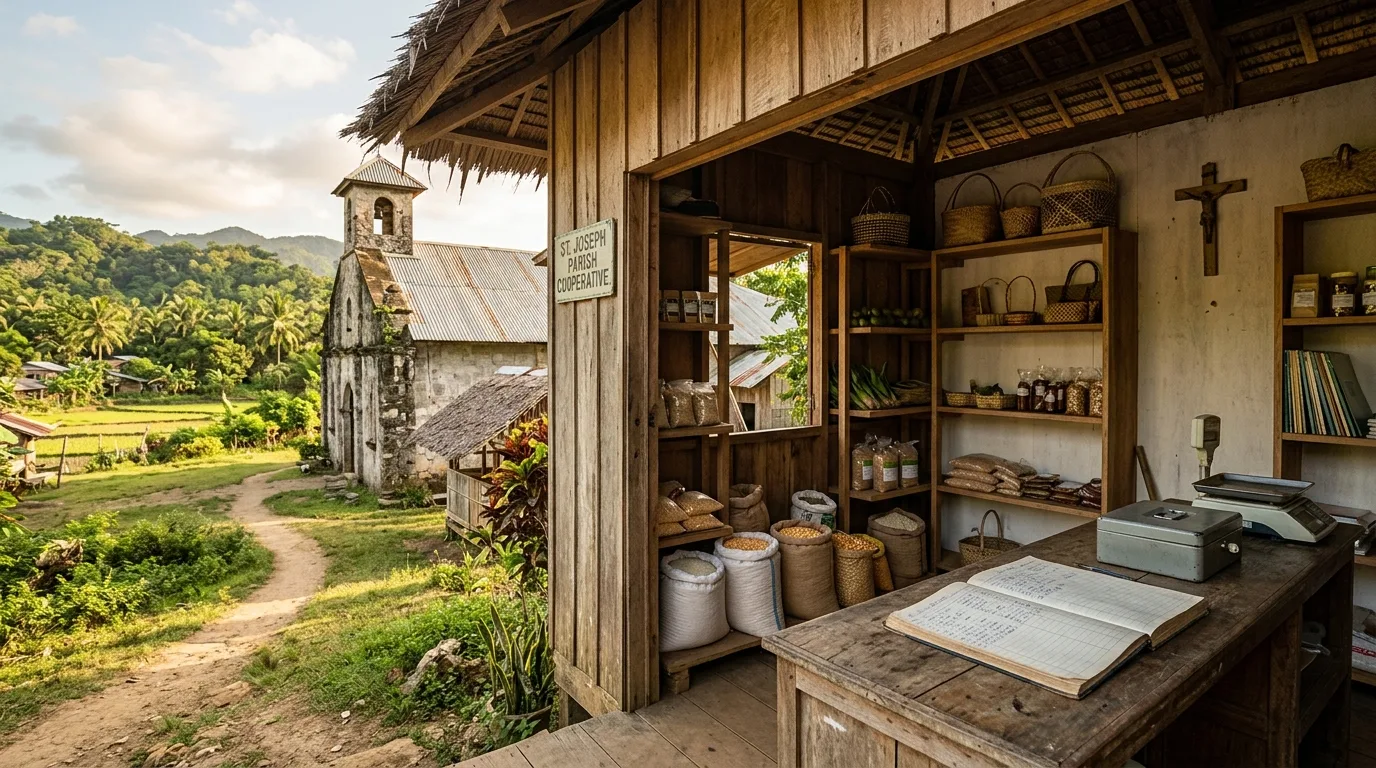
Church-based cooperatives often start with simple goals—helping members save money and providing a safety net for unexpected expenses. These groups quickly evolve into sophisticated financial hubs, offering low-interest loans for local farmers, entrepreneurs, and families looking to improve their homes or start micro-businesses. By operating within the church community, they maintain a high level of accountability and transparency, which is essential for the sustained growth of any financial cooperative. This structure allows members to access services that might otherwise be unavailable, such as capital for small stores, equipment for beach-side businesses, or even school fees for the youth. As these cooperatives grow, they become pillars of the regional economy, demonstrating the profound impact of collective financial action.
Connecting Spiritual Values With Tangible Community Livelihood Projects
The beauty of these cooperatives lies in their ability to translate the mission of the church into the tangible work of poverty alleviation. Beyond providing loans, many of these groups invest in training programs that teach members new skills in agriculture, food processing, and efficient household management. This investment in human capital ensures that the economic gains are sustainable and lead to a genuine improvement in the quality of life for all participants. Whether it is a cooperative bakery that serves the entire town or a bulk-buying network for essential goods, these initiatives help lower the cost of living while increasing communal income. This holistic approach ensures that faith becomes a source of empowerment, driving both individual success and broader neighborhood prosperity.
Scaling Up Cooperative Impact For Future Economic Self Sufficiency
As Palawan continues to expand its tourism and service-based industries, the role of these faith-based financial cooperatives becomes even more vital in bridging economic gaps. They serve as a stabilizing force, providing a counter-cyclical safety net during lean tourism seasons or fluctuating agricultural yields. Members are increasingly looking at how they can participate in larger investments, such as infrastructure or sustainable energy, which would further secure the collective wealth of the community. By continuously evolving and adapting to the needs of the time, these cooperatives ensure that their members remain resilient and competitive. This model of success serves as an inspiration for other regions to look toward their own local institutions for building a more self-reliant and prosperous community.